NVIDIA GeForce GT 720M

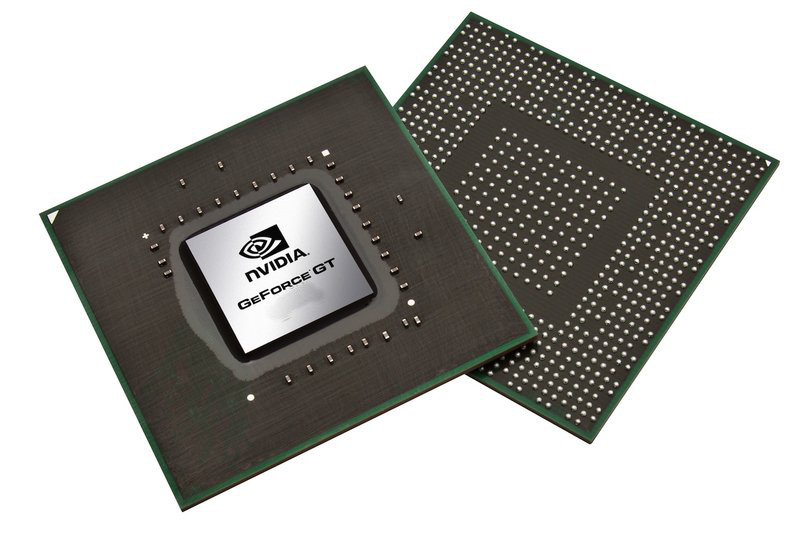
The NVIDIA GeForce GT 720M is an entry-level, DirectX 11 compatible graphics card that has been announced in spring 2013. Its core is based on the 28nm GF117 chip (Fermi architecture) with 64-bit DDR3 memory. Compared to the 710M, the GT 720M is clocked slightly higher.
Architecture
The GF117 is based on the optimized GF108 Fermi chip (GeForce GT 540M) and offers 96 shaders, 16 TMUs and 4 ROPs. Each shader core is clocked twice as fast as the rest of the graphics chip, a technique known as hot clocking. More detailed information on Fermi can be found on the GT 435M GPU page.
It should be noted that the GF117 does not offer dedicated graphic ports and can therefore only be used in conjunction with Optimus.

The GT 720M supports GPU Boost 2.0, which can automatically overclock the card if the laptop cooling system allows it. This feature is available on any notebook with a graphics card of the 700M series.
Performance
Depending on the clock rates, the 3D performance of the GeForce GT 720M is somewhat above the old GT 620M, but clearly below the GT 630M in most cases. This is due to the 64 bit memory interface, which limits the performance noticeably. In comparison to the competition, the 720M offers a performance similar to the HD Graphics 4400/4600 or Radeon HD 8570M. Overall, the card is placed in the lower performance segment. Current games (as of 2013) will run fluently only in low settings.

Features
The shader cores (also called CUDA cores) can be used for general calculations with APIs such as CUDA, DirectCompute 2.1 and OpenCL. PhysX is theoretically possible, but the GT 720M is too slow to handle both PhysX and 3D rendering in modern games. 3D Vision is not supported according to Nvidia.
Power consumption
The power consumption of the Geforce GT 720M should be relativly high (approximately 25 W), according to the high clock rates. As a result, the GPU is best suited for notebooks 14-15 inches in size or greater.
| Manufacturer | NVIDIA | |||||||||||||||||||||||||||
| GeForce GT 700M Series |
| |||||||||||||||||||||||||||
| Codename | N14M-GE | |||||||||||||||||||||||||||
| Architecture | Fermi | |||||||||||||||||||||||||||
| Pipelines | 96 - unified | |||||||||||||||||||||||||||
| Core Speed * | 625 - 938 (Boost) MHz | |||||||||||||||||||||||||||
| Shader Speed * | 1250 - 1876 MHz | |||||||||||||||||||||||||||
| Memory Speed * | 1800 - 2000 MHz | |||||||||||||||||||||||||||
| Memory Bus Width | 64 Bit | |||||||||||||||||||||||||||
| Memory Type | DDR3 | |||||||||||||||||||||||||||
| Max. Amount of Memory | 2048 MB | |||||||||||||||||||||||||||
| Shared Memory | no | |||||||||||||||||||||||||||
| DirectX | DirectX 11, Shader 5.0 | |||||||||||||||||||||||||||
| technology | 28 nm | |||||||||||||||||||||||||||
| Features | PhysX, Verde Drivers, CUDA, Play, Optimus, GPU Boost 2.0 | |||||||||||||||||||||||||||
| Notebook Size | medium sized | |||||||||||||||||||||||||||
| Date of Announcement | 01.04.2013 |
Benchmarks


Game Benchmarks
The following benchmarks stem from our benchmarks of review laptops. The performance depends on the used graphics memory, clock rate, processor, system settings, drivers, and operating systems. So the results don't have to be representative for all laptops with this GPU. For detailled information on the benchmark results, click on the fps number.
Metro: Last Light
2013Assassin´s Creed III
2012Total War: Shogun 2
2011Metro 2033
2010Resident Evil 5
2009World of Warcraft
2005For more games that might be playable and a list of all games and graphics cards visit our Gaming List
Notebook reviews with NVIDIA GeForce GT 720M graphics card
Asus F75VC-TY088H: Intel Core i3 2370M, 17.3", 3 kg
Review » Review Asus F75VC-TY088H Notebook
Lenovo B5400 MB825GE: Intel Core i5 4200M, 15.6", 2.4 kg
Review » Review Lenovo B5400 MB825GE Notebook
Lenovo G710 59397112: Intel Core i7 4702MQ, 17.3", 2.9 kg
Review » Review Lenovo G710 59397112 Notebook
Lenovo IdeaPad S500 Touch 59372927: Intel Core i5 3337U, 15.6", 2.3 kg
Review » Review Lenovo IdeaPad S500 Touch 59372927 Ultrabook
MSI CX61-i572M: Intel Core i5 4200M, 15.6", 2.5 kg
Review » Review MSI CX61-i572M281BW7 Notebook
Acer Aspire E1-472G: Intel Core i5 4200U, 14.0", 2.1 kg
External Review » Acer Aspire E1-472G
Acer Aspire V7-582P-74508G52tkk: Intel Core i7 4500U, 15.6", 2.2 kg
External Review » Acer Aspire V7-582P-74508G52tkk
Acer Aspire V7-582PG-54204G52T: Intel Core i5 4200U, 15.6", 2.2 kg
External Review » Acer Aspire V7-582PG-54204G52T
Asus X550CC-XO055H: Intel Core i5 3337U, 15.6", 2.2 kg
External Review » Asus X550CC-XO055H
Asus X550CC-XO164H: Intel Pentium 2117U, 15.6", 2.2 kg
External Review » Asus X550CC-XO164H
Asus X550CC-XO229D: Intel Core i3 3217U, 15.6", 2.3 kg
External Review » Asus X550CC-XO229D
Asus X550CC-XX066H: Intel Core i5 3337U, 15.6", 2.2 kg
External Review » Asus X550CC-XX066H
Asus X550VC: Intel Core i3 2348M, 15.6", 2.3 kg
External Review » Asus X550VC
Asus X75VC-TY014H: Intel Pentium 2020M, 17.3", 3 kg
External Review » Asus X75VC-TY014H
Asus X75VC-TY035H: Intel Core i5 3230M, 17.3", 3 kg
External Review » Asus X75VC-TY035H
Lenovo B5400 MB825GE: Intel Core i5 4200M, 15.6", 2.4 kg
External Review » Lenovo B5400 MB825GE
Lenovo B5400-MB82JGE: Intel Core i3 4000M, 15.6", 2.3 kg
External Review » Lenovo B5400-MB82JGE
Lenovo G700-59-377124: Intel Core i5 3230M, 17.3", 3 kg
External Review » Lenovo G700-59-377124
Lenovo G700-59377109: Intel Core i7 3612QM, 17.3", 2.9 kg
External Review » Lenovo G700-59377109


4 benchmarks and specifications