




AMD Radeon RX Vega 7 vs Intel Iris Xe Graphics G7 80EUs vs Intel Iris Xe Graphics G7 96EUs
AMD Radeon RX Vega 7
► remove from comparison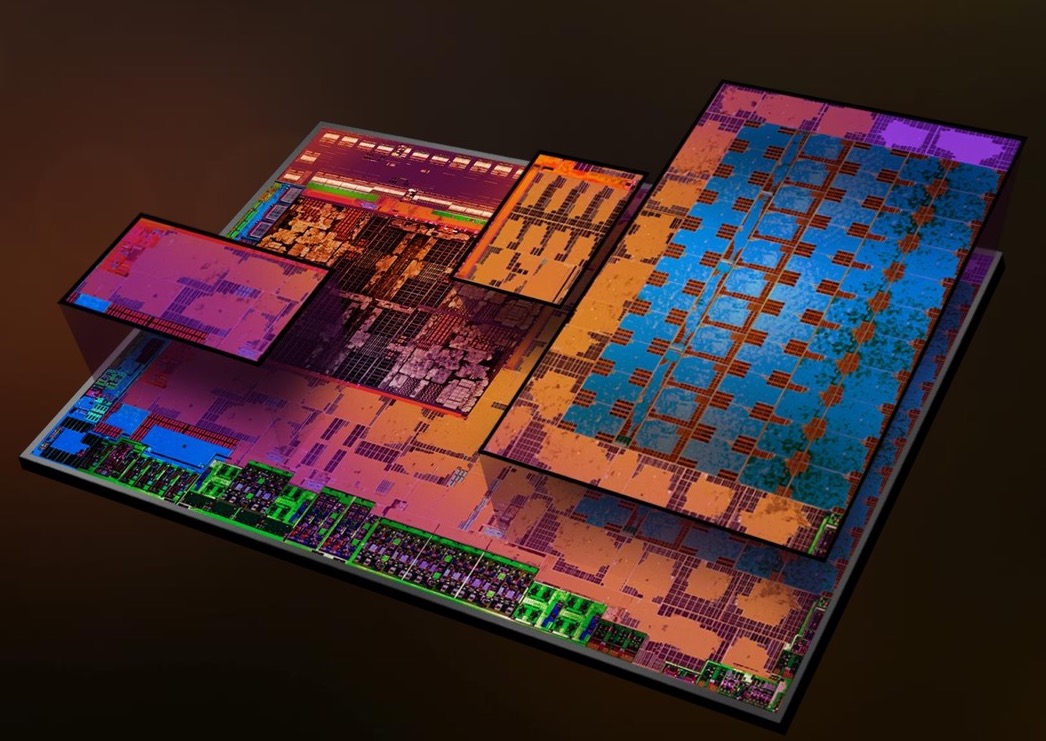
The AMD Radeon RX Vega 7 is an integrated GPU for notebooks. It is used in the Ryzen 4000 and Ryzen 5000 mobile APUs. The GPU is based on the Vega architecture (5th generation GCN) and has 7 CUs (= 448 shaders) clocked at up to 1,800 MHz. The iGPU's performance depends on the TDP of an APU (15, 35, 45 W or cTDP), the clocks, the cooling, and the memory configuration). The GPU should benefit from fast dual-channel DDR4-3200 RAM (contrary to DDR4-2133 single-channel, which is also possible).
The Vega architecture offers some improvements over the Polaris generation and now supports DirectX 12 Feature Level 12_1. More information is available in our dedicated article about the Raven Ridge architecture.
The performance should be slightly lower than the older RX Vega 8 GPU (1 CU more, but lower clock speed). That means, only some demanding games of 2019 will run in lowest detail settings. Less demanding games like Fifa 20 or Dirt Rally 2.0 should run in higher settings and 1920 x 1080.
Thanks to the 7 nm process and clever power-saving features, the power consumption is comparatively low (according to AMD), so the iGPU won't look out of place in a slimmer, lighter laptop.
Intel Iris Xe Graphics G7 80EUs
► remove from comparison
The Intel Xe Graphics G7 80EUs (Tiger-Lake U GPU with 80 EUs) is a integrated graphics card in the mid range Tiger-Lake U CPUs (15 - 28 Watt, e.g. Core i5 11th Gen CPUs). It is using the new Xe architecture (Gen12) and should be announced later in 2020.
The performance depends on the TDP settings of the laptop and the used cooling. First informations show that the chip can be configured at 15 and 28 Watt TDP default (as the Ice Lake-U chips) and the performance should be around a dedicated GeForce MX330 in 3DMark benchmarks. For gaming we are expecting a bit worse performance due to the missing dedicated graphics memory and driver support. Compared to the older Iris Plus G4 in Ice Lake chips, the Tiger Lake GPU should be nearly twice as fast. Benchmarks with various laptops show that the 80EU version lacks about 18% behind the faster 96EU version and on par with the MX330. Compared to AMD iGPUs, the G7 80EU positions itself around the Vega 7 and Vega 8 chips (see chart below for details).
Therefore, the iGPU is still only for lowest graphical settings and low resolutions in demanding games. Some modern games like Days Gone or Cyberpunk wont run over 30 fps in minimum settings (see below).
The Tiger Lake SoCs and therefore the integrated GPU are manufactured in the modern 10nm+ (10nm Superfin) process (improved 10nm process) at Intel and therefore should offer a very good efficiency.
Intel Iris Xe Graphics G7 96EUs
► remove from comparisonThe Intel Xe Graphics G7 (Tiger-Lake U GPU with 96 EUs) is a integrated graphics card in the high end Tiger-Lake U CPUs (15 - 28 Watt). It is using the new Xe architecture (Gen12) and was introduced in September 2020. The GPU clocks with a base clock speed (guaranteed) of 400 MHz in all CPUs and can boost up to 1340 MHz (i7-1185G7). The slowest variant offers only 1100 MHz boost (i5-1130G7, 12 Watt TDP).
The performance depends on the TDP settings of the laptop and the used cooling. First informations show that the chip can be configured at 12 and 28 Watt TDP default (as the Ice Lake-U chips) and the performance should be around a dedicated GeForce MX350 in 3DMark benchmarks. For gaming we are expecting a bit worse performance due to the missing dedicated graphics memory and driver support. Many games e.g. had problems when testing the various laptops (e.g. Horizon Zero Dawn or Cyberpunk 2077 did not start or were crashing - see list below). Less demanding games like the Mass Effect Legendary Edition ran in medium settings fine. Compared to the older Ice Lake Iris Plus G7 GPU, the new Tiger Lake GPU should be approximately twice as fast. Therefore, the iGPU is still only for lowest graphical settings and low resolutions in demanding games.
The Tiger Lake SoCs and therefore the integrated GPU are manufactured in the modern 10nm+ (10nm SuperFin) process (improved 10nm process) at Intel and therefore should offer a very good efficiency.
| AMD Radeon RX Vega 7 | Intel Iris Xe Graphics G7 80EUs | Intel Iris Xe Graphics G7 96EUs | |||||||||||||||||||||||||||||||||||||||||||||||||||||||||||||||||||
| Gen. 12 / Xe Series |
|
|
| ||||||||||||||||||||||||||||||||||||||||||||||||||||||||||||||||||
| Codename | Vega Raven Ridge | Tiger Lake Xe | Tiger Lake Xe | ||||||||||||||||||||||||||||||||||||||||||||||||||||||||||||||||||
| Architecture | Vega | Gen. 11 Ice Lake | Gen. 11 Ice Lake | ||||||||||||||||||||||||||||||||||||||||||||||||||||||||||||||||||
| Pipelines | 448 - unified | 80 - unified | 96 - unified | ||||||||||||||||||||||||||||||||||||||||||||||||||||||||||||||||||
| Core Speed | 1800 (Boost) MHz | 400 - 1350 (Boost) MHz | 400 - 1350 (Boost) MHz | ||||||||||||||||||||||||||||||||||||||||||||||||||||||||||||||||||
| Shared Memory | no | yes | yes | ||||||||||||||||||||||||||||||||||||||||||||||||||||||||||||||||||
| API | DirectX 12_1 | DirectX 12_1, OpenGL 4.6 | DirectX 12_1, OpenGL 4.6 | ||||||||||||||||||||||||||||||||||||||||||||||||||||||||||||||||||
| Power Consumption | 15 Watt | 28 Watt | 28 Watt | ||||||||||||||||||||||||||||||||||||||||||||||||||||||||||||||||||
| technology | 7 nm | 10 nm | 10 nm | ||||||||||||||||||||||||||||||||||||||||||||||||||||||||||||||||||
| Features | Tiled Rasterization, Shared Memory (up to Dual-Channel DDR4-2400) | QuickSync | QuickSync | ||||||||||||||||||||||||||||||||||||||||||||||||||||||||||||||||||
| Date of Announcement | 07.01.2020 | 15.08.2020 | 15.08.2020 |
|
|
| ||||||||||||||||||||||||||||||||||||||||||||||||||||||||||||||||||||||||||||||||||||||||||||||||||||||||||||||||||||||||||||||||||||||||||||||||||||||||||||||||||||||||||||||||||||||||||||||||||||||||||||||||||||||||||||||||||||||||||||||||||||||||||||||||||||||||||||||||||||||||||||||||||||||||||||||||||||||||||||||||||||||||||||||||||||||||
Benchmarks
| Model | CPU | GPU | RAM | Value |
|---|---|---|---|---|
| Ninkear M7, (16+512) Vulkan | R5 7430U 25 W / 25 W | Vega 7 | 16 GB | 130 |
| Ninkear M7, (16+512) DX12 | R5 7430U 25 W / 25 W | Vega 7 | 16 GB | 135 |
| Model | CPU | GPU | RAM | Value |
|---|---|---|---|---|
| Acer Aspire Go AG15-51P-56UR DX12 | i5-1334U | Iris Xe G7 80EUs | 16 GB | 141 |
| Acer Aspire Go AG15-51P-56UR Vulkan | i5-1334U | Iris Xe G7 80EUs | 16 GB | 169 |
| Model | CPU | GPU | RAM | Value |
|---|---|---|---|---|
| BMAX B9 Power DX12 | i9-12900HK 55 W / 45 W | Iris Xe G7 96EUs | 32 GB | 165 |
| Alliwava GH9, i9-12900HK DX12 | i9-12900HK 60 W / 45 W | Iris Xe G7 96EUs | 32 GB | 180 |
| Geekom XT13 Pro DX12 | i9-13900H | Iris Xe G7 96EUs | 32 GB | 183 |
| Geekom GT13 Pro DX12 | i9-13900H 64 W / 35 W | Iris Xe G7 96EUs 1500 MHz | 32 GB | 186 |
| BMAX B9 Power Vulkan | i9-12900HK 55 W / 45 W | Iris Xe G7 96EUs | 32 GB | 212 |
| Alliwava GH9, i9-12900HK Vulkan | i9-12900HK 60 W / 45 W | Iris Xe G7 96EUs | 32 GB | 221 |
| Model | CPU | GPU | RAM | Value |
|---|---|---|---|---|
| Acer Aspire Go AG15-51P-56UR DX12 | i5-1334U | Iris Xe G7 80EUs | 16 GB | 1019 |
| Acer Aspire Go AG15-51P-56UR Vulkan | i5-1334U | Iris Xe G7 80EUs | 16 GB | 1184 |
| Xiaomi RedmiBook 14 2025 | Core 5 220H 43 W / 32 W | Iris Xe G7 80EUs 1500 MHz | 32 GB | 1201 |
| Model | CPU | GPU | RAM | Value |
|---|---|---|---|---|
| Geekom XT13 Pro DX12 | i9-13900H | Iris Xe G7 96EUs | 32 GB | 1276 |
| Geekom GT13 Pro DX12 | i9-13900H 64 W / 35 W | Iris Xe G7 96EUs 1500 MHz | 32 GB | 1283 |
| Model | CPU | GPU | RAM | Value |
|---|---|---|---|---|
| Dynabook Satellite Pro C50D-B-115 | R5 5600U 28 W / 12 W | Vega 7 1800 MHz | 8 GB | 3251 |
| Asus VivoBook 15 KM513UA-L503TS | R5 5500U 40 W / 25 W | Vega 7 1800 / 1600 MHz | 8 GB | 5887 |
| Lenovo IdeaPad 5 14ALC05 82LM005YGE | R5 5500U 48 W / 37.5 W | Vega 7 1800 MHz | 16 GB | 5964 |
| Lenovo Yoga Slim 7 14ARE05 82A20008GE | R7 4700U 48 W / 37.5 W | Vega 7 1600 MHz | 16 GB | 6999 |
| Asus VivoBook 15X OLED M3504YA | R5 7530U 42 W / 37.5 W | Vega 7 | 16 GB | 7075 |
| Model | CPU | GPU | RAM | Value |
|---|---|---|---|---|
| Acer Extensa 15 EX215-54-5103 | i5-1135G7 64 W / 28 W | Iris Xe G7 80EUs 1300 MHz | 8 GB | 5244 |
| Acer TravelMate P4 TMP414-51-59MR | i5-1135G7 64 W / 28 W | Iris Xe G7 80EUs 1300 MHz | 8 GB | 5420 |
| Lenovo ThinkPad L14 G4 21H1003DGE | i5-1335U 45 W / 15 W | Iris Xe G7 80EUs | 16 GB | 6428 |
| Lenovo Yoga Slim 7 14ITL05 82A300CNGE | i5-1135G7 36 W / 25 W | Iris Xe G7 80EUs 1300 / 2000 MHz | 8 GB | 7252 |
| Lenovo IdeaPad Gaming Chromebook 16 | i5-1235U | Iris Xe G7 80EUs | 8 GB | 8289 |
| Acer TravelMate P4 TMP414-51-59MR Dual-Channel | i5-1135G7 | Iris Xe G7 80EUs 1300 / 1200 MHz | 16 GB | 9325 |
| HP Pavilion x360 14-dy0157ng | i5-1135G7 51 W / 20 W | Iris Xe G7 80EUs 1300 / 2000 MHz | 16 GB | 9925 |
| HP Pavilion x360 15-er0155ng | i5-1135G7 51 W / 20 W | Iris Xe G7 80EUs 1300 MHz | 16 GB | 9969 |
| Microsoft Surface Pro 7 Plus | i5-1135G7 60 W / 30 W | Iris Xe G7 80EUs 1300 MHz | 16 GB | 11404 |
| Model | CPU | GPU | RAM | Value |
|---|---|---|---|---|
| Asus ExpertBook B7 Flip B7402FEA | i7-1195G7 51 W / 35 W | Iris Xe G7 96EUs 1400 MHz | 16 GB | 8379 |
| Lenovo ThinkBook 14s Yoga ITL 20WE0023GE | i7-1165G7 44 W / 20 W | Iris Xe G7 96EUs 1300 MHz | 16 GB | 8382 |
| Dell Inspiron 15 3501 | i7-1165G7 51 W / 22 W | Iris Xe G7 96EUs 1300 / 1000 MHz | 16 GB | 8501 |
| Xiaomi Mi NoteBook Pro | i7-11370H 64 W / 28 W | Iris Xe G7 96EUs | 16 GB | 9548 |
| HP Spectre x360 14-ea0378ng | i7-1165G7 51 W / 30 W | Iris Xe G7 96EUs 1300 MHz | 16 GB | 10806 |
| Dynabook Portégé X30W-J-10K | i7-1165G7 @4.7 GHz 60 W / 28 W | Iris Xe G7 96EUs 1300 / 2000 MHz | 16 GB | 12132 |
| HP Spectre x360 14-ea0378ng Leistung | i7-1165G7 51 W / 30 W | Iris Xe G7 96EUs 1300 MHz | 16 GB | 12895 |
| LG Gram 16 (2021) | i7-1165G7 60 W / 30 W | Iris Xe G7 96EUs 1300 MHz 1.6 GB | 16 GB | 13415 |
| Huawei MateBook 16s i7 | i7-12700H 96 W / 54 W | Iris Xe G7 96EUs 1400 / 2400 MHz | 16 GB | 14228 |
| Huawei MateBook D 16 2022 | i7-12700H 64 W / 35 W | Iris Xe G7 96EUs 1400 / 1867 MHz | 16 GB | 14527 |
| Model | CPU | GPU | RAM | Value |
|---|---|---|---|---|
| Dynabook Satellite Pro C50D-B-115 | R5 5600U 28 W / 12 W | Vega 7 1800 MHz | 8 GB | 890 |
Acer Swift 3 SF314-42-R9YN  | R7 4700U 29.8 W / 18 W | Vega 7 1600 / 1600 MHz | 8 GB | 1726 |
| Asus VivoBook 15 KM513UA-L503TS | R5 5500U 40 W / 25 W | Vega 7 1800 / 1600 MHz | 8 GB | 1765 |
| Dell Inspiron 14 5425 6VPKR | R5 5625U 33 W / 28 W | Vega 7 1800 MHz | 16 GB | 1887 |
| Asus VivoBook 15X OLED M3504YA | R5 7530U 42 W / 37.5 W | Vega 7 | 16 GB | 1993 |
| Huawei MateBook 14 2021 AMD | R5 5500U 46 W / 37 W | Vega 7 ? / 1600 MHz | 16 GB | 2000 |
| Lenovo ThinkBook 16 G6 ABP | R5 7530U 48 W / 38 W | Vega 7 2000 / 1600 MHz | 16 GB | 2012 |
| Lenovo IdeaPad 5 14ALC05 82LM005YGE | R5 5500U 48 W / 37.5 W | Vega 7 1800 MHz | 16 GB | 2074 |
| Honor MagicBook 16 2022 | R5 5600H 65 W / 54 W | Vega 7 1800 / 1600 MHz | 16 GB | 2088 |
| Lenovo IdeaPad Flex 5 14ABR G8 | R5 7530U | Vega 7 | 16 GB | 2276 |
| GPU TDP ? | TDP 11 W | TDP 28 W |
|---|---|---|
| 75% | 100% | 96% |
| GPU TDP ? | TDP 8 W | TDP 11 W | TDP 12 W | TDP 13 W | TDP 28 W |
|---|---|---|---|---|---|
| 78% | 100% | 85% | 98% | 65% | 82% |
| GPU TDP ? | TDP 11 W | TDP 28 W |
|---|---|---|
| 76% | 100% | 100% |
| GPU TDP ? | TDP 8 W | TDP 11 W | TDP 12 W | TDP 13 W | TDP 28 W |
|---|---|---|---|---|---|
| 77% | 100% | 84% | 95% | 66% | 84% |
| GPU TDP ? | TDP 11 W | TDP 28 W |
|---|---|---|
| 84% | 100% | 100% |
| GPU TDP ? | TDP 8 W | TDP 11 W | TDP 12 W | TDP 13 W | TDP 28 W |
|---|---|---|---|---|---|
| 83% | 100% | 83% | 98% | 74% | 84% |
| GPU TDP ? | TDP 11 W | TDP 28 W |
|---|---|---|
| 82% | 98% | 100% |
| GPU TDP ? | TDP 8 W | TDP 11 W | TDP 12 W | TDP 13 W | TDP 28 W |
|---|---|---|---|---|---|
| 82% | 100% | 82% | 97% | 72% | 84% |
| GPU TDP ? | TDP 11 W |
|---|---|
| 91% | 100% |