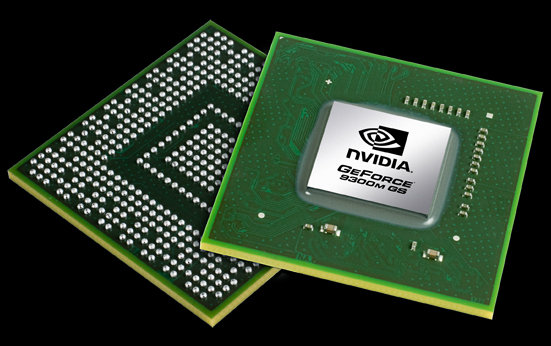
Notebook reviews with NVIDIA GeForce 9300M GS graphics card
Review Asus F70SL Notebook
Multimedia in 17.3 inches. The 17.3 inch Asus F70SL tries to appeal to the broad mass of final consumers in a metaphorical fancy dress. Apart from this, it aligns itself in the starter multimedia range with an Nvidia Geforce 9300M GS and tries to score with its multimedia features and a high resolution. Read here, about how the notebook has complied with our test criteria.
Intel Core 2 Duo T5900, NVIDIA GeForce 9300M GS, 17.3", 3.8 kg
Review Lenovo Thinkpad SL500 Notebook
Thinkpad for Everyone. Lenovo intends to attract attention of the very big number of potential customers in the low price category by the launch of the Thinkpad SL series. Thereby, the SL models should offer the successful Thinkpad qualities at an attractive entry level price, which makes it affordable for everyone. Overall, the SL series approaches the consumer sector.
Intel Core 2 Duo P8400, NVIDIA GeForce 9300M GS, 15.4", 2.9 kg
Review: Lenovo Thinkpad SL400 Notebook
New in Business. Right on time for the launch of the new Intel Montevina Platform, Lenovo uncovers its brand new product range. While the T, R and X series are full of familiar faces, the SL models reveal an entirely new product, that should strengthen Lenovo's position in the entry level business sector. Equipped with many of the tried and true Thinkpad features, these new noteboks will probably appeal most to price conscious business and private customers.
Intel Core 2 Duo P8400, NVIDIA GeForce 9300M GS, 14.1", 2.6 kgSony Vaio VGN-Z21VN/X: Intel Core 2 Duo P9500, 13.10", 1.5 kg
External Review » Sony Vaio VGN-Z21VN/X
Sony Vaio VGN-Z51MRG/B: Intel Core 2 Duo P8700, 13.10", 1.5 kg
External Review » Sony Vaio VGN-Z51MRG/B
Sony Vaio VGN-Z790: Intel Core 2 Duo P8800, 13.10", 1.5 kg
External Review » Sony Vaio VGN-Z790
Sony Vaio VGN-Z890: Intel Core 2 Duo P8800, 13.10", 1.5 kg
External Review » Sony Vaio VGN-Z890
Sony Vaio VGN-Z31ZN: Intel Core 2 Duo P9600, 13.10", 1.5 kg
External Review » Sony Vaio VGN-Z31ZN
Sony Vaio VGN-Z41MD/B: Intel Core 2 Duo P8700, 13.10", 1.5 kg
External Review » Sony Vaio VGN-Z41MD/B
Sony VAIO VGN-Z31MN/B: Intel Core 2 Duo P8600, 13.10", 1.5 kg
External Review » Sony VAIO VGN-Z31MN/B
Hi-Grade Notino D8000: Intel Core 2 Duo P8600, 15.40", 2.7 kg
External Review » Hi-Grade Notino D8000
Sony Vaio VGN-AW21M/H: Intel Core 2 Duo P8600, 18.40", 3.6 kg
External Review » Sony Vaio VGN-AW21M/H
Asus F70SL: Intel Core 2 Duo T6400, 17.30", 3.9 kg
External Review » Asus F70SL
Sony VAIO VGN-Z31VN/X: Intel Core 2 Duo P9600, 13.10", 1.5 kg
External Review » Sony VAIO VGN-Z31VN/X
Asus UV6: Intel Core 2 Duo P8600, 12.10", 1.9 kg
External Review » Asus UV6
Asus F70Sl: Intel Core 2 Duo T5900, 17.30", 3.8 kg
External Review » Asus F70SL
MSI Megabook PX600: Intel Core 2 Duo P8600, 15.40", 3 kg
External Review » MSI Megabook PX600
Novatech X60MV: Intel Core 2 Duo T6400, 17.00", 2.9 kg
External Review » Novatech X60MV
Asus N50V: Intel Core 2 Duo P8600, 15.40", 2.9 kg
External Review » Asus N50V
Samsung E172 Aura T5800: Intel Core 2 Duo T5800, 17.00", 3.2 kg
External Review » Samsung E172 Aura T5800
HP Pavilion dv3550eg: Intel Core 2 Duo P7350, 13.30", 1.9 kg
External Review » HP Pavilion dv3550eg
Sony Vaio VGN-Z598U: Intel Core 2 Duo P9500, 13.10", 2 kg
External Review » Sony Vaio VGN-Z598U
Sony Vaio VGN-Z21ZN/X: Intel Core 2 Duo P9500, 13.10", 1.5 kg
External Review » Sony Vaio VGN-Z21ZN/X
Sony Vaio VGN-Z590 : Intel Core 2 Duo P9500, 13.10", 1.5 kg
External Review » Sony Vaio VGN-Z590
Sony Vaio VGN-Z11XN: Intel Core 2 Duo P8600, 13.10", 1.5 kg
External Review » Sony Vaio VGN-Z11XN
Asus X83VB: Intel Core 2 Duo T5800, 14.10", 2.6 kg
External Review » Asus X83VB
Asus N80VC: Intel Core 2 Duo T5800, 14.10", 2.6 kg
External Review » Asus N80VC
Sony Vaio VGN-Z21MN/B : Intel Core 2 Duo P8600, 13.10", 1.5 kg
External Review » Sony Vaio VGN-Z21MN/B
Sony Vaio VGN-CS11S/Q : Intel Core 2 Duo P8400, 14.10", 2.6 kg
External Review » Sony VAIO VGN-CS11S/Q
Asus N10J: Intel Atom N270, 10.20", 1.8 kg
External Review » Asus N10J
Sony Vaio VGN-Z11MN/B: Intel Core 2 Duo P8400, 13.10", 1.5 kg
External Review » Sony Vaio VGN Z11MN/B
Acer Extensa 7620Z: Intel Core 2 Duo P8400, 15.40", 3.1 kg
External Review » Acer Extensa 7620Z
Sony Vaio VGN-Z17GN : Intel Core 2 Duo P9500, 13.10", 1.5 kg
External Review » Sony Vaio VGN-Z17GN
Sony Vaio VGN-CS11Z/R: Intel Core 2 Duo P8400, 14.10", 2.6 kg
External Review » Sony Vaio VGN-CS11Z/R
Sony Vaio VGN-Z11WN: Intel Core 2 Duo P8600, 13.10", 1.5 kg
External Review » Sony Vaio VGN-Z11WN
Sony Vaio VGN-AW11M/H: Intel Core 2 Duo P8400, 18.40", 3.8 kg
External Review » Sony Vaio VGN-AW11M/H
Sony Vaio VGN-Z530N : Intel Core 2 Duo P8600, 13.10", 1.5 kg
External Review » Sony Vaio VGN-Z530N
Fujitsu-Siemens Amilo Pi 3540: Intel Core 2 Duo P8600, 15.40", 3 kg
External Review » Fujitsu-Siemens Amilo Pi 3540
Asus U6V: Intel Core 2 Duo P8400, 12.10", 1.6 kg
External Review » Asus U6V
Samsung R710: Intel Core 2 Duo P8400, 17.00", 3.2 kg
External Review » Samsung R710
Sony Vaio VGN-Z11VN: Intel Core 2 Duo P9500, 13.30", 1.5 kg
External Review » Sony Vaio VGN-Z11VN
Lenovo Thinkpad SL500: Intel Core 2 Duo P8400, 15.40", 2.9 kg
External Review » Lenovo Thinkpad SL500
HP TouchSmart IQ506: Intel Core 2 Duo T5850, 22.00", 10.8 kg
External Review » HP TouchSmart IQ506






 - Average benchmark values



 Add as a preferred source on Google


