Nvidia RTX Spark N1x 675

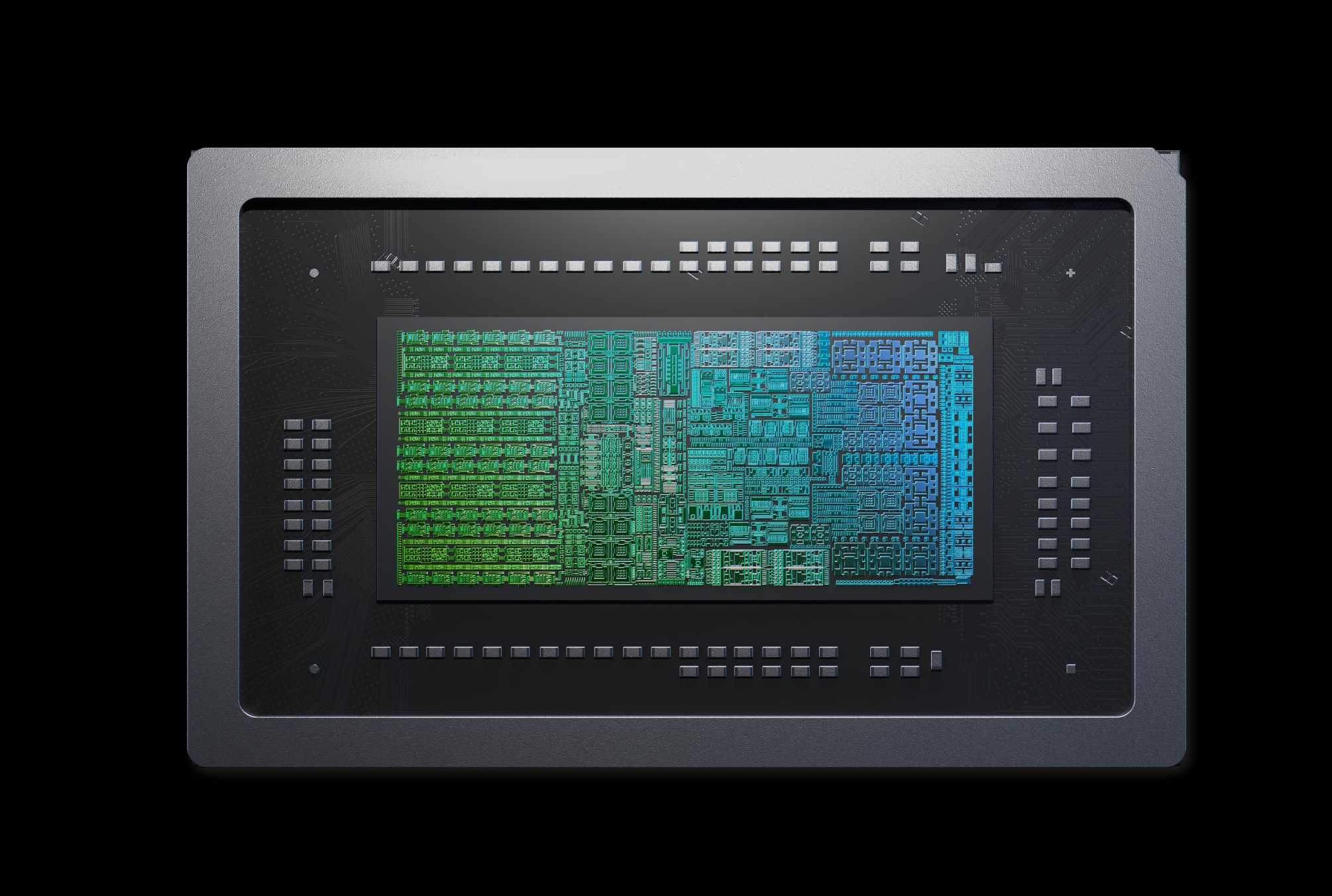
The Nvidia RTX Spark is a high-end SoC (system-on-a-chip) for laptops, introduced in 2026. It is Nvidia's first true notebook chip for Windows on ARM and is positioned as a direct response to Apple's M5 Pro and M5 Max. The chip combines a CPU based on the ARMv9 architecture with a fully fledged integrated RTX graphics unit primarily intended for AI tasks.
The RTX Spark first appeared in premium multimedia laptops such as the Asus ProArt P16. The SoC uses a unified memory architecture (LPDDR6x), allowing the CPU, GPU and NPU to access a shared memory pool of up to 128 GB. This offers enormous advantages, particularly for video editing and running large AI models.
Architecture and Features
The RTX Spark's CPU is supplied by MediaTek and consists of 20 cores in two clusters. The performance cluster uses ARM Cortex-X925 cores, introduced by ARM in 2024, running at clock speeds of up to 4 GHz. Ten smaller ARM Cortex-A725 cores running at up to 2.8 GHz handle less demanding tasks.
Performance
The Nvidia RTX Spark delivers impressive performance in synthetic benchmarks. In Cinebench R24 and Geekbench 6, the chip is on par with the Apple M5 Pro in multi-core performance and even comes dangerously close to the Apple M5 Max under sustained load.
In single-core performance, the ARM-based Spark narrowly trails the top models from Intel (Core Ultra 9) and Apple (M5 series), but makes up for this with extremely high efficiency in multithreaded tasks. Thanks to x86 emulation under Windows 11 on ARM, even older programs run smoothly, although performance is around 10 to 15 percent lower than with native apps.
Graphics Unit (iGPU)
The real star of the SoC is the integrated NVIDIA Blackwell RTX GPU. Based on the Blackwell notebook architecture, it offers performance on par with a dedicated mobile RTX 4070 despite being integrated directly into the SoC. It benefits enormously from unified memory bandwidth of up to 400 GB/s and supports all modern Nvidia features, such as DLSS 4, Frame Generation and advanced hardware ray tracing. In multimedia laptops such as the ProArt P16, this makes dedicated graphics cards practically unnecessary and revolutionizes creator laptop form factors.
Power Consumption (TDP)
Nvidia has the RTX Spark manufactured by TSMC using the modern 3 nm process (N2). Power consumption (TDP) is dynamic and depends heavily on the laptop's cooling system. The cTDP (configurable TDP) range extends from 45 watts to 95 watts (PL2).
| Codename | Spark |
| Clock Rate | 1500 - 4000 MHz |
| Level 1 Cache | 2.5 MB |
| Level 2 Cache | 25 MB |
| Level 3 Cache | 24 MB |
| Number of Cores / Threads | 20 / 20 10 x 4.0 GHz ARM Cortex-X925 10 x 2.8 GHz ARM Cortex-A725 |
| Transistor Count | 70000 Million |
| Manufacturing Technology | 3 nm |
| Die Size | 382 mm2 |
| GPU | NVIDIA RTX Spark N1X 6144-Core Blackwell GPU ( - 2535 MHz) |
| 64 Bit | 64 Bit support |
| Architecture | ARM |
| Announcement Date | 10/15/2026 |
| Product Link (external) | www.nvidia.com |
Benchmarks
* Smaller numbers mean a higher performance
Reviews for the Nvidia RTX Spark N1x 675 processor


Nvidia RTX Spark Analysis - Finally an answer to Apple's M5 Pro & M5 Max?

Nvidia RTX Spark Analysis - Finally an answer to Apple's M5 Pro & M5 Max?
Asus ProArt P16 H7607: NVIDIA RTX Spark N1X 6144-Core Blackwell GPU, 16.00", 1.8 kg
» Nvidia RTX Spark - The future of gaming laptops?
MS Surface Laptop Ultra Pre-Sample: , 0.00"
» Microsoft offers MacBook Pro owners up to $1,000 to switch to Surface Laptop Ultra