




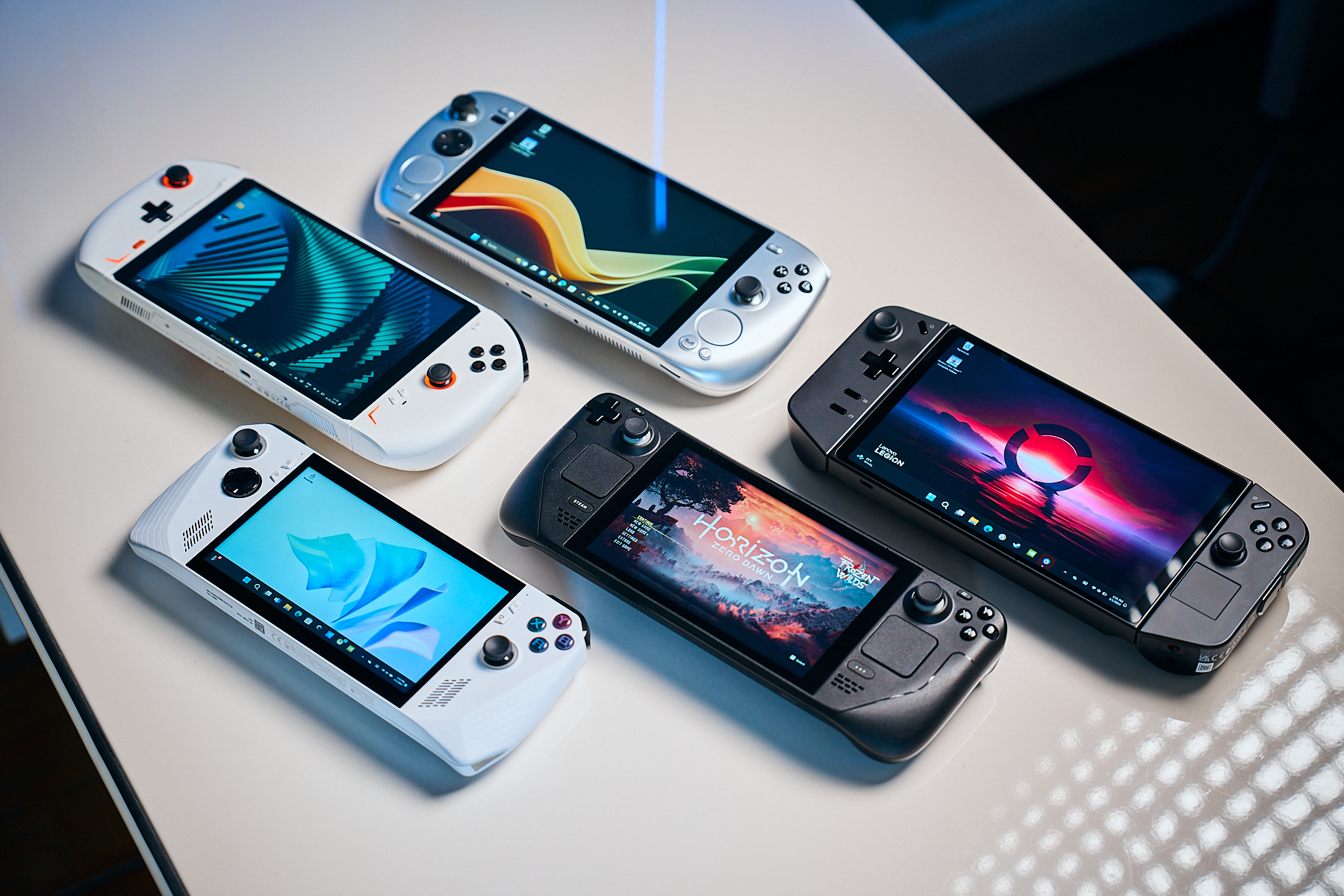
Gaming handhelds are portable mini-PCs designed for playing video games. They combine a classic PC's compatibility with gaming-specific features found in portable gaming consoles. Just like a laptop or tablet, they have an integrated display as well as a battery which supplies the device with power when you're out and about. Designed to be ultra-mobile, they possess a processor and graphics chip with particularly low energy requirements. In most cases, integrated graphics solutions are employed. The performance achieved is sufficient for smooth gameplay in FHD and even QHD, with the right settings.
These little machines normally come without a conventional keyboard and, instead, players are offered a set of joysticks and buttons similar to a gaming controller. This means games can be played directly on the console without the need for additional input devices. Usually, a touchscreen is also onboard for entering text and interacting with the device. Since these handhelds normally run Windows, you can also use various productivity software and, after connecting external input devices and a monitor, office use also becomes a reality.
In the following overview, we list the highest-rated gaming handhelds we have reviewed recently. Detailed reviews are linked as appropriate.
Best gaming handheld PCs to buy in Q2 2026
Image | Model / Review | Price | Display | Weight | Dimensions |
|---|---|---|---|---|---|
1. 85.9%  | Asus ROG Xbox Ally X AMD Ryzen Z2 Extreme ⎘ AMD Radeon 890M ⎘ 24 GB Memory, 1024 GB SSD | List Price: 899€ | 7.00" 1920x1080 315 PPI IPS | 718 g | 121 x 290 x 50.9 mm |
2. 84.7%  | MSI Claw 8 AI+ Intel Core Ultra 7 258V ⎘ Intel Arc Graphics 140V ⎘ 32 GB Memory, 512 GB SSD | List Price: 999€ | 8.00" 1920x1200 283 PPI IPS | 793 g | 126 x 299 x 30 mm |
3. 83.1%  | MSI Claw A8 BZ2EM AMD Ryzen Z2 Extreme ⎘ AMD Radeon 890M ⎘ 24 GB Memory, 1024 GB SSD | List Price: 999€ | 8.00" 1920x1200 283 PPI IPS | 765 g | 126.2 x 299.5 x 24 mm |
4. 82.8% 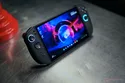 | Lenovo Legion Go 2 AMD Ryzen Z2 Extreme ⎘ AMD Radeon 890M ⎘ 32 GB Memory, 1024 GB SSD | Amazon: 1. $1,299.00 Lenovo Legion Go 2 – Mobil... 2. $1,899.00 Lenovo Legion Go 2 Gaming Ha... 3. Lenovo Legion Go Gen 2 Flags... List Price: 1500€ | 8.80" 1920x1200 257 PPI OLED | 922 g | 136.7 x 295.6 x 42.25 mm |
5. 82% 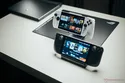 | Asus ROG Xbox Ally AMD Ryzen Z2 A ⎘ AMD Radeon Steam Deck 8CU ⎘ 16 GB Memory, 512 GB SSD | List Price: 599€ | 7.00" 1920x1080 315 PPI IPS | 670 g | 121 x 290 x 5.1 mm |
6. 81.7%  | Lenovo Legion Go S SteamOS AMD Ryzen Z2 Go ⎘ AMD Radeon 680M ⎘ 32 GB Memory | List Price: 749€ | 8.00" 1920x1200 283 PPI IPS | 736 g | 128 x 299 x 42 mm |
7. 81.6%  | ONEXPLAYER X1 Pro GA15H AMD Ryzen AI 9 HX 370 ⎘ AMD Radeon 890M ⎘ 32 GB Memory, 1000 GB SSD | Amazon: $1,839.00 | 10.95" 2560x1600 276 PPI IPS | 928 g | 164 x 253 x 15 mm |
8. 80.2%  | GPD Pocket 4 AMD Ryzen AI 9 HX 370 ⎘ AMD Radeon 890M ⎘ 32 GB Memory | Amazon: $1,475.95 List Price: 1400 USD | 8.80" 2560x1600 343 PPI IPS | 777 g | 144.5 x 206.8 x 22.2 mm |
9. 79.3% 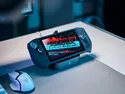 | Zotac ZGC-G1A1W-01 AMD Ryzen 7 8840U ⎘ AMD Radeon 780M ⎘ 16 GB Memory, 512 GB SSD | Amazon: | 7.00" 1920x1080 315 PPI OLED | 692 g | 115 x 285 x 35 mm |
10. 78.2% 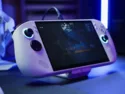 | Lenovo Legion Go S AMD Ryzen Z2 Go ⎘ AMD Radeon 680M ⎘ 16 GB Memory, 512 GB SSD | List Price: 700€ | 8.00" 1920x1200 283 PPI IPS-Grade | 738 g | 127 x 299 x 22.6 mm |
The table above is an overview of the best handhelds for gamers tested by Notebookcheck. If two products happen to share a review rating, the more recent review is ranked higher. The prices shown in the table are automatically updated daily and may vary over time.
Link: all tested devices in this class
1st place - Asus ROG Xbox Ally X
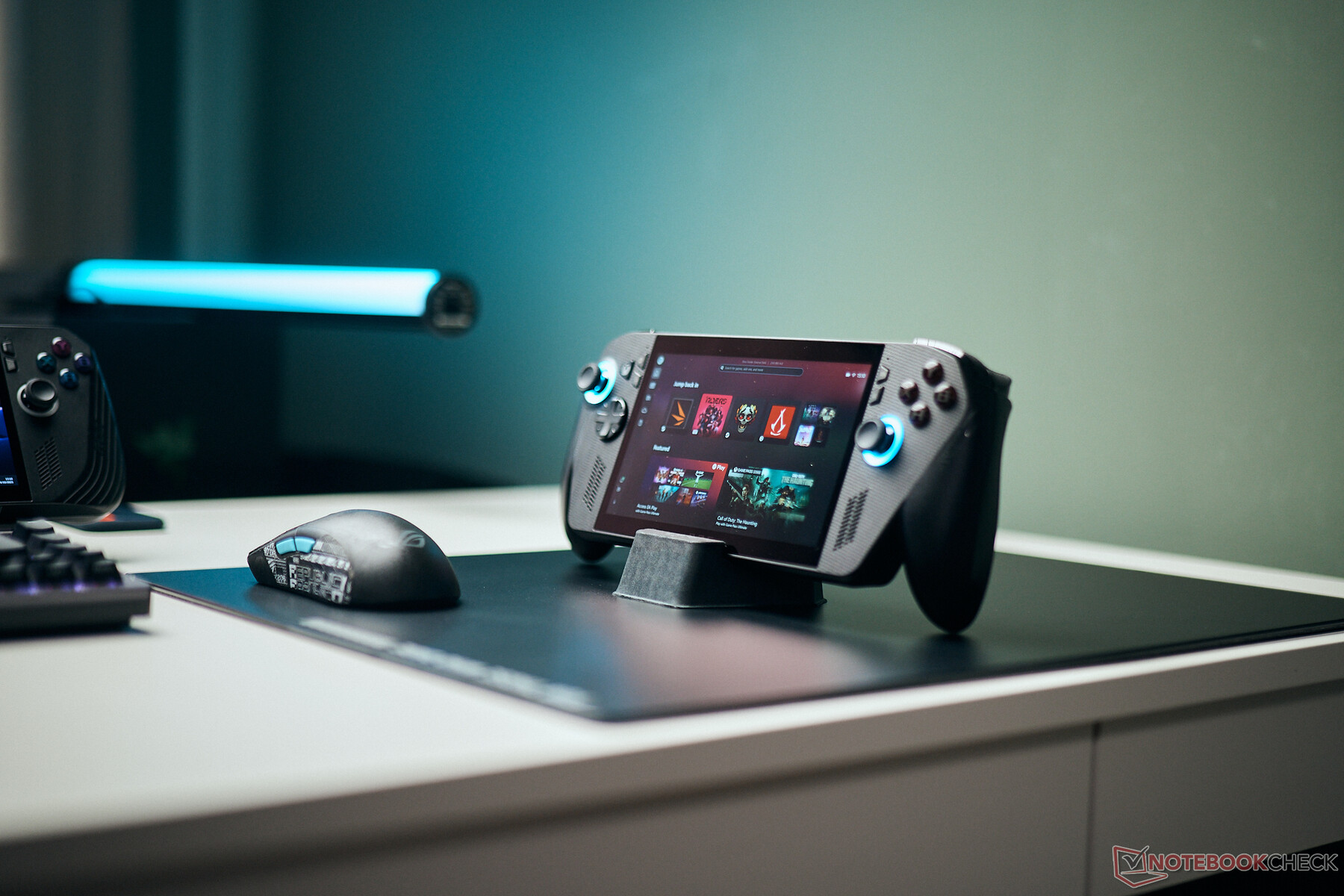
The ROG Ally X (review available here) is an all-round successful hardware update with a focus on user experience. Despite the somewhat bulkier design, the updated controller grips feel much better in the hand, enabling fatigue-free gaming for several hours. Under the hood, an AMD Ryzen AI Z2 Extreme together with the Radeon 890M iGPU provide a gen-to-gen performance boost of around 10 to 15 %. Especially under efficient performance mode, the system impresses with a battery life of over three hours and pleasantly quiet cooling.
The ROG Ally X scores with optimized ergonomics, the powerful Ryzen AI chip and significantly improved usability in everyday gaming on the software side.
The software has also been optimized: The new Xbox full-screen mode massively simplifies Windows operation and streamlines running games from various launchers. As Asus continues to rely on the tried-and-tested 120-Hz IPS display, the device remains more attractively priced than certain high-end rival offerings with OLED technology.
2nd place - MSI Claw 8 AI Plus
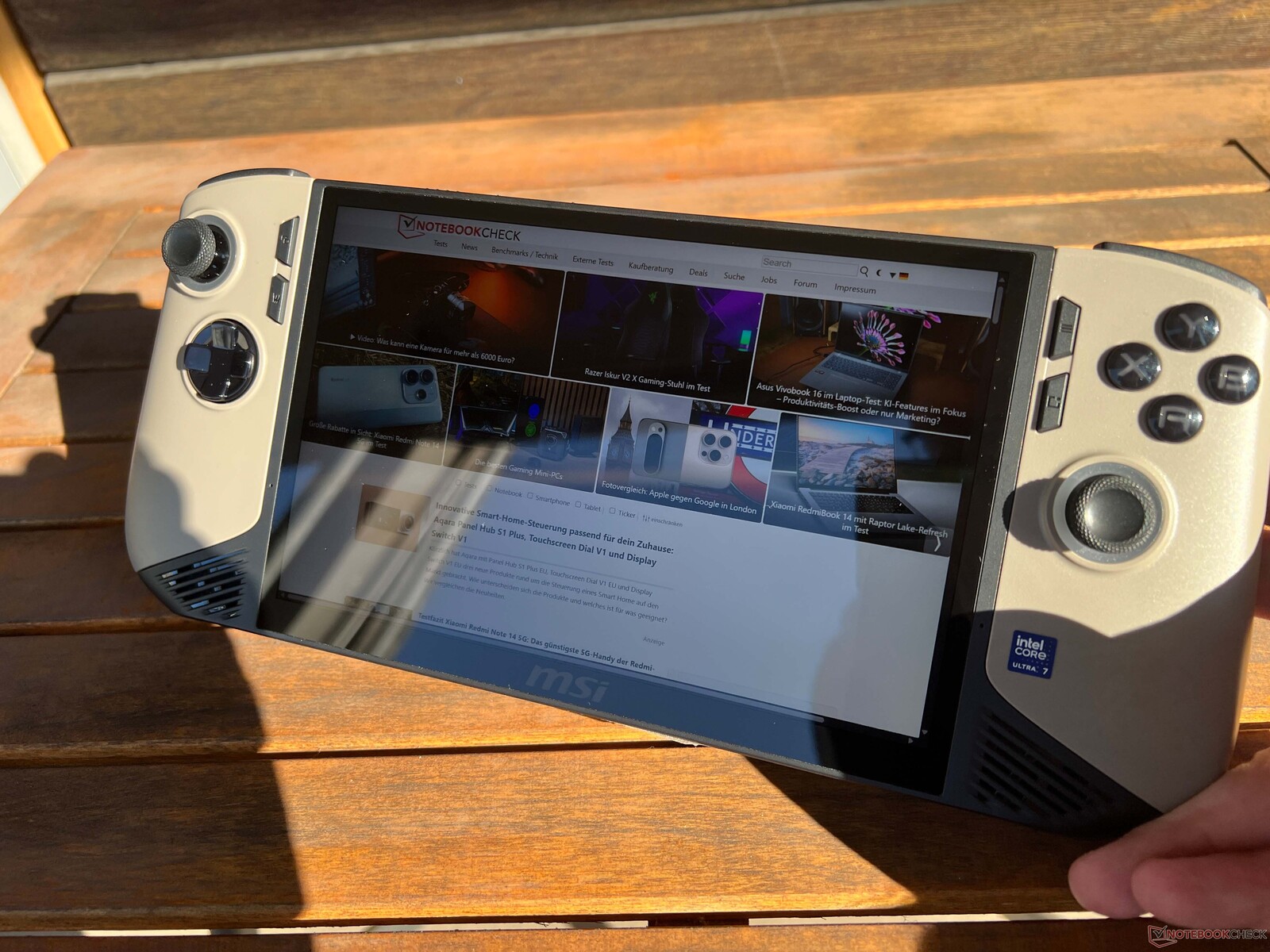
MSI has been relying on Intel chips for its Claw handhelds right from the start. This did not exactly prove to be advantageous for the first devices in the series. Even though Intel Meteor Lake processors sported decent iGPUs, AMD's Radeon RX 780M was clearly better. However, Intel has now made up for this. The Lunar Lake Arc 140V as found in the Claw 8 AI+ is potent, doing away with the biggest issue of past MSI Claw devices. The handheld performed well in our review, with price being its only major drawback.
Higher gaming performance (also compared to the ROG Ally X), lower power consumption and longer battery life: The 8 AI+ is a successful new MSI Claw.
Its controller and overall feel are good, and the 120-Hz screen with variable refresh rate is also a successful upgrade. MSI only needs to improve the companion software. In our testing, it came off as a little laggy.
3rd place - MSI Claw A8
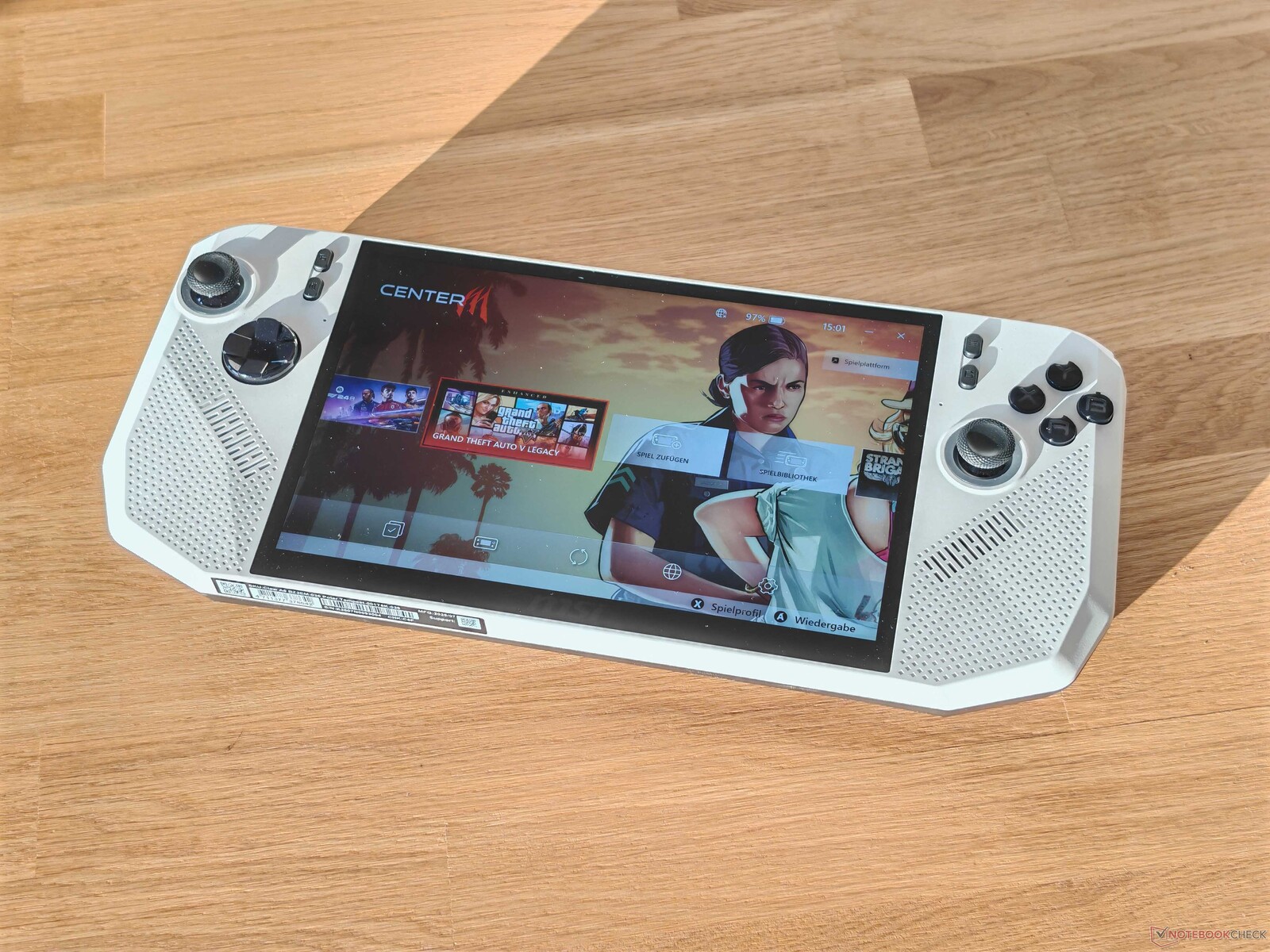
The new AMD version of the MSI Claw performed well in our tests while also raising difficult-to-answer questions, as it hardly offers significant advantages compared to the successful Intel Lunar Lake-powered model, the Claw 8 AI Plus. It sports a different casing with smaller shoulder buttons and triggers, too, which is a head-scratcher. Software has seen some adjustments as well; the tried and tested power profiles have been removed. The user will have to make do with mediocre AI-powered fine-tuning, or, alternatively, adjust settings manually.
In spite of not being at 999 euros, the AMD version with its 24 GB also offers less RAM than the Intel counterpart (32 GB), which is why testers the Intel version is recommended for those looking for an 8-inch portable gamer.
4th place - Lenovo Legion Go 2
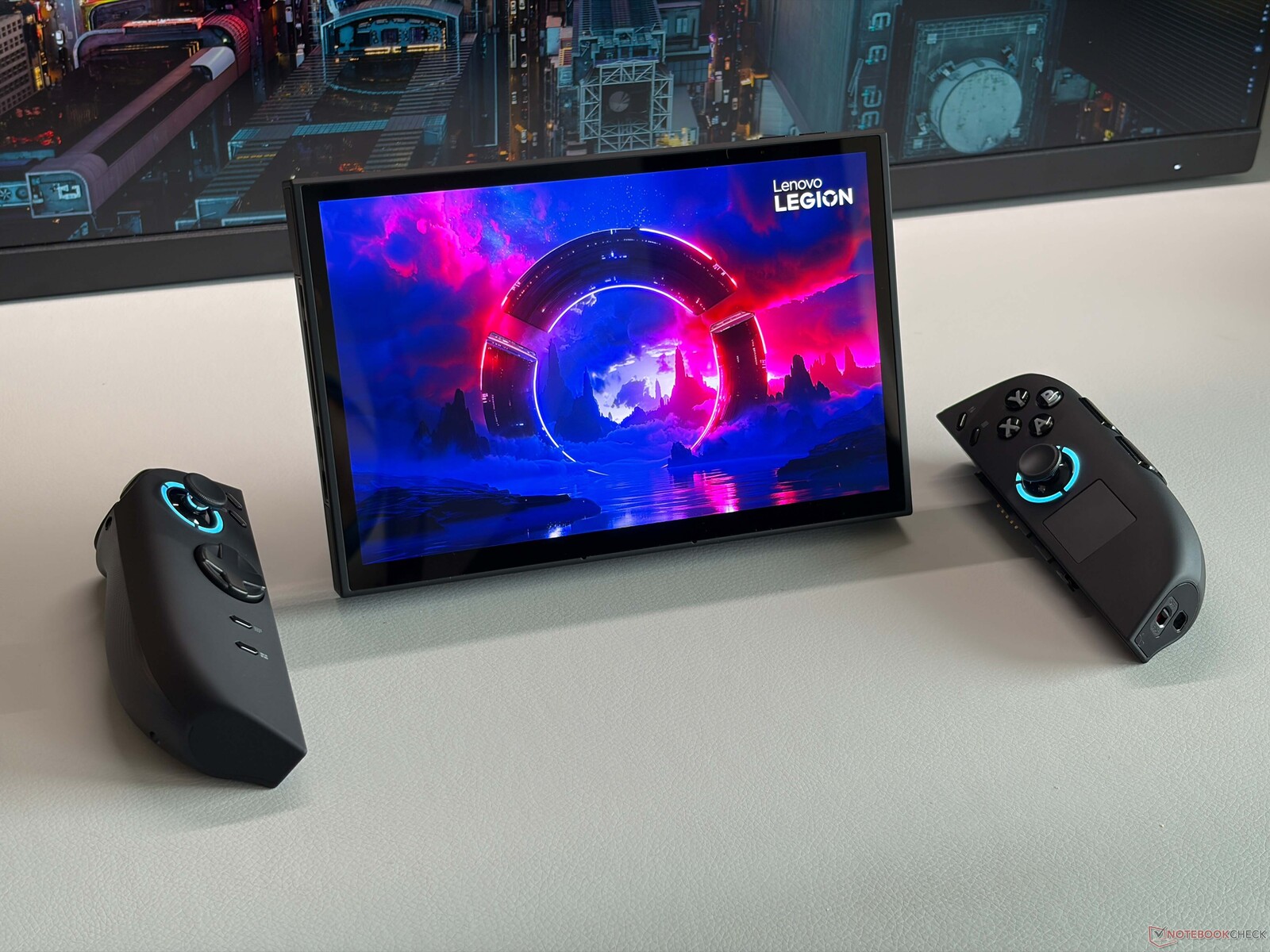
First and foremost, Lenovo's Legion Go 2 made us happy with its brilliant 144-Hz OLED display, setting new handheld standards with its peak brightness of over 1,100 cd/m². The product features detachable controllers and an integrated kickstand, both very useful features considering its size and weight, although this design does come at the expense of battery capacity and sound quality. Performance-wise, the Ryzen Z2 Extreme is solid, but not impressive enough for the money. The Legion costs well over 1,000 euros in Germany.
Even the outstanding OLED display might not be enough for the Legion Go 2 to look appealing. Its high price is to blame.
Rival offers with close enough specs can be had for hundreds of euros less. Some of them sport Wi-Fi 7 support, which the Legion does not, and other bonus points. Now that we have Panther Lake chips, the Go 2 with its enormous surcharge for the OLED panel seems like a questionable way to spend cash for performance-oriented buyers.
Availability at this writing is spotty and limited. Lenovo Germany has the system listed for over 1,800 euros.
5th place - Asus ROG Xbox Ally
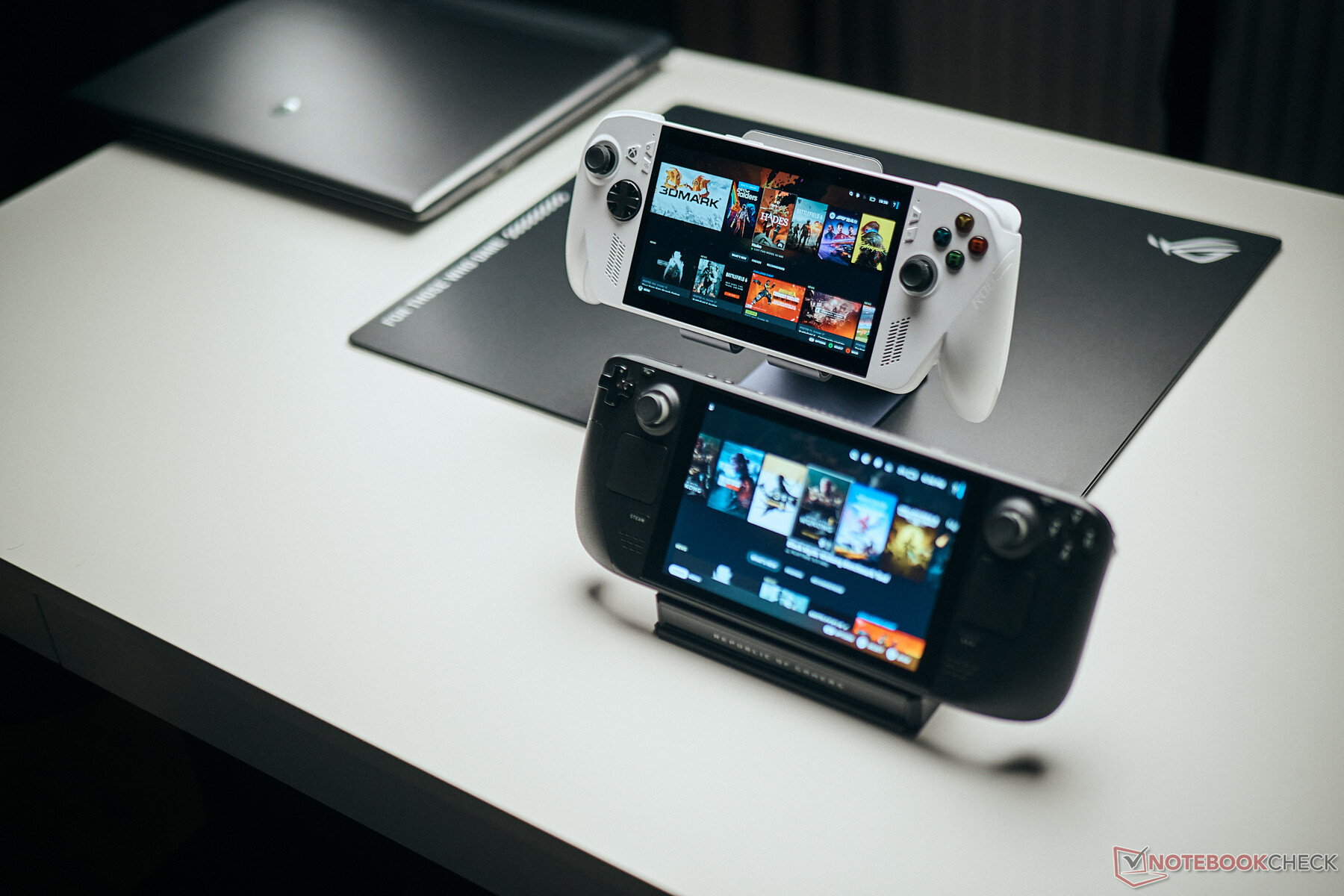
The ROG Xbox Ally has a hard time competing with the other gaming handhelds in 2026. On the one hand, it feels great in the hand, sports very good battery life and a crisp IPS display with variable refresh rate. On the other hand, its AMD Ryzen Z2 is disappointing. The AMD APU only delivers Steam Deck-rivaling performance, which is no longer good enough.
Linux-based operating systems can help extract more performance out of the aging hardware. However, this would do away with the big advantage of the XBox Ally over the Steam Deck - game compatibility.
6th place - Lenovo Legion Go S
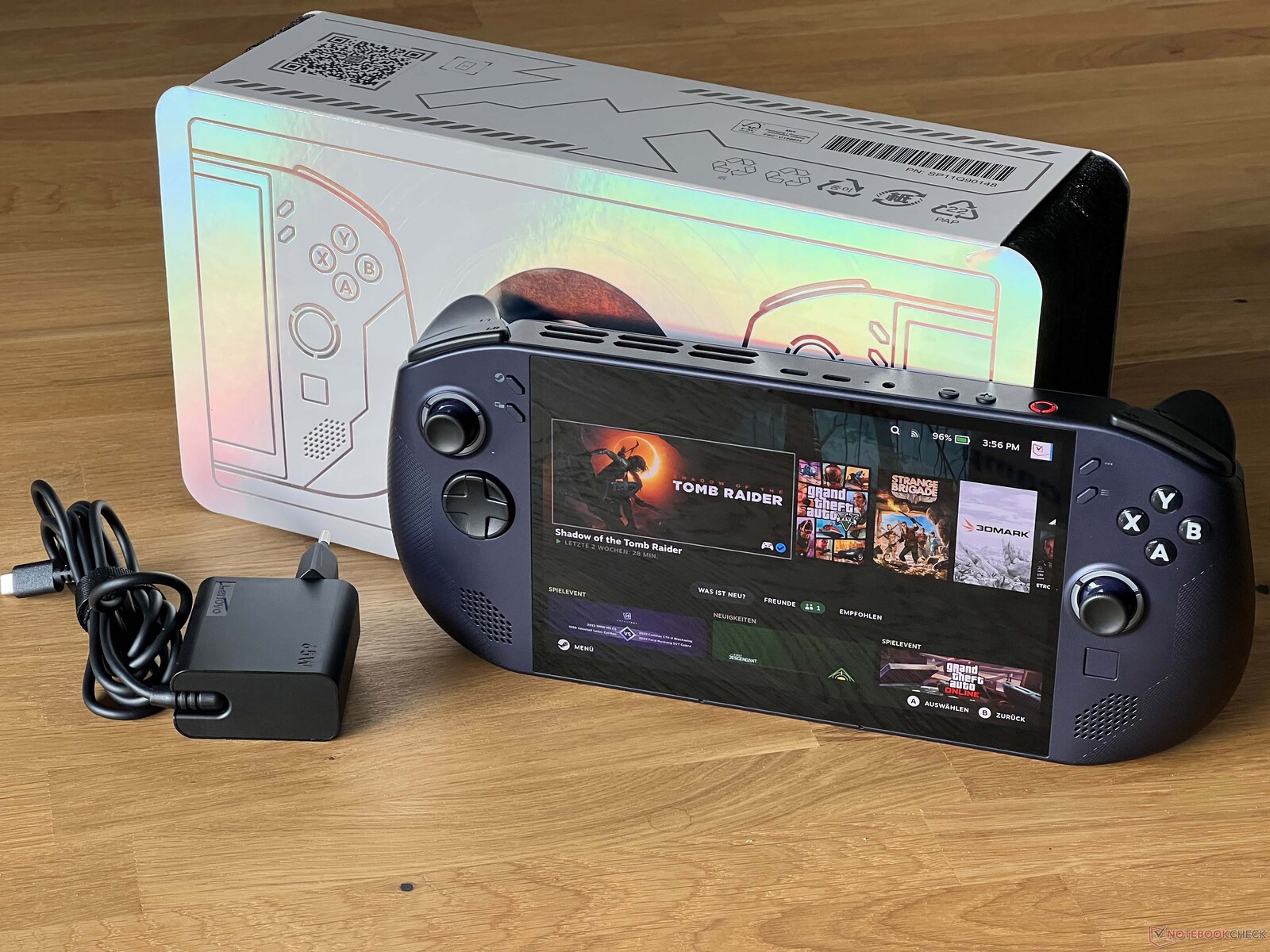
The Legion Go S is available with Steam OS and with Windows; its hardware is identical in both cases. We were lucky to test out both options, to witness an ROG Xbox Ally-like situation where excellent build quality and features are mated to a weak APU.
Lenovo's handheld is impressive with Steam OS onboard, with games running much more smoothly than under Windows. You can try out both both operating systems on the Legions Go S. However, only the Windows version comes with a Windows license. Rather curiously, it is also more affordable than the Steam OS version.
If you mainly play Steam games, the Legion Go S with Steam OS is an appealing portable companion. Either way, Steam OS shows Microsoft what an operating system for a gaming handheld should look like.
7th place - OneXPlayer X1 Pro
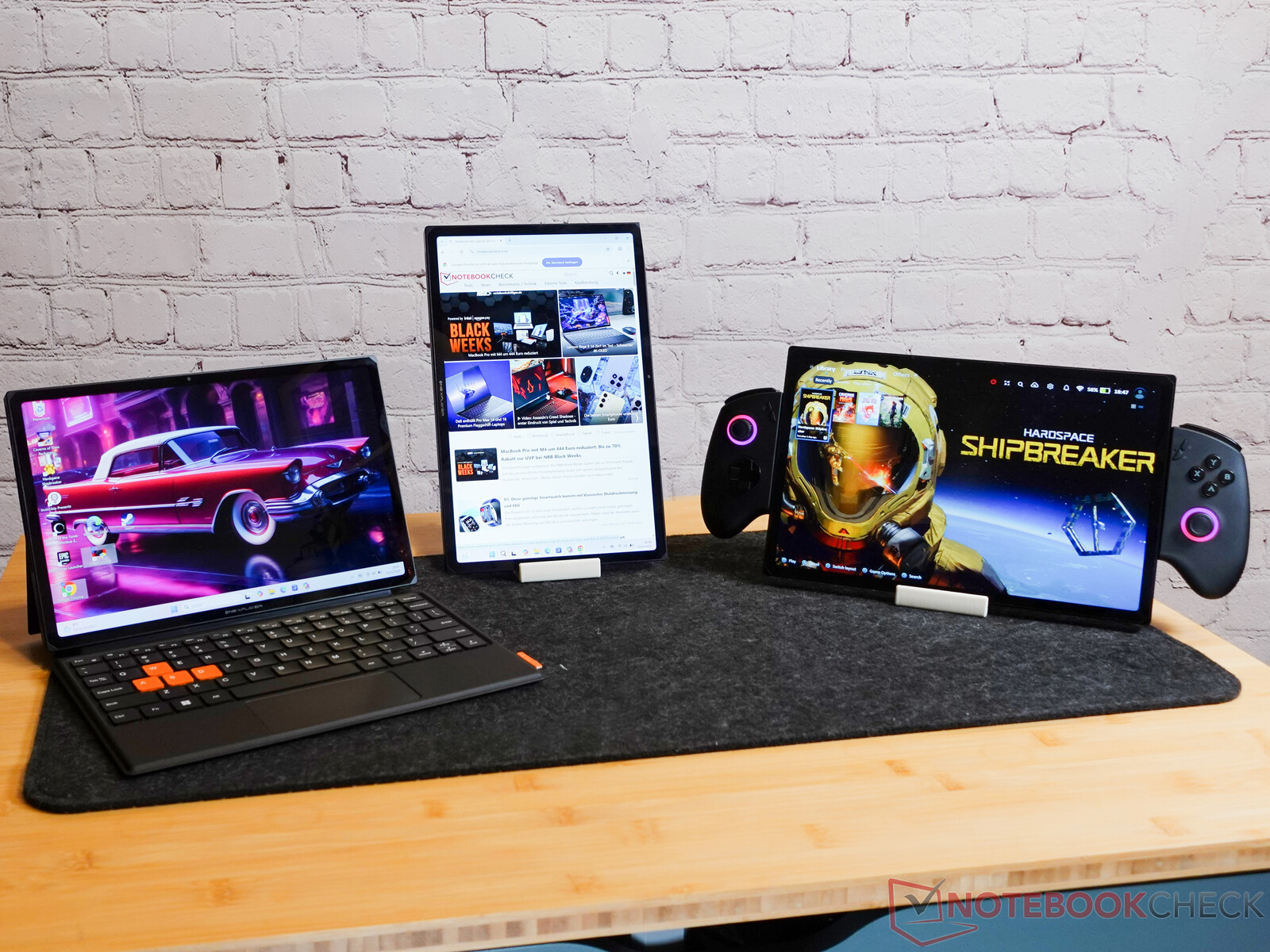
The largest handheld in this list is good to serve as a laptop or tablet. The OneXPlayer X1 Pro blurs the boundaries between these device classes. Inside, an AMD Ryzen AI 9 HX 370 is paired with 32 GB of RAM for admirable performance, with even the latest AAA titles playable smoothly with no issues. The Radeon RX 890M iGPU needs upscaling magic to drive games at the native QHD resolution, but FHD is sufficient as it looks good on the 10.95-inch display.
XL gaming handheld, tablet and laptop - the OneXPlayer X1 Pro serves many needs.
Its controllers are easy to remove for when they are not needed, just like the good magnetically attached keyboard, and the kickstand. Even with everything possible disconnected and detached, the gaming handheld with its 28-cm screen diagonal is no lightweight. One of the reasons for the 929-gram weight of the X1 Pro is its powerful battery providing around ten hours of streaming and Web surfing, or around two hours of AAA gaming.
8th place - GPD Pocket 4
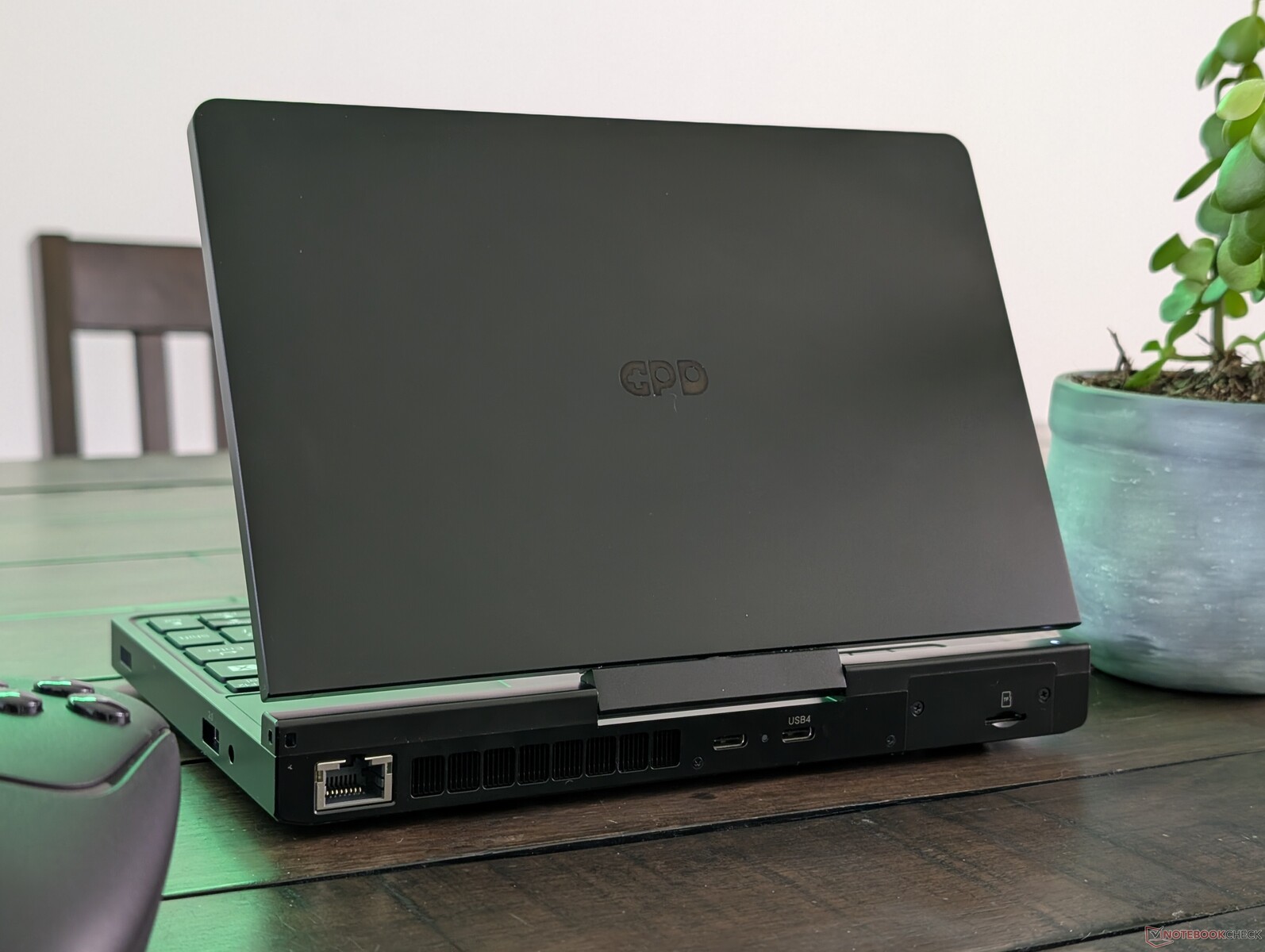
The Pocket 4 proved to be a powerful mini-laptop in Notebookcheck's review, offering the functionality of a full-fledged computer in an ultra-compact form factor. Thanks to the AMD Ryzen AI 9 HX 370 and Radeon 890M, the device is suitable for office work and traveling, gaming, 3D rendering and similar moderately taxing tasks. Compared to the previous-gen model, display quality and performance have been upgraded noticeably.
GPD's Pocket 4 is an impressively versatile portable mini PC, which comes with a hefty price tag.
Small size means compromises had to be made. The keyboard feels cramped, battery life remains average and CPU performance is slightly below that of full-size laptops powered by the same APU. Further issues include loud fans when under load, the lack of VRR or stylus and the absence of a webcam cover.
9th place - Zotac Gaming Zone
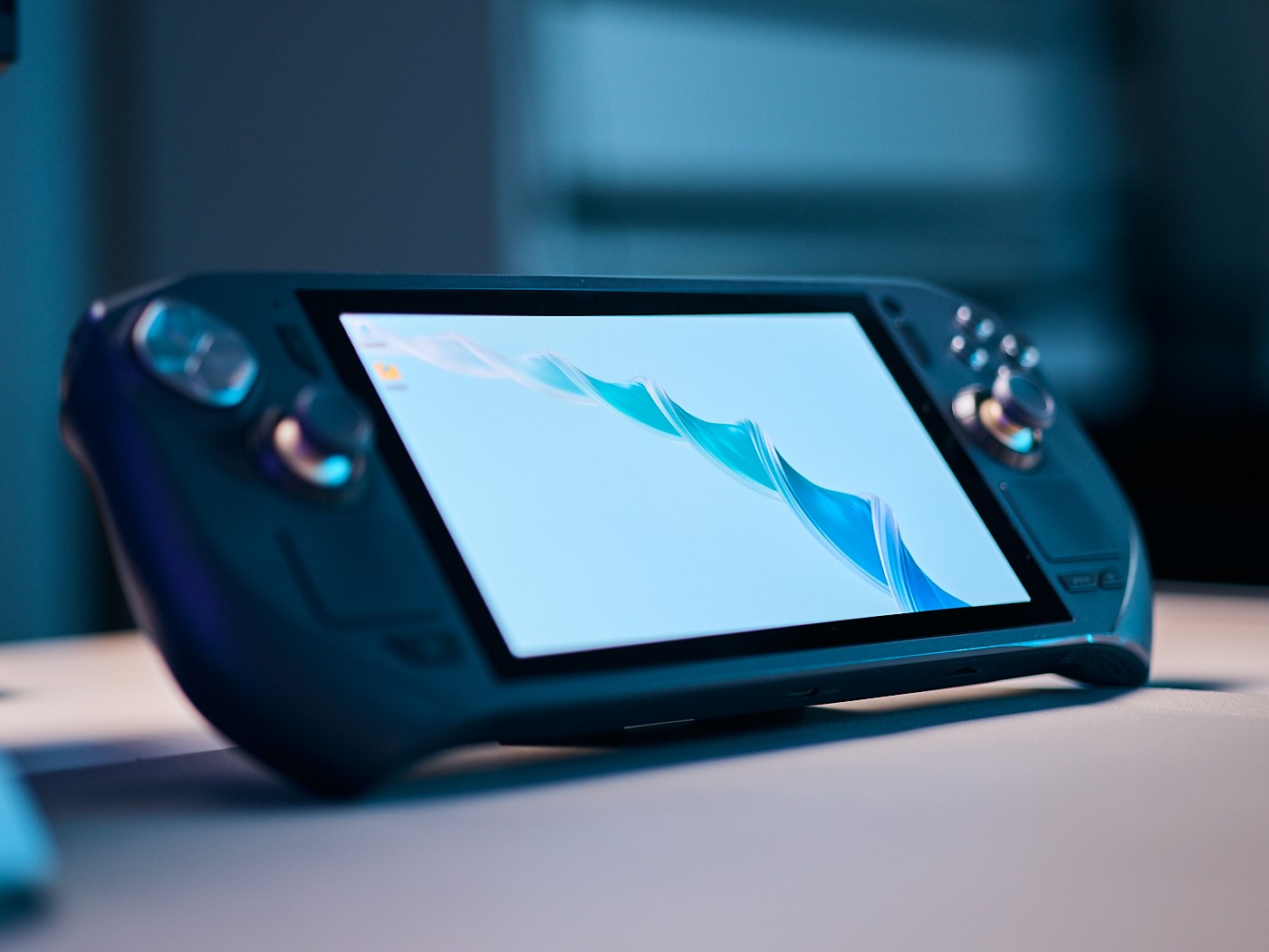
The Zone ZGC-G1A1W is a gaming handheld which impresses with its high-quality OLED display, powerful AMD Ryzen 7 processor and precise controller. It offers a unique feel that can also be customized. Build quality is first-class and the ergonomics, well thought out. Despite the powerful hardware, the device remains pleasantly quiet in use thanks to efficient cooling.
Worth criticizing are its comparatively short battery life and somewhat rudimentary software. The built-in speakers are unlikely to make gamers happy, either.
Overall, Zotac's Zone is a lovely handheld PC that should primarily appeal to gamers who value haptics, performance and display quality.
Best handheld PCs for gaming: Overview
Benchmark scores
| CrossMark - Overall (sort by value) | |
| Asus ROG Xbox Ally X | |
| MSI Claw 8 AI+ | |
| MSI Claw A8 BZ2EM | |
| Lenovo Legion Go 2 | |
| Asus ROG Xbox Ally | |
| ONEXPLAYER X1 Pro GA15H | |
| GPD Pocket 4 | |
| Zotac ZGC-G1A1W-01 | |
| Lenovo Legion Go S | |
| 3DMark 11 - 1280x720 Performance Physics (sort by value) | |
| Asus ROG Xbox Ally X | |
| MSI Claw 8 AI+ | |
| MSI Claw A8 BZ2EM | |
| Lenovo Legion Go 2 | |
| Asus ROG Xbox Ally | |
| ONEXPLAYER X1 Pro GA15H | |
| GPD Pocket 4 | |
| Zotac ZGC-G1A1W-01 | |
| 3DMark - Fire Strike Extreme Physics (sort by value) | |
| Zotac ZGC-G1A1W-01 | |
 Add as a preferred source on Google


