




NVIDIA Quadro P5200 vs Nvidia RTX 5000 Ada Generation Laptop vs NVIDIA Quadro P5000
NVIDIA Quadro P5200
► remove from comparison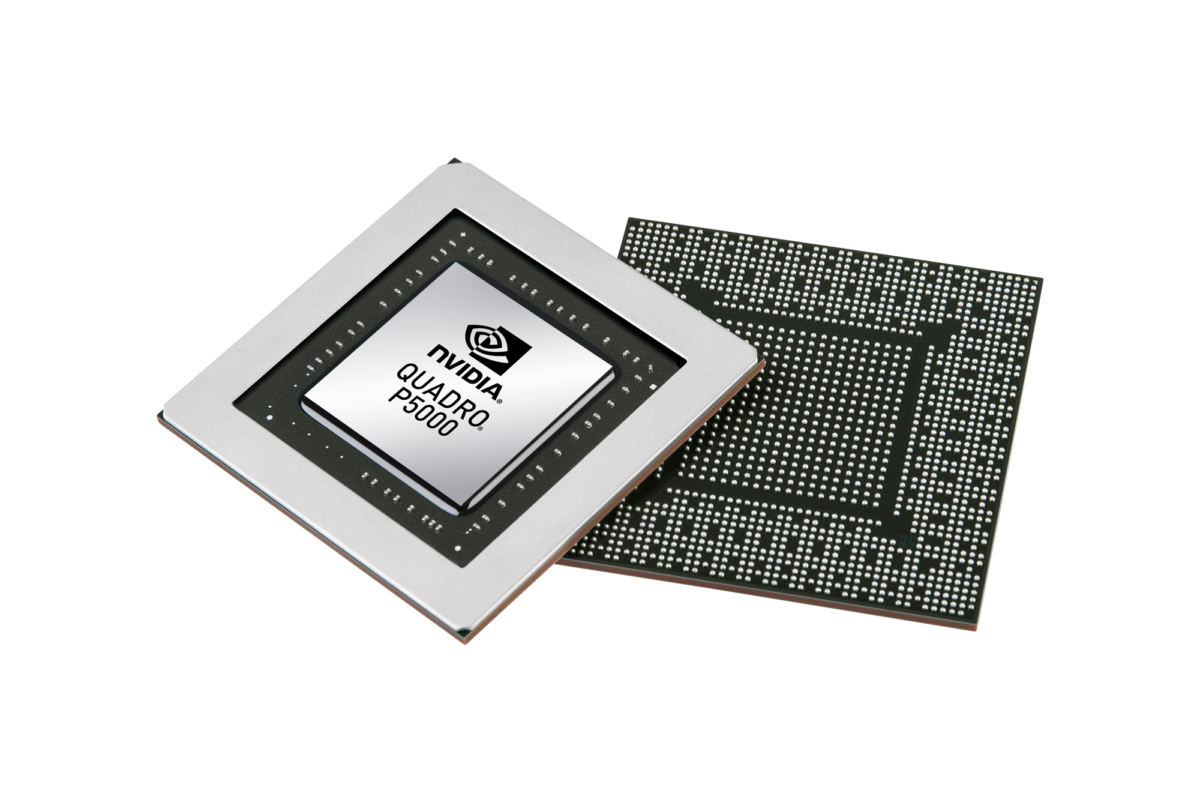
The Nvidia Quadro P5200 is a mobile high-end workstation graphics card for laptops. Similar to the consumer GeForce GTX 1080 (Laptop), it is based on a GP104 chip with 2560 shaders but uses a bit slower GDDR5 instead of GDDR5X of the GTX1080. The Quadro P5200 ist the successor to the Quadro P5000. There will be a normal (Max-P) and a slower but more efficient (Max-Q) variant of the card. For the Max-P variant, the clock speeds are specified from 1556 (base) to 1746 MHz (Boost), the power efficient Max-Q clocks from 1316 MHz (base) to 1569 (Boost) according to a GPU-Z screenshot from a reader (-15% / -10%). The 16 GB GDDR5 are clocked at 3,6 GHz leading to a memory bandwidth of 230 GB/s.
The Quadro GPUs offer certified drivers, which are optimized for stability and performance in professional applications (CAD, DCC, medical, prospection, and visualizing applications). The performance in these areas is therefore much better compared to corresponding consumer GPUs.
Performance
The theoretical performance should be a bit above the older Quadro P5000. Altough the clock speed increase is not yet known, the power consumption is rumored to be a lot higher, which should lead to a noticable improved performance. Nvidia specifies a theoretical peak performance of 8,9 GFLOPS (Single Precision).
Power Consumption
The power consumption of the Quadro P5200 is specified by Nvidia as 150 Watt (Max-P) and rumored to be 100 - 110 Watt for the Max-Q variant. Therefore, it is a lot higher than the Quadro P5000 versions (100 Watt and 80 Watt).
Nvidia RTX 5000 Ada Generation Laptop
► remove from comparison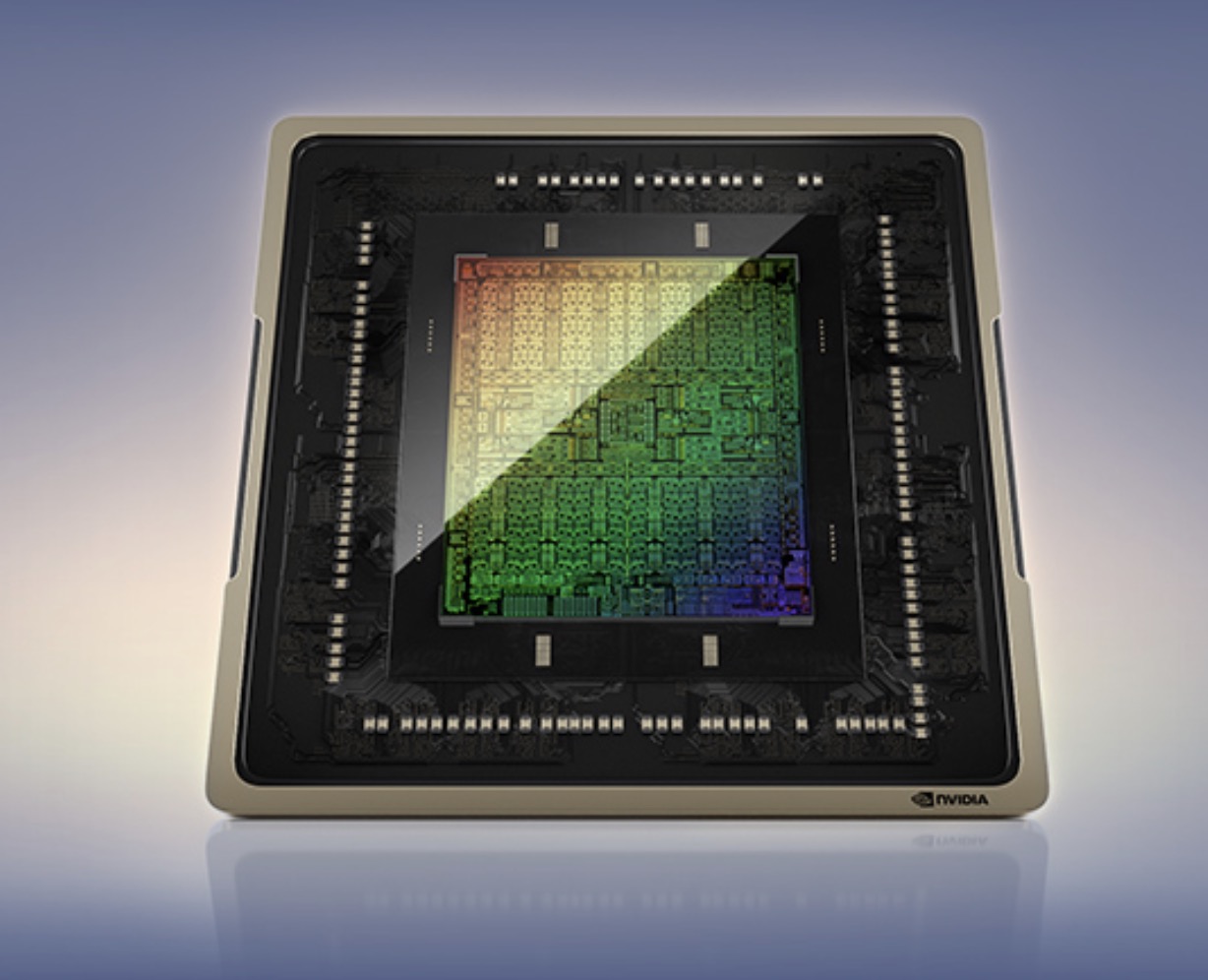
The Nvidia RTX 5000 Ada Generation, not to be confused with the A5000, P5000 and the RTX 5000 Turing Generation, is a super-powerful professional graphics card for use in laptops that sports 9,728 CUDA cores and 16 GB of ECC GDDR6 VRAM. Brought into existence in 2023, this graphics adapter leverages TSMC's 5 nm process and Nvidia's Ada Lovelace architecture to achieve great performance combined with reasonable power consumption. The Nvidia-recommended TGP range for the card is very wide at 80 W to 175 W leading to bizarre performance differences between different systems powered by what is supposed to be the same product.
Hardware-wise, the RTX 5000 is a GeForce RTX 4090 Laptop in disguise. Consequently, both make use of the AD103 chip and have little difficulty running triple-A games at UHD 2160p.
Quadro series graphics cards ship with much different BIOS and drivers than GeForce cards and are targeted at professional users rather than gamers. Commercial product design, large-scale calculations, simulation, data mining, 24 x 7 operation - if any of this sounds familiar, then a Quadro card will make you happy.
Architecture and Features
Ada Lovelace brings a range of improvements over older graphics cards utilizing the outgoing Ampere architecture. It's not just a better manufacturing process and a higher number of CUDA cores that we have here (up to 16,384 versus 10,752); under-the-hood refinements are plentiful, including an immensely larger L2 cache and an optimized ray tracing routine (a different way to determine what is transparent and what isn't is used) and other changes. Naturally, these graphics cards can both encode and decode some of the most widely used video codecs, AVC, HEVC and AV1 included; they also support a host of proprietary Nvidia technologies, including Optimus and DLSS 3, and they can certainly be used for various AI tasks.
The RTX 5000 features 76 RT cores of the 3rd generation, 304 Tensor cores of the 4th generation and 9,728 CUDA cores, making it a lot faster than the RTX 4000 Ada Generation. Elsewhere, the graphics card comes with 16 GB of 256-bit wide ECC GDDR6 memory for an impressive throughput of ~576 GB/s. Error correction can be turned off if desired. The fact that error correction is present here proves that the RTX 5000 is indeed targeted at professional users.
Just like Ampere-based cards, the RTX 5000 makes use of the PCI-Express 4 protocol. 8K SUHD monitors are supported, however DP 1.4a video outputs can potentially prove to be a bottleneck down the line.
Performance
The average RTX 5000 Ada Generation in our extensive database is noticeably inferior to the GeForce RTX 4080 in some tests but is totally comparable to the GeForce RTX 4090 in other ones, such as the Geekbench 6.2 GPU Vulkan test.
Nvidia's marketing materials mention "up to 42.6 TFLOPS" of performance which is very impressive. The RTX 4000 Ada Generation delivers up to 33.5 TFLOPS, for reference, while the RTX 500 Ada is only good for 9 TFLOPS.
Your mileage may vary depending on how competent the cooling solution of your laptop is and how high the TGP power target of the RTX 5000 is. One other thing worth mentioning is that enabling error correction appears to reduce the amount of video memory that is available to applications and games by up to a gigabyte.
Power consumption
Nvidia no longer divides its laptop graphics cards into Max-Q and non-max-Q models. Instead, laptop makers are free to set the TGP according to their needs, and the range can sometimes be shockingly wide. This is the case with the RTX 5000 Ada, as the lowest value recommended for it sits at just 80 W while the highest is more than two times higher at 175 W (this most likely includes Dynamic Boost). The slowest system built around an RTX 5000 Ada can easily be 60% slower than the fastest one. This is the kind of delta that we've already seen on consumer-grade laptops featuring the latest GeForce RTX cards.
Last but not the least, the improved 5 nm process (TSMC 4N) the RTX 5000 is built with makes for very decent energy efficiency, as of mid 2023.
NVIDIA Quadro P5000
► remove from comparison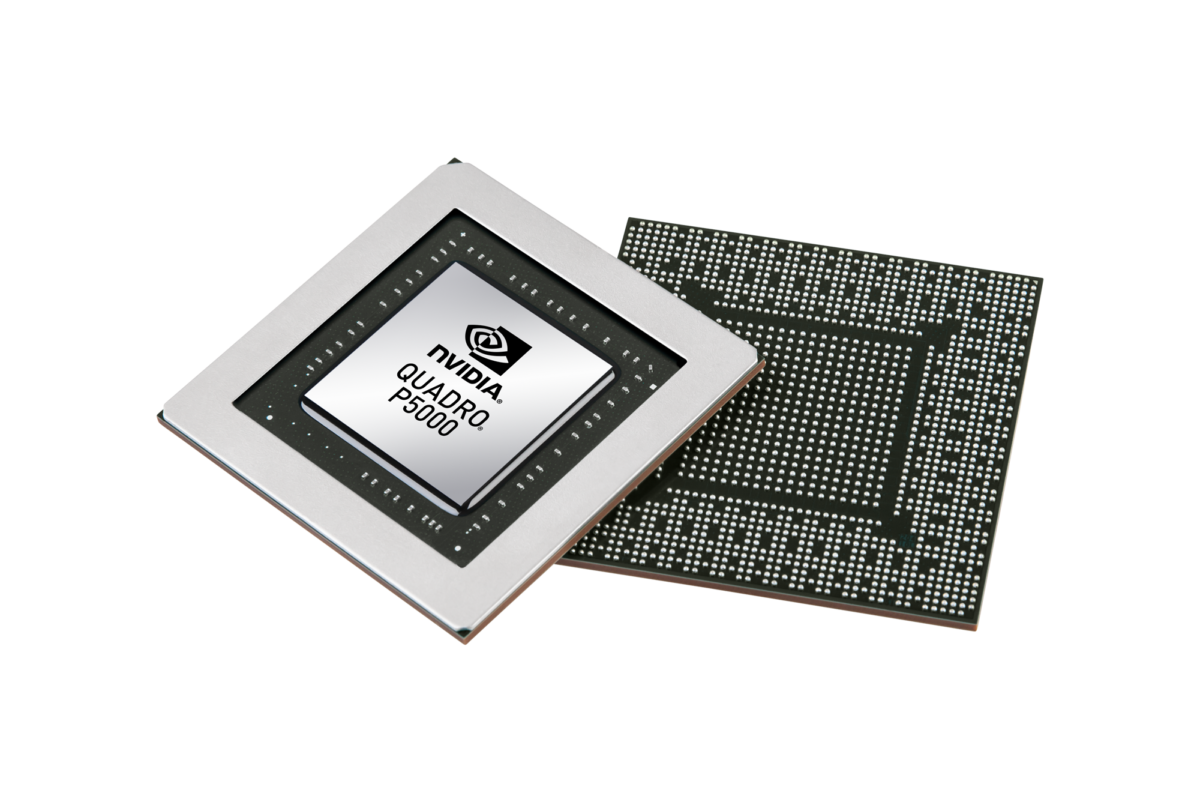
The Nvidia Quadro P5000 is a mobile high-end workstation graphics card for notebooks. Similar to the consumer GeForce GTX 1070 (Laptop), it is based on a slimmed-down GP104 chip with 2048 shaders. The graphics card is designed for the Kaby Lake generation and is the successor to the Quadro M5000M (Maxwell). However, the P5000 is equipped with 16 GB GDDR5 video memory (at a lower bandwidth), while GTX 1070 is limited to 8 GB. The clock rates range between 1164 MHz (base) to 1506 MHz (typical Boost) and up to 1657 MHz (max.).
The Quadro GPUs offer certified drivers, which are optimized for stability and performance in professional applications (CAD, DCC, medical, prospection, and visualizing applications). The performance in these areas is therefore much better compared to corresponding consumer GPUs.
Performance
The theoretical performance should be on par with the GTX 1070 (if the clocks did not take a massive hit), so the GPU should be significantly faster than the previous M5000M. Even the old M5500M could be beaten.
Power Consumption
The power consumption of the Quadro P5000 is similar to the old Quadro M5000M at 100 Watts TGP (max power consumption incl. memory) resp. 73.4 W TDP according to Nvidia. The card is therefore suited for large 17-inch notebooks.
| NVIDIA Quadro P5200 | Nvidia RTX 5000 Ada Generation Laptop | NVIDIA Quadro P5000 | ||||||||||||||||||||||||||||||||||||||||||||||||||||||||||||||||||||||||||||||||||||||||||||||||||||
| Quadro P Series |
|
|
| |||||||||||||||||||||||||||||||||||||||||||||||||||||||||||||||||||||||||||||||||||||||||||||||||||
| Architecture | Pascal | Ada Lovelace | Pascal | |||||||||||||||||||||||||||||||||||||||||||||||||||||||||||||||||||||||||||||||||||||||||||||||||||
| Pipelines | 2560 - unified | 9728 - unified | 2048 - unified | |||||||||||||||||||||||||||||||||||||||||||||||||||||||||||||||||||||||||||||||||||||||||||||||||||
| Core Speed | 1316 - 1569 (Boost) MHz | 930 - 1680 (Boost) MHz | 1164 - 1506 (Boost) MHz | |||||||||||||||||||||||||||||||||||||||||||||||||||||||||||||||||||||||||||||||||||||||||||||||||||
| Memory Speed | 7216 MHz | 20000 effective = 2250 MHz | 6006 MHz | |||||||||||||||||||||||||||||||||||||||||||||||||||||||||||||||||||||||||||||||||||||||||||||||||||
| Memory Bus Width | 256 Bit | 256 Bit | 256 Bit | |||||||||||||||||||||||||||||||||||||||||||||||||||||||||||||||||||||||||||||||||||||||||||||||||||
| Memory Type | GDDR5 | GDDR6 | GDDR5 | |||||||||||||||||||||||||||||||||||||||||||||||||||||||||||||||||||||||||||||||||||||||||||||||||||
| Max. Amount of Memory | 16 GB | 16 GB | 16 GB | |||||||||||||||||||||||||||||||||||||||||||||||||||||||||||||||||||||||||||||||||||||||||||||||||||
| Shared Memory | no | no | no | |||||||||||||||||||||||||||||||||||||||||||||||||||||||||||||||||||||||||||||||||||||||||||||||||||
| API | DirectX 12_1, Shader 5.0, OpenGL 4.5 | DirectX 12 Ultimate, Shader 6.7, OpenGL 4.6, OpenCL 3.0, Vulkan 1.3 | DirectX 12_1, Shader 5.0, OpenGL 4.5 | |||||||||||||||||||||||||||||||||||||||||||||||||||||||||||||||||||||||||||||||||||||||||||||||||||
| Power Consumption | 150 Watt | 150 Watt (80 - 150 Watt TGP) | 100 Watt | |||||||||||||||||||||||||||||||||||||||||||||||||||||||||||||||||||||||||||||||||||||||||||||||||||
| technology | 16 nm | 4 nm | 16 nm | |||||||||||||||||||||||||||||||||||||||||||||||||||||||||||||||||||||||||||||||||||||||||||||||||||
| Features | Optimus, PhysX, 3D Vision Pro, nView, Optimus | Optimus, PhysX, 3D Vision Pro, nView, Optimus | ||||||||||||||||||||||||||||||||||||||||||||||||||||||||||||||||||||||||||||||||||||||||||||||||||||
| Notebook Size | large | large | large | |||||||||||||||||||||||||||||||||||||||||||||||||||||||||||||||||||||||||||||||||||||||||||||||||||
| Date of Announcement | 11.01.2017 | 21.03.2023 | 11.01.2017 | |||||||||||||||||||||||||||||||||||||||||||||||||||||||||||||||||||||||||||||||||||||||||||||||||||
| TMUs | 304 | |||||||||||||||||||||||||||||||||||||||||||||||||||||||||||||||||||||||||||||||||||||||||||||||||||||
| ROPs | 112 | |||||||||||||||||||||||||||||||||||||||||||||||||||||||||||||||||||||||||||||||||||||||||||||||||||||
| Raytracing Cores | 76 | |||||||||||||||||||||||||||||||||||||||||||||||||||||||||||||||||||||||||||||||||||||||||||||||||||||
| Tensor / AI Cores | 304 | |||||||||||||||||||||||||||||||||||||||||||||||||||||||||||||||||||||||||||||||||||||||||||||||||||||
| AI GPU | 682 TOPS INT8 | |||||||||||||||||||||||||||||||||||||||||||||||||||||||||||||||||||||||||||||||||||||||||||||||||||||
| Cache | L2: 64 MB | |||||||||||||||||||||||||||||||||||||||||||||||||||||||||||||||||||||||||||||||||||||||||||||||||||||
| Memory Bandwidth | 576 GB/s | |||||||||||||||||||||||||||||||||||||||||||||||||||||||||||||||||||||||||||||||||||||||||||||||||||||
| Transistors | 76.3 Billion | |||||||||||||||||||||||||||||||||||||||||||||||||||||||||||||||||||||||||||||||||||||||||||||||||||||
| PCIe | 4 x16/x8 | |||||||||||||||||||||||||||||||||||||||||||||||||||||||||||||||||||||||||||||||||||||||||||||||||||||
| Displays | 4 Displays (max.), HDMI 2.1, DisplayPort 1.4a | |||||||||||||||||||||||||||||||||||||||||||||||||||||||||||||||||||||||||||||||||||||||||||||||||||||
| Link to Manufacturer Page | images.nvidia.com | www.nvidia.com | ||||||||||||||||||||||||||||||||||||||||||||||||||||||||||||||||||||||||||||||||||||||||||||||||||||
| Predecessor | RTX A5500 Laptop GPU | |||||||||||||||||||||||||||||||||||||||||||||||||||||||||||||||||||||||||||||||||||||||||||||||||||||
| Codename | N17E-Q5 |
Benchmarks

3DM Vant. Perf. total + NVIDIA Quadro P5200
specvp11 snx-01 + NVIDIA Quadro P5000
specvp12 sw-03 + NVIDIA Quadro P5200
Cinebench R15 OpenGL 64 Bit + NVIDIA Quadro P5200
GFXBench T-Rex HD Offscreen C24Z16 + NVIDIA Quadro P5000
Average Benchmarks NVIDIA Quadro P5200 → 100% n=16
Average Benchmarks Nvidia RTX 5000 Ada Generation Laptop → 161% n=16
Average Benchmarks NVIDIA Quadro P5000 → 78% n=16
 - Average benchmark values for this graphics card
* Smaller numbers mean a higher performance
1 This benchmark is not used for the average calculation
Game Benchmarks
The following benchmarks stem from our benchmarks of review laptops. The performance depends on the used graphics memory, clock rate, processor, system settings, drivers, and operating systems. So the results don't have to be representative for all laptops with this GPU. For detailed information on the benchmark results, click on the fps number.

Cyberpunk 2077
2023
Baldur's Gate 3
2023

Returnal
2023
F1 22
2022

Cyberpunk 2077 1.6
2022

Strange Brigade
2018
F1 2018
2018
Monster Hunter World
2018
Far Cry 5
2018
X-Plane 11.11
2018

Destiny 2
2017

Dirt 4
2017
Rocket League
2017
Prey
2017

For Honor
2017

Titanfall 2
2016
Battlefield 1
2016

Overwatch
2016


Rainbow Six Siege
2015

Fallout 4
2015
Metal Gear Solid V
2015
Dota 2 Reborn
2015

The Witcher 3
2015
GTA V
2015
Thief
2014
Metro: Last Light
2013
BioShock Infinite
2013

Guild Wars 2
2012
Sleeping Dogs
2012Average Gaming NVIDIA Quadro P5200 → 100%
Average Gaming 30-70 fps → 100%
Average Gaming Nvidia RTX 5000 Ada Generation Laptop → 196%
Average Gaming NVIDIA Quadro P5000 → 82%
Average Gaming 30-70 fps → 79%
| NVIDIA Quadro P5200 | Nvidia RTX 5000 Ada Generation Laptop | NVIDIA Quadro P5000 | |||||||||||||||||||
|---|---|---|---|---|---|---|---|---|---|---|---|---|---|---|---|---|---|---|---|---|---|
| low | med. | high | ultra | QHD | 4K | low | med. | high | ultra | QHD | 4K | low | med. | high | ultra | QHD | 4K | ||||
| Cyberpunk 2077 | 125 | 116.6 | 94.6 | 108.5 | 63.7 | 28.8 | |||||||||||||||
| Baldur's Gate 3 | 172.3 | 155.2 | 139.2 | 134.6 | 100.5 | 53.3 | |||||||||||||||
| Ratchet & Clank Rift Apart | 118 | 93.9 | 69.4 | 54.5 | 43.4 | 33.3 | |||||||||||||||
| Returnal | 98 | 94 | 90 | 81 | 60 | 34 | |||||||||||||||
| F1 22 | 236 | 229 | 210 | 87 | 60 | 31 | |||||||||||||||
| Tiny Tina's Wonderlands | 228 | 203 | 157 | 129 | 92 | 51 | |||||||||||||||
| Cyberpunk 2077 1.6 | 118 | 115 | 106 | 102 | 70 | 35 | |||||||||||||||
| Strange Brigade | 408 | 326 | 291 | 268 | 203 | 105 | |||||||||||||||
| Far Cry 5 | 149 | 137 | 131 | 127 | 119 | 71 | |||||||||||||||
| X-Plane 11.11 | 155 | 134 | 105 | 88 | |||||||||||||||||
| Final Fantasy XV Benchmark | 197 | 170 | 136 | 108 | 64 | ||||||||||||||||
| Dota 2 Reborn | 186 | 168 | 164 | 150 | 143 | ||||||||||||||||
| The Witcher 3 | 315 | 220 | 118 | 65 | 46 | 445 | 370 | 271 | 144 | 102 | 97.5 | 53 | 36 | ||||||||
| GTA V | 185.4 | 179.7 | 175.3 | 117.1 | 106.6 | 108 | |||||||||||||||
| NVIDIA Quadro P5200 | Nvidia RTX 5000 Ada Generation Laptop | NVIDIA Quadro P5000 | |||||||||||||||||||
| low | med. | high | ultra | QHD | 4K | low | med. | high | ultra | QHD | 4K | low | med. | high | ultra | QHD | 4K | < 30 fps < 60 fps < 120 fps ≥ 120 fps | 1 | 1 | 1 | 1 | | 1 | < 30 fps < 60 fps < 120 fps ≥ 120 fps | 3 11 | 4 10 | 5 9 | 1 5 6 | 1 9 1 | 1 6 6 1 | < 30 fps < 60 fps < 120 fps ≥ 120 fps | | | 1 | 1 | | 1 |
For more games that might be playable and a list of all games and graphics cards visit our Gaming List


 Add as a preferred