




AMD Radeon Graphics (Ryzen 7000) vs NVIDIA GeForce GTX 1050 Ti (Desktop)
AMD Radeon Graphics (Ryzen 7000)
► remove from comparison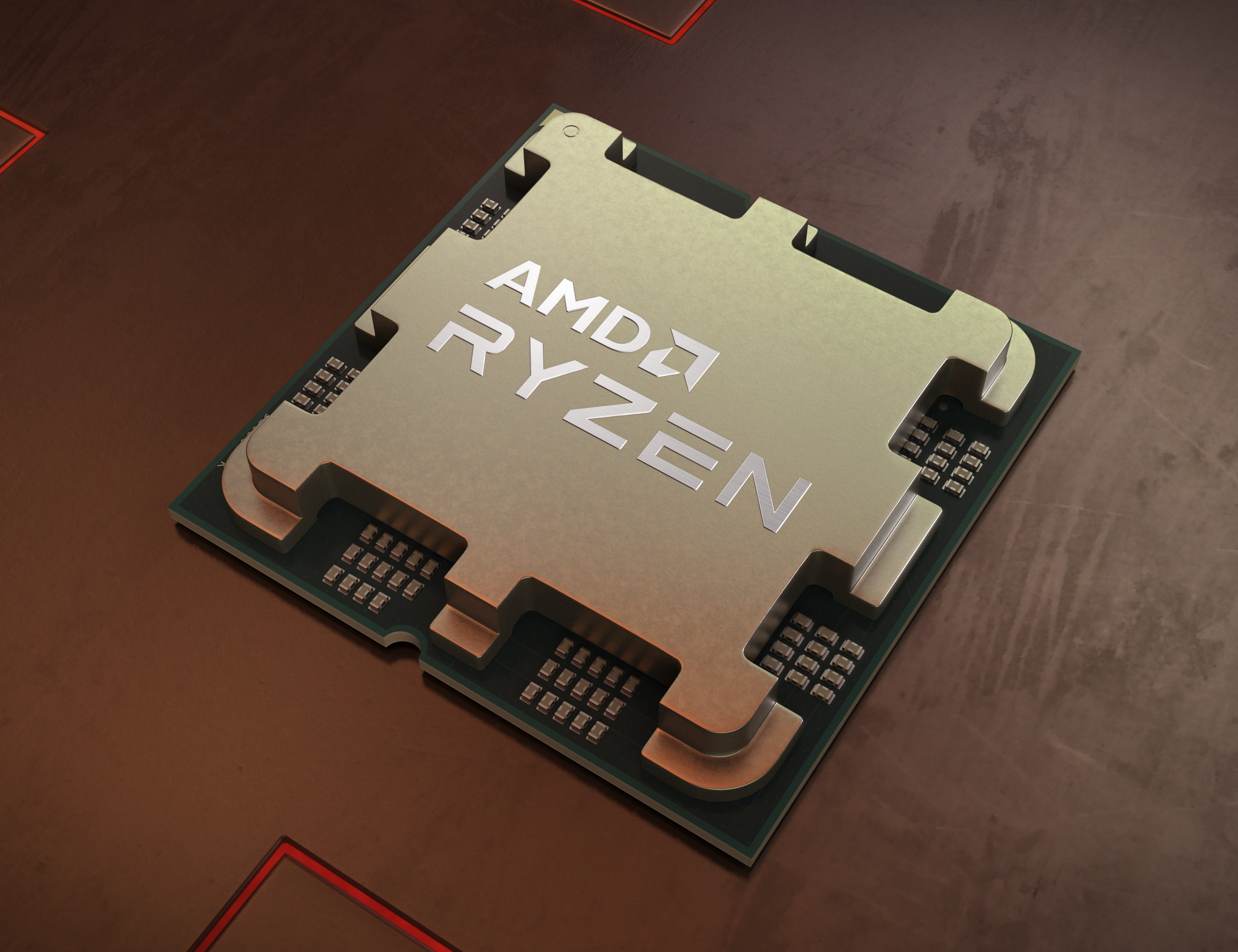
The AMD Radeon Graphics of the Ryzen 7000 desktop CPUs is an integrated graphics card (iGPU) based on the RDNA 2 architecture. It offers only 2 CUs (128 shader) and is similar to the Radeon 610M. The clock speed in most CPUs ranges between 400 to 2200 MHz. Due to the low amount of shaders, the gaming performance is very low and only suited for low demanding games. The GPU also integrates an AMD Video Coding Engine (VCE) for H.264, H.265 10/8bpc encoding and AV1, VP9, H.265, and H.264 10/8bpc decoding.
NVIDIA GeForce GTX 1050 Ti (Desktop)
► remove from comparison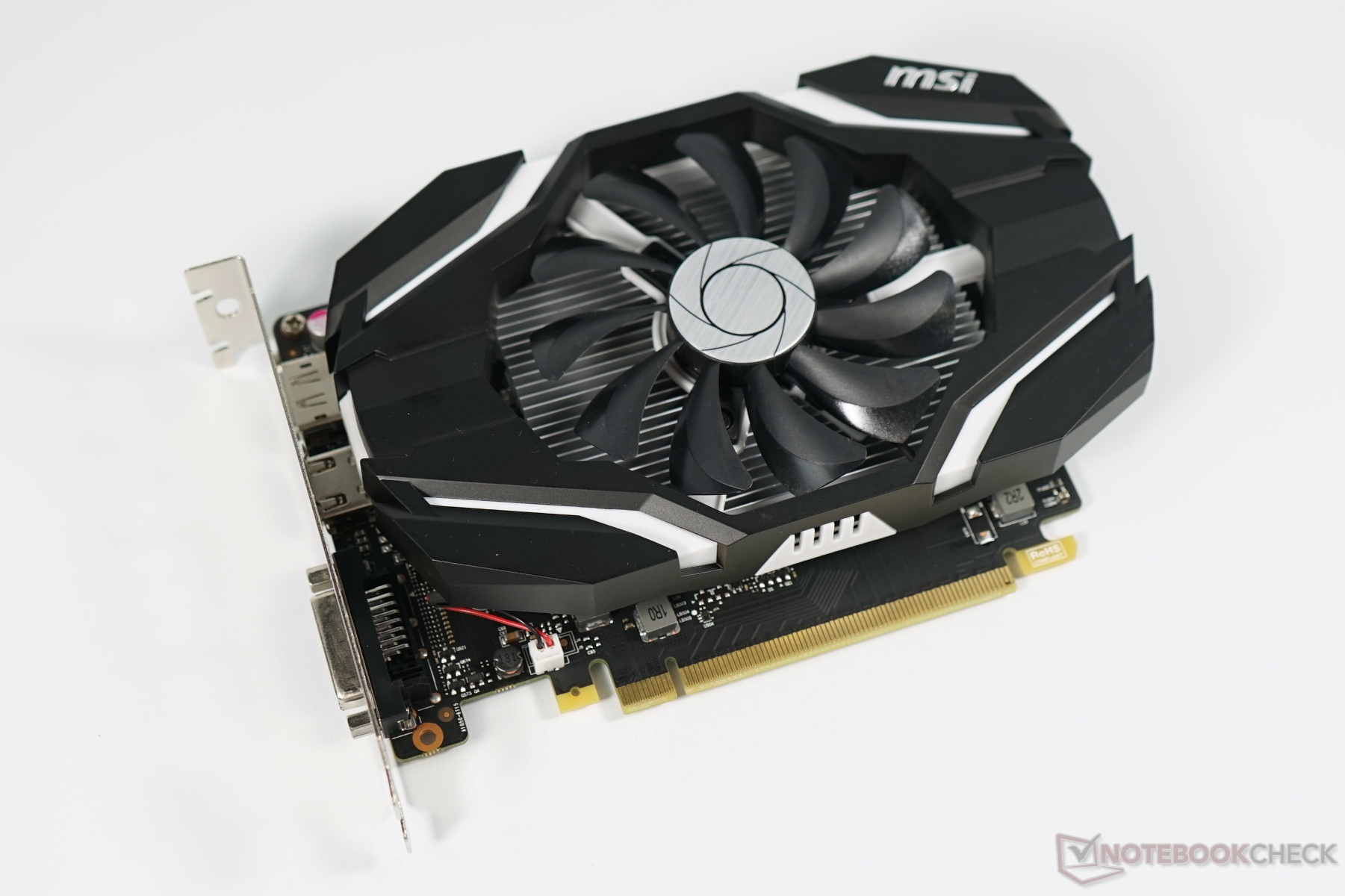
The Nvidia GeForce GTX 1050 Ti (N17P-G1) for desktops is an entry level gaming graphics card that was announced late 2016. It is based on the GP107 chip using the Pascal architecture and manufactured in 14nm FinFET at Samsung (the bigger Pascal chips are manufactured in 16nm at TSMC). Usually it is equipped with 4 GB GDDR5 memory with a 7 Gbps data rate. The mobile GTX 1050 Ti version should be announced later (beginning of 2017) and feature similar specs.
The performance of the GTX 1050 lies between the Radeon RX 460 and the RX 470 on a similar level of the old GeForce GTX 960 (or 970M). Therefore, the card is most suited for 1080p gaming at high detail settings (but not maximum settings).
See our extensive review of the MSI GeForce GTX 1050 Ti for more information on power consumption, benchmarks and noise level.
| AMD Radeon Graphics (Ryzen 7000) | NVIDIA GeForce GTX 1050 Ti (Desktop) | ||||||||||||||||||||||||||||||||||||||||||||||||||||||||||||||||||||||||||||
| GeForce GTX 1000 Series |
|
| |||||||||||||||||||||||||||||||||||||||||||||||||||||||||||||||||||||||||||
| Codename | Raphael | N17P-G1 | |||||||||||||||||||||||||||||||||||||||||||||||||||||||||||||||||||||||||||
| Architecture | RDNA 2 | Pascal | |||||||||||||||||||||||||||||||||||||||||||||||||||||||||||||||||||||||||||
| iGPU | Integrated Graphics | ||||||||||||||||||||||||||||||||||||||||||||||||||||||||||||||||||||||||||||
| Pipelines | 128 - unified | 768 - unified | |||||||||||||||||||||||||||||||||||||||||||||||||||||||||||||||||||||||||||
| TMUs | 8 | ||||||||||||||||||||||||||||||||||||||||||||||||||||||||||||||||||||||||||||
| ROPs | 4 | ||||||||||||||||||||||||||||||||||||||||||||||||||||||||||||||||||||||||||||
| Raytracing Cores | 1 | ||||||||||||||||||||||||||||||||||||||||||||||||||||||||||||||||||||||||||||
| Core Speed | 2200 (Boost) MHz | 1290 - 1392 (Boost) MHz | |||||||||||||||||||||||||||||||||||||||||||||||||||||||||||||||||||||||||||
| Shared Memory | yes | no | |||||||||||||||||||||||||||||||||||||||||||||||||||||||||||||||||||||||||||
| API | DirectX 12_2, OpenGL 4.6 | DirectX 12_1, OpenGL 4.5 | |||||||||||||||||||||||||||||||||||||||||||||||||||||||||||||||||||||||||||
| Transistors | 3.4 Billion | ||||||||||||||||||||||||||||||||||||||||||||||||||||||||||||||||||||||||||||
| Die Size | 122 mm² | ||||||||||||||||||||||||||||||||||||||||||||||||||||||||||||||||||||||||||||
| technology | 6 nm | 16 nm | |||||||||||||||||||||||||||||||||||||||||||||||||||||||||||||||||||||||||||
| Date of Announcement | 26.09.2022 | 25.10.2016 | |||||||||||||||||||||||||||||||||||||||||||||||||||||||||||||||||||||||||||
| Memory Speed | 7008 MHz | ||||||||||||||||||||||||||||||||||||||||||||||||||||||||||||||||||||||||||||
| Memory Bus Width | 128 Bit | ||||||||||||||||||||||||||||||||||||||||||||||||||||||||||||||||||||||||||||
| Memory Type | GDDR5 | ||||||||||||||||||||||||||||||||||||||||||||||||||||||||||||||||||||||||||||
| Max. Amount of Memory | 4 GB | ||||||||||||||||||||||||||||||||||||||||||||||||||||||||||||||||||||||||||||
| Features | Multi-Projection, VR Ready, G-SYNC, Vulkan, Multi Monitor |

| |||||||||||||||||||||||||
Benchmarks
3DM Vant. Perf. total + AMD Radeon Graphics (Ryzen 7000)
Cinebench R15 OpenGL 64 Bit + AMD Radeon Graphics (Ryzen 7000)
 - Average benchmark values for this graphics card
* Smaller numbers mean a higher performance
Average Benchmarks
AMD Radeon Graphics (Ryzen 7000) → 100% n=16
NVIDIA GeForce GTX 1050 Ti (Desktop) → 285% n=16
Game Benchmarks
The following benchmarks stem from our benchmarks of review laptops. The performance depends on the used graphics memory, clock rate, processor, system settings, drivers, and operating systems. So the results don't have to be representative for all laptops with this GPU. For detailed information on the benchmark results, click on the fps number.

F1 25
2025
Doom: The Dark Ages
2025
Civilization 7
2025
Monster Hunter Wilds
2025


Black Myth: Wukong
2024
Cyberpunk 2077
2023
Baldur's Gate 3
2023

F1 22
2022
Halo Infinite
2021

F1 2021
2021
Cyberpunk 2077 1.0
2020

F1 2020
2020
Gears Tactics
2020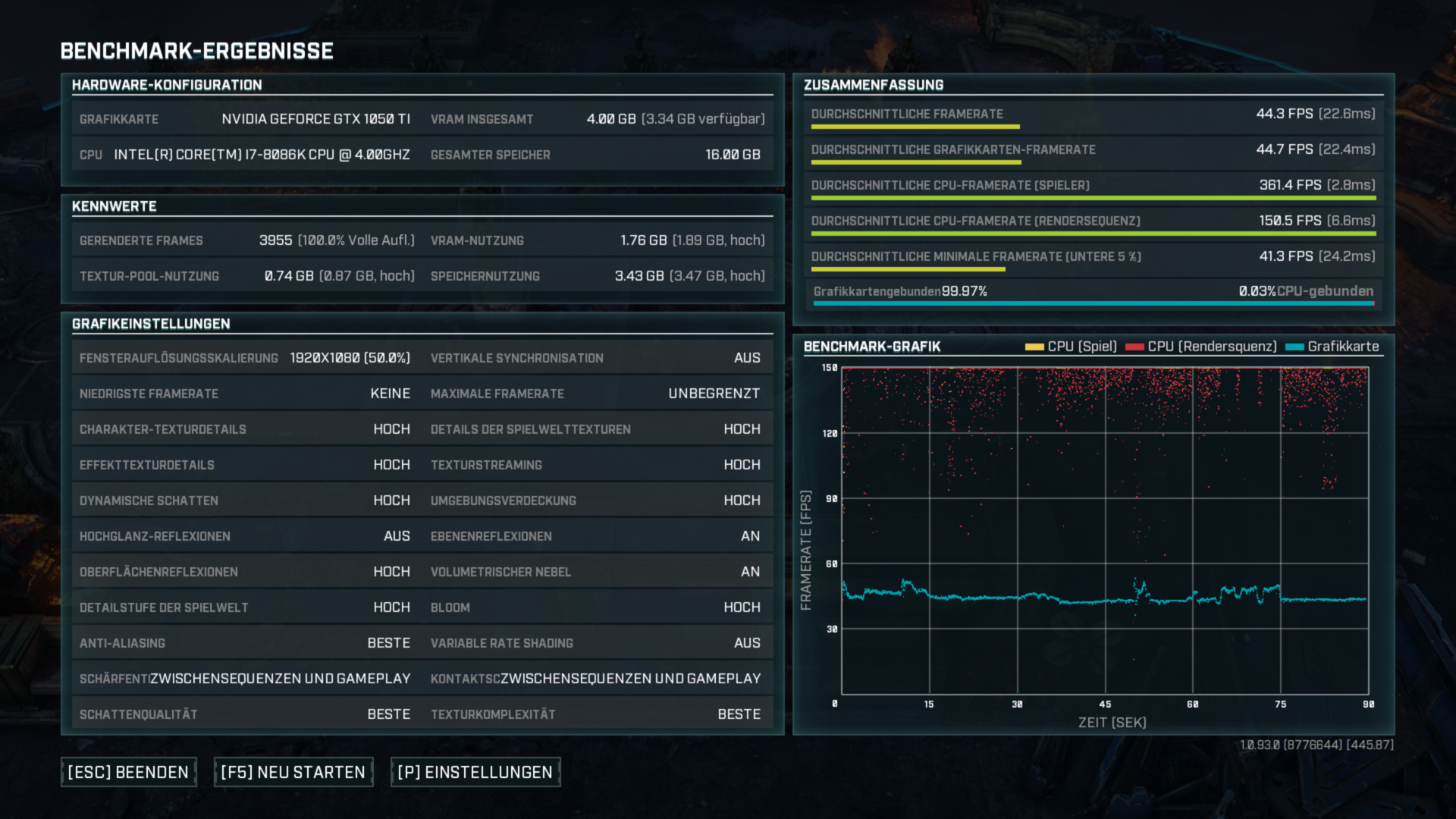

Doom Eternal
2020
Hunt Showdown
2020
Escape from Tarkov
2020


FIFA 20
2019
Borderlands 3
2019
Control
2019
F1 2019
2019

The Division 2
2019
Dirt Rally 2.0
2019
Far Cry New Dawn
2019
Metro Exodus
2019
Apex Legends
2019
Just Cause 4
2018
Darksiders III
2018
Battlefield V
2018
Farming Simulator 19
2018
Fallout 76
2018


Forza Horizon 4
2018
FIFA 19
2018

Strange Brigade
2018
F1 2018
2018

X-Plane 11.11
2018


Fortnite
2018

Rocket League
2017
Prey
2017


For Honor
2017
Resident Evil 7
2017
Watch Dogs 2
2016
Dishonored 2
2016

Titanfall 2
2016
Farming Simulator 17
2016
Battlefield 1
2016
Civilization 6
2016
Mafia 3
2016
FIFA 17
2016

No Man's Sky
2016

Overwatch
2016
Doom
2016

Hitman 2016
2016
Far Cry Primal
2016

Rainbow Six Siege
2015


Anno 2205
2015
World of Warships
2015
Mad Max
2015
Dota 2 Reborn
2015
The Witcher 3
2015
Dirt Rally
2015
GTA V
2015

Alien: Isolation
2014

Battlefield 4
2013
BioShock Infinite
2013

Metro 2033
2010Average Gaming AMD Radeon Graphics (Ryzen 7000) → 100%
Average Gaming 30-70 fps → 100%
Average Gaming NVIDIA GeForce GTX 1050 Ti (Desktop) → 354%
Average Gaming 30-70 fps → 381%
For more games that might be playable and a list of all games and graphics cards visit our Gaming List


 Add as a preferred