




AMD Ryzen 7 7800X3D vs Intel Core i9-14900K
AMD Ryzen 7 7800X3D
► remove from comparison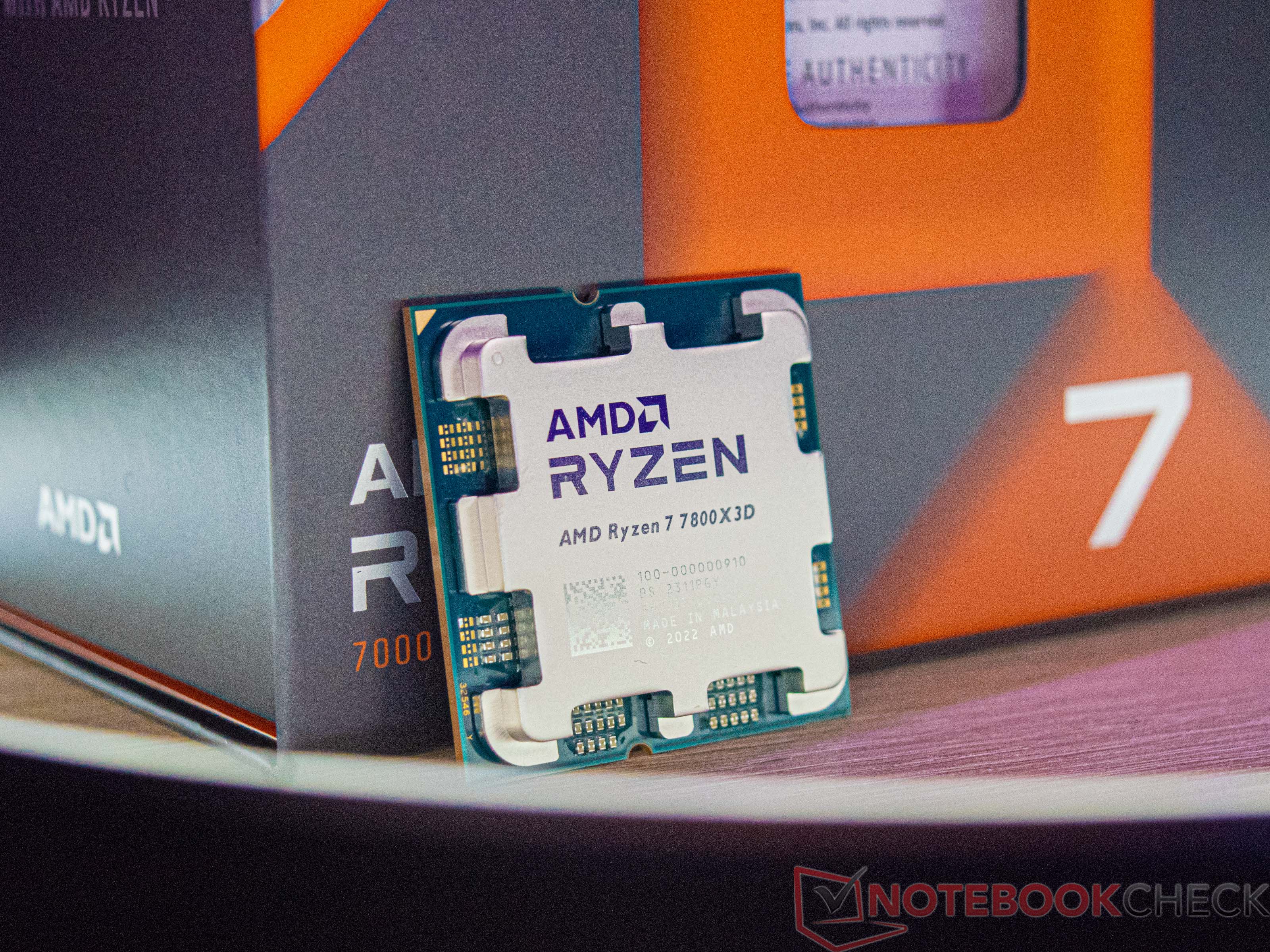
The AMD Ryzen 7 7800X3D is a high-end desktop processor from the Raphael series with 8 Zen 4 cores and SMT (Simultaneous Multithreading), allowing it to handle up to 16 threads simultaneously. After its announcement in January 2023 at CES in Las Vegas, it was launched in April 2023. Following the launch of the two top models, the AMD Ryzen 9 7900X3D and the AMD Ryzen 9 7950X3D, the third model was introduced, which offers significantly more gaming performance with the 3D V-Cache.
The CPU cores have a base clock of 4.2 GHz and can be boosted up to 5 GHz (single-core turbo). The AMD Ryzen 7 7800X3D features a CCD with 8 cores, which includes the fast 3D V-Cache. This differs significantly from the two Ryzen 9 models, as they have two CCDs, but only one of them can utilize the 3D V-Cache.
The performance of the AMD Ryzen 7 7800X3D is consistently good, although its multi-threaded performance suffers a bit due to the eight native compute cores. However, the real strength of the AMD Ryzen 7 7800X3D lies in gaming performance, where it excels. In tests, we see consistently high gaming performance, even surpassing that of an Intel Core i9-13900K.
In terms of power consumption, the AMD Ryzen 7 7800X3D aligns with the other two models featuring 3D V-Cache, making the 8-core processor extremely power-efficient. In numbers, this means that the AMD Ryzen 7 7800X3D is specified with a TDP of up to 120 watts. The PPT (Package Power Tracking) is also rated up to 162 watts. For comparison, an AMD Ryzen 9 7950X is specified with 170 watts (TDP) or 230 watts (PPT).
Intel Core i9-14900K
► remove from comparison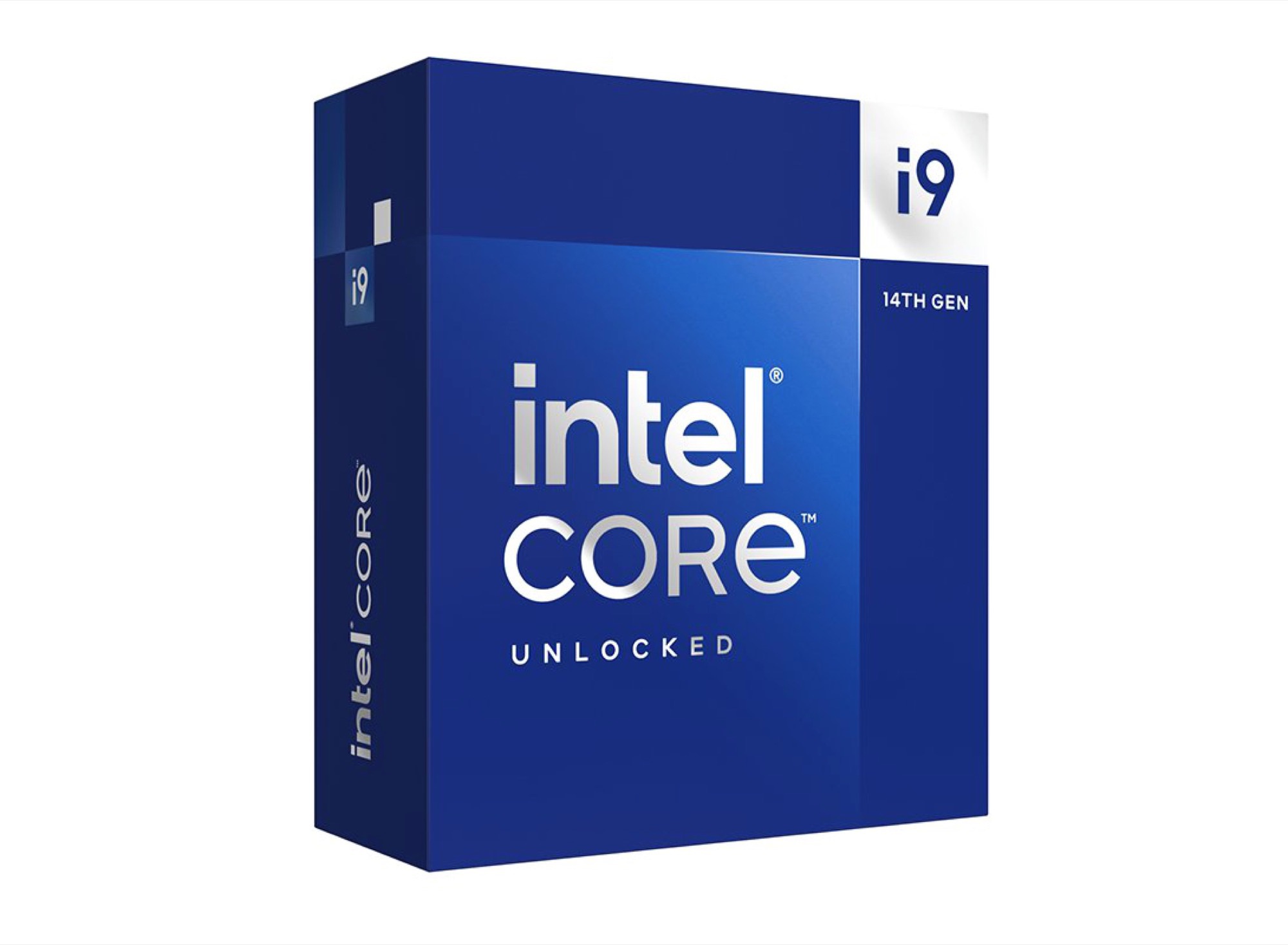
The Intel Core i9-14900K is a high-end processor based on the Raptor Lake architecture, similar to the Intel Core i9-13900K last year. The base clock is 3.2 GHz and can reach up to 6 GHz under optimal conditions. The total of 32 threads are still divided into 8 P and 16 E cores. The 8 performance cores (P-cores) also offer hyperthreading, which means that a total of 32 threads can be processed simultaneously in conjunction with the 16 energy-efficient E-cores. As before, the K models continue to offer a freely selectable multiplier, which simplifies overclocking. The Intel Core i9-14900K uses the same CPU socket (LGA 1700) as the Intel Core i9-13900K. This means you don't necessarily need a new motherboard, as the 600 series chipsets support the new processors after a BIOS update. There is also still the option of using DDR4 for the RAM.
Performance
Compared to the Intel Core i9-13900K, the Core i9-14900K still offers 8 P-cores, which are relieved by 16 additional E-cores for demanding applications and thus ensure very high multi-thread performance. In comparison, however, the Intel Core i9-14900K can only gain a slight lead. The e-cores primarily take care of background applications. The hybrid architecture relies on the Intel Thread Director, which is responsible for the correct allocation of tasks. Meanwhile, the IPC could only be increased slightly. As an innovation with the Intel Core i9-14900K, the manufacturer is increasingly relying on AI, which is also used for overclocking. With one click in the Intel Extreme Utility, the tool checks the entire system and makes the necessary settings.
Graphics unit
Like the Intel Core i9-13900K, the Intel Core i9-14900K offers an integrated graphics unit. The Intel Iris Xe architecture continues to serve as the basis. In terms of performance, however, nothing has changed with the Intel UHD Graphics 770.
Power consumption
The Intel Core i9-14900K is specified with a TDP of 125 watts, which corresponds to the PL1 value. In Boost mode, the processor's performance can increase to up to 253 watts (PL2). However, this requires very good cooling. Compared to the Intel Core i9-13900K, the specified power consumption does not increase if the limits are adhered to. The situation is different if the limits are deactivated. As this value depends on the overall system, we cannot make an exact statement on this.
| Model | AMD Ryzen 7 7800X3D | Intel Core i9-14900K | ||||||||||||||||||||||||||||||||||||||||||||||||||||||||||||
| Codename | Raphael (Zen4) | Raptor Lake | ||||||||||||||||||||||||||||||||||||||||||||||||||||||||||||
| Series | AMD Raphael (Zen 4, Ryzen 7000) | Intel Raptor Lake-R | ||||||||||||||||||||||||||||||||||||||||||||||||||||||||||||
| Series: Raptor Lake-R Raptor Lake |
|
| ||||||||||||||||||||||||||||||||||||||||||||||||||||||||||||
| Clock | 4200 - 5000 MHz | 3200 - 6000 MHz | ||||||||||||||||||||||||||||||||||||||||||||||||||||||||||||
| L1 Cache | 512 KB | |||||||||||||||||||||||||||||||||||||||||||||||||||||||||||||
| L2 Cache | 8 MB | 32 MB | ||||||||||||||||||||||||||||||||||||||||||||||||||||||||||||
| L3 Cache | 96 MB | 36 MB | ||||||||||||||||||||||||||||||||||||||||||||||||||||||||||||
| Cores / Threads | 8 / 16 | 24 / 32 8 x 6.0 GHz Intel Raptor Cove P-Core 16 x 4.4 GHz Intel Gracemont E-Core | ||||||||||||||||||||||||||||||||||||||||||||||||||||||||||||
| TDP | 120 Watt | 125 Watt | ||||||||||||||||||||||||||||||||||||||||||||||||||||||||||||
| TDP Turbo PL2 | 162 Watt | |||||||||||||||||||||||||||||||||||||||||||||||||||||||||||||
| Transistors | 6570 Million | |||||||||||||||||||||||||||||||||||||||||||||||||||||||||||||
| Technology | 5 nm | 10 nm | ||||||||||||||||||||||||||||||||||||||||||||||||||||||||||||
| Voltage | 1.1 - 1.2 V | |||||||||||||||||||||||||||||||||||||||||||||||||||||||||||||
| Die Size | 193 mm2 | 257 mm2 | ||||||||||||||||||||||||||||||||||||||||||||||||||||||||||||
| max. Temp. | 89 °C | 100 °C | ||||||||||||||||||||||||||||||||||||||||||||||||||||||||||||
| Socket | AM5 (LGA 1718) | LGA 1700 | ||||||||||||||||||||||||||||||||||||||||||||||||||||||||||||
| Features | MMX, SSE, SSE2, SSE3, SSSE3, SSE4.1, SSE4.2, SSE4A, x86-64, AMD-V, AES, AVX, AVX2, AVX512, BMI1, BMI2, F16C, FMA3, AMD64, EVP, AMD-V, SMAP, SMEP, SMT SHA, XFR2, Precision Boost 2 | Intel UHD Graphics 770, DDR5 5600 MT/s, DDR4 3200 MT/s | ||||||||||||||||||||||||||||||||||||||||||||||||||||||||||||
| iGPU | AMD Radeon Graphics (Ryzen 7000) (400 - 2200 MHz) | Intel UHD Graphics 770 (300 - 1650 MHz) | ||||||||||||||||||||||||||||||||||||||||||||||||||||||||||||
| Architecture | x86 | x86 | ||||||||||||||||||||||||||||||||||||||||||||||||||||||||||||
| $449 U.S. | $589 U.S. | |||||||||||||||||||||||||||||||||||||||||||||||||||||||||||||
| Announced | ||||||||||||||||||||||||||||||||||||||||||||||||||||||||||||||
| Manufacturer | ark.intel.com |

Benchmarks

Average Benchmarks AMD Ryzen 7 7800X3D → 100% n=52
Average Benchmarks Intel Core i9-14900K → 147% n=52
 - Average benchmark values for this graphics card
* Smaller numbers mean a higher performance
1 This benchmark is not used for the average calculation


 Add as a preferred