




AMD Ryzen 7 7840HS vs AMD Ryzen 7 6800H vs AMD Ryzen 9 6900HS
AMD Ryzen 7 7840HS
► remove from comparison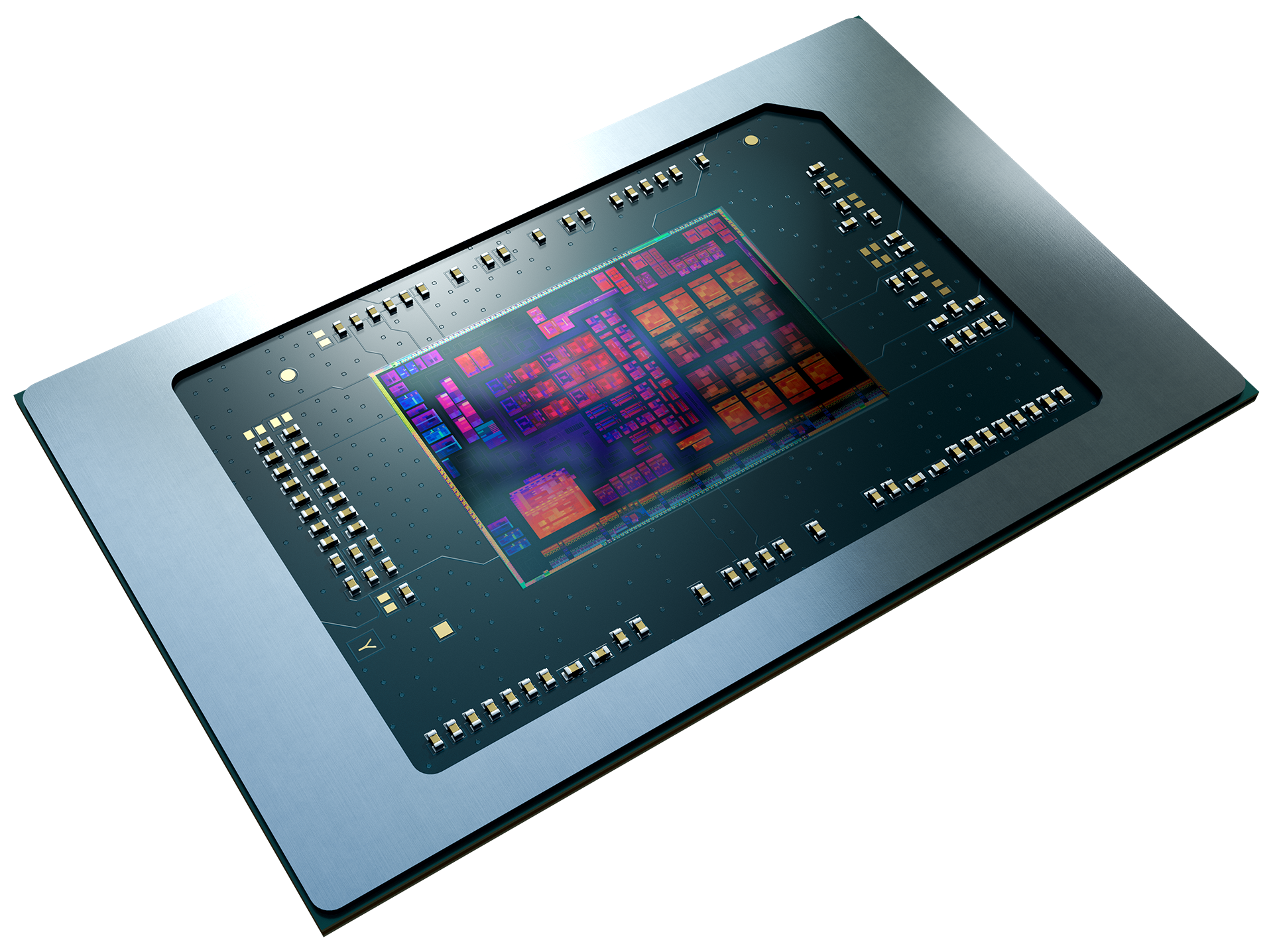
The Ryzen 7 7840HS is a powerful Phoenix family chip that saw the light of day in H1 2023. The processor features 8 cores (16 threads thanks to SMT support) running at 3.8 GHz. The highest Boost clock speed achievable is 5.1 GHz.
Not only does this APU has full might of the Zen 4 architecture at its disposal, it also comes with the new Ryzen AI technology that's set to make generative AI more ubiquitous than ever before. Last but not the least, the Radeon 780M serves as the integrated GPU.
Architecture & Features
Phoenix family chips are powered by the Zen 4 architecture, much like Dragon Range family chips are. The latter however lacks hardware AI workload acceleration capabilities that Phoenix has. Ryzen AI is coming after Intel's DL Boost and GNA technologies; time will tell if this move by AMD is a good idea.
Perhaps more importantly, Zen 4 introduces AVX512 support (which Zen 3 chips did not have) and, thanks to a plethora of other improvements including larger caches/registers/buffers across the board, is set to bring a double-digit IPC improvement.
Elsewhere, the 7840HS has 16 MB of L3 cache and a seriously fast RAM controller (up to LPDDR5x-7500 and up to DDR5-5600, ECC-enabled memory included). PCI-Express speeds are capped at 1.97 GB/s per lane which corresponds to the 4.0 spec.
This Ryzen 7 series chip is designed to run 64-bit Windows 11, 64-bit Windows 10 or Linux; please note that it isn't overclockable and neither is it user-replaceable. It gets soldered down for good instead (FP7, FP7r2, FP8 socket interfaces).
Performance
The average 7840HS in our database is in the same league as the Core i7-12700H, Core i7-12850HX, Core i9-12900H, Core i9-13900H and also the Ryzen 9 7940HS, as far as multi-thread benchmark scores are concerned. This is a very fast chip, as of Q3 2023.
Your mileage may vary depending on how high the CPU power limits are and how competent the cooling solution of your system is.
Graphics
The Radeon 780M (12 CUs / 768 shaders, up to 2,700 MHz) is capable of powering 4 monitors simultaneously with resolutions as high as SUHD 4320p. It will also have little issue hardware-encoding and hardware-decoding the most widely used video codecs (AV1, HEVC, AVC). As far as gaming is concerned, the thing will let you play most games at 1080p as long as you are fine with moderate quality settings. Long story short, this is the best iGPU money can buy, as of H2 2023.
Your mileage may vary depending on how high the CPU power limits are, how competent the cooling solution of your system is, how fast the RAM of your system is (there is no dedicated VRAM here).
Power consumption
This Ryzen 7 series chip has a long-term power limit (default TDP) of 35 W to 54 W, giving system makers a choice between improving battery life and making the system they're designing insanely fast. Either way, an active cooling solution is a must for a laptop or a mini-PC built around this APU.
The 7840HS is built with TSMC's 4 nm process for high, as of late 2023, energy efficiency.
AMD Ryzen 7 6800H
► remove from comparison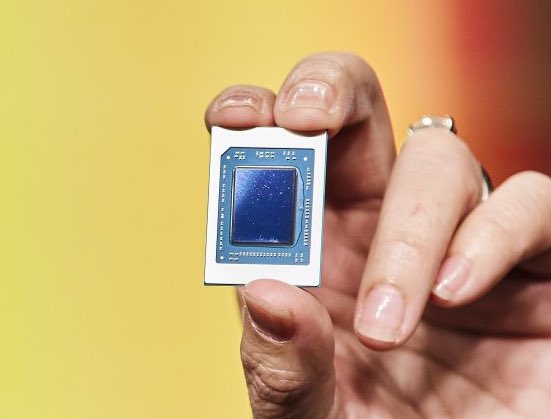
The AMD Ryzen 7 6800H is a processor for big (gaming) laptops based on the Rembrandt generation. The R7 6800H integrates all eight cores based on the Zen 3+ microarchitecture. They are clocked at 3.2 (guaranteed base clock) to 4.7 GHz (Turbo) and support SMT / Hyperthreading (16 threads). The chip is manufactured on the modern 6 nm TSMC process.
The new Zen 3+ is a refresh of the Zen 3 architecture and should not offer a lot of changes. The chip itself however, offers a lot of new features, like support for USB 4 (40 Gbps), PCI-E Gen 4, DDR5-4800MT/s or LPDDR5-6400MT/s, WiFi 6E, Bluetooth LE 5.2, DisplayPort 2, and AV1 decode.
A big novelty is the integrated GPU Radeon 680M that is now based on the RDNA2 architecture and offers 12 CUs at up to 2.2 GHz. It should be the fastest iGPU of all at the time of announcement.
Performance
The average 6800H in our database is in the same league as the Core i5-12500H and the Core i7-12650H, as far as multi-thread benchmark scores are concerned. The Ryzen 9 5900HX is found close nearby as well.
Thanks to its decent cooling solution and a long-term CPU power limit of 90 W, the Legion 5 Pro 16ARH7H is among the fastest systems built around the 6800H that we know of. It can be about 60% faster in CPU-bound workloads than the slowest system featuring the same chip in our database, as of August 2023.
Power consumption
This Ryzen 7 series chip has a default TDP, also known as the long-term power limit, of 45 W. An active cooling solution is a must for a CPU like this.
The R7 6800H is built with TSMC's 6 nm manufacturing process for above average, as of mid 2023, energy efficiency.
AMD Ryzen 9 6900HS
► remove from comparisonThe AMD Ryzen 9 6900HS is a processor for big (gaming) laptops based on the Rembrandt generation. The R9 6900HS integrates all eight cores based on the Zen 3+ microarchitecture. They are clocked at 3.3 (guaranteed base clock) to 4.9 GHz (Turbo) and support SMT / Hyperthreading (16 threads). The chip is manufactured on the modern 6 nm TSMC process. The HS variant offers a 10 W lower TDP and therefore a lower sustained performance than the HX version.
The new Zen 3+ is a refresh of the Zen 3 architecture and should not offer a lot of changes. The chip itself however, offers a lot of new features, like support for USB 4 (40 Gbps), PCI-E Gen 4, DDR5-4800MT/s or LPDDR5-6400MT/s, WiFi 6E, Bluetooth LE 5.2, DisplayPort 2, and AV1 decode.
Performance
The average 6900HS in our database matches the Intel Core i7-12800H in multi-thread performance while managing to keep up with the more power-hungry 6900HX. "Top of the crop" is precisely the right phrase to describe this Ryzen 9 series chip, as of Q4 2022, and it will have no difficulty ripping through any task imaginable for years to come.
Your mileage may vary depending on how high the CPU power limits are, and how competent the cooling solution of your system is.
A big novelty is the integrated GPU Radeon 680M, that is now based on the RDNA2 architecture and offers 12 CUs at up to 2.4 GHz. It should be the fastest iGPU of all at the time of announcement.
The TDP of the APU is specified at 35 Watts and therefore better suited for thin and light laptops. The power efficiency should be very good, thanks to the improved 6 nm process and additional power saving features in the 6000 series.
| Model | AMD Ryzen 7 7840HS | AMD Ryzen 7 6800H | AMD Ryzen 9 6900HS | ||||||||||||||||||||||||||||||||||||||||||||||||||||||||||||||||||||||||||||
| Codename | Phoenix-HS (Zen 4) | Rembrandt-H (Zen 3+) | Rembrandt-H (Zen 3+) | ||||||||||||||||||||||||||||||||||||||||||||||||||||||||||||||||||||||||||||
| Series | AMD Phoenix (Zen 4) | AMD Rembrandt (Zen 3+) | AMD Rembrandt (Zen 3+) | ||||||||||||||||||||||||||||||||||||||||||||||||||||||||||||||||||||||||||||
| Series: Rembrandt (Zen 3+) Rembrandt-H (Zen 3+) |
|
|
| ||||||||||||||||||||||||||||||||||||||||||||||||||||||||||||||||||||||||||||
| Clock | 3800 - 5100 MHz | 3200 - 4700 MHz | 3300 - 4900 MHz | ||||||||||||||||||||||||||||||||||||||||||||||||||||||||||||||||||||||||||||
| L1 Cache | 512 KB | 512 KB | 512 KB | ||||||||||||||||||||||||||||||||||||||||||||||||||||||||||||||||||||||||||||
| L2 Cache | 8 MB | 4 MB | 4 MB | ||||||||||||||||||||||||||||||||||||||||||||||||||||||||||||||||||||||||||||
| L3 Cache | 16 MB | 16 MB | 16 MB | ||||||||||||||||||||||||||||||||||||||||||||||||||||||||||||||||||||||||||||
| Cores / Threads | 8 / 16 | 8 / 16 | 8 / 16 | ||||||||||||||||||||||||||||||||||||||||||||||||||||||||||||||||||||||||||||
| TDP | 35 Watt | 45 Watt | 35 Watt | ||||||||||||||||||||||||||||||||||||||||||||||||||||||||||||||||||||||||||||
| Technology | 4 nm | 6 nm | 6 nm | ||||||||||||||||||||||||||||||||||||||||||||||||||||||||||||||||||||||||||||
| Die Size | 178 mm2 | ||||||||||||||||||||||||||||||||||||||||||||||||||||||||||||||||||||||||||||||
| max. Temp. | 100 °C | 95 °C | 95 °C | ||||||||||||||||||||||||||||||||||||||||||||||||||||||||||||||||||||||||||||
| Socket | FP7/FP7r2/FP8 | FP7/FP7r2 | FP7/FP7r2 | ||||||||||||||||||||||||||||||||||||||||||||||||||||||||||||||||||||||||||||
| Features | DDR5-5600/LPDDR5x-7500 RAM (incl. ECC), PCIe 4, Ryzen AI, MMX, SSE, SSE2, SSE3, SSSE3, SSE4A, SSE4.1, SSE4.2, AVX, AVX2, AVX-512, BMI2, ABM, FMA, ADX, SMEP, SMAP, SMT, CPB, AES-NI, RDRAND, RDSEED, SHA, SME | DDR5-4800/LPDDR5-6400 RAM (incl. ECC), PCIe 4, MMX, SSE, SSE2, SSE3, SSSE3, SSE4A, SSE4.1, SSE4.2, AVX, AVX2, BMI2, ABM, FMA, ADX, SMEP, SMAP, SMT, CPB, AES-NI, RDRAND, RDSEED, SHA, SME | DDR5-4800/LPDDR5-6400 RAM (incl. ECC), PCIe 4, MMX, SSE, SSE2, SSE3, SSSE3, SSE4A, SSE4.1, SSE4.2, AVX, AVX2, BMI2, ABM, FMA, ADX, SMEP, SMAP, SMT, CPB, AES-NI, RDRAND, RDSEED, SHA, SME | ||||||||||||||||||||||||||||||||||||||||||||||||||||||||||||||||||||||||||||
| iGPU | AMD Radeon 780M ( - 2700 MHz) | AMD Radeon 680M ( - 2200 MHz) | AMD Radeon 680M ( - 2400 MHz) | ||||||||||||||||||||||||||||||||||||||||||||||||||||||||||||||||||||||||||||
| NPU / AI | 10 TOPS INT8 | ||||||||||||||||||||||||||||||||||||||||||||||||||||||||||||||||||||||||||||||
| Architecture | x86 | x86 | x86 | ||||||||||||||||||||||||||||||||||||||||||||||||||||||||||||||||||||||||||||
| Announced | |||||||||||||||||||||||||||||||||||||||||||||||||||||||||||||||||||||||||||||||
| Manufacturer | www.amd.com | www.amd.com | www.amd.com |
Benchmarks

Average Benchmarks AMD Ryzen 7 7840HS → 100% n=51
Average Benchmarks AMD Ryzen 7 6800H → 82% n=51
Average Benchmarks AMD Ryzen 9 6900HS → 84% n=51
 - Average benchmark values for this graphics card
* Smaller numbers mean a higher performance
1 This benchmark is not used for the average calculation


 Add as a preferred