




NASA's James Webb Space Telescope reveals a new image of a nebula surrounding a dying star
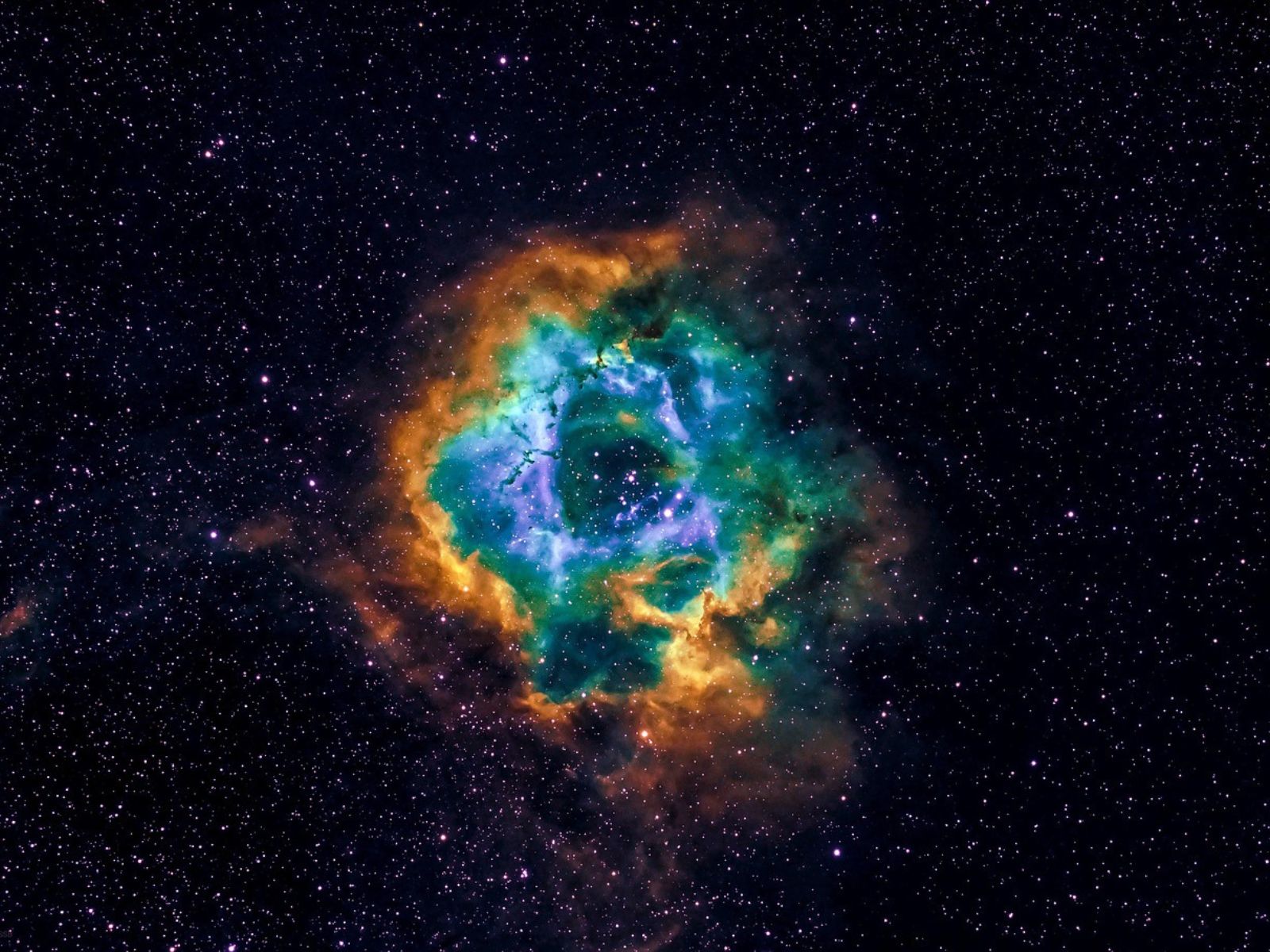
The Exposed Cranium Nebula, also known as PMR 1, is a nebula discovered in 2000 and located approximately 5,000 light-years from Earth. Composed of dust and gas, it is a very mysterious structure.
However, NASA recently unveiled images taken by the James Webb Space Telescope that highlight its particular appearance. Indeed, the telescope's devices, including the NIRCam (Near-Infrared Camera) and the MIRI (Mid-Infrared Instrument), allow us to see things that were not visible before.
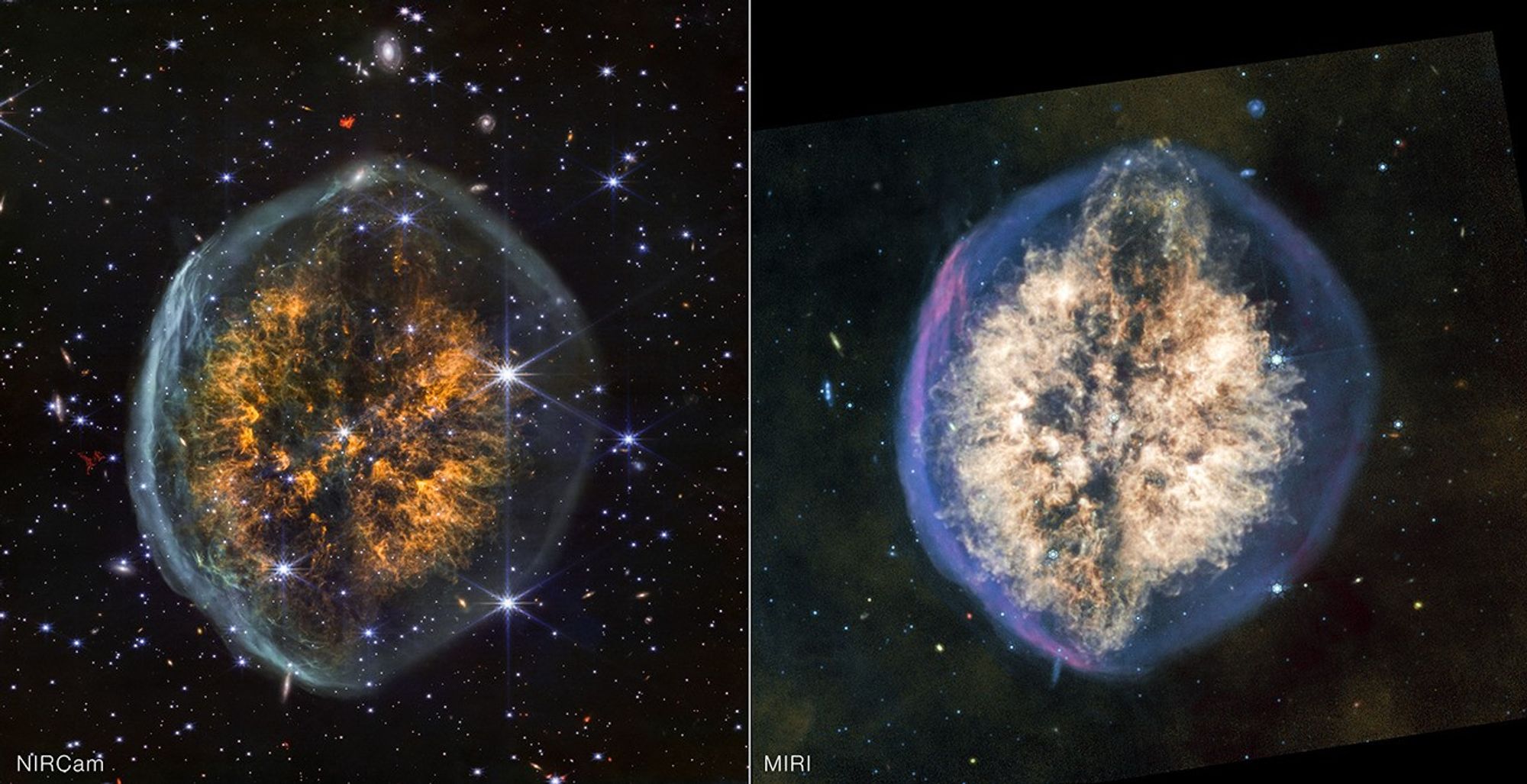
In this image showing the results obtained by the two instruments, it is possible to see the different phases of the evolution of this nebula. Its outer shell of gas is composed of hydrogen, and in the center, we can see an inner cloud with a higher concentration of gas. Two dark twin jets are also visible in the middle of this structure, and they could be caused by the central star.
As for the star that caused this nebula, its origin remains a mystery. While astronomers know that this celestial object is at the end of its life, they do not know its mass. In other words, its fate is uncertain. It could turn into a supernova or, conversely, become a white dwarf if its mass is too low. But given this image, it is possible that some astronomers might be interested in this nebula. And further research could help unravel other mysteries and provide a better understanding of these phenomena.
Source(s)
Image source: NASA, ESA, CSA, STScI; Image Processing: Joseph DePasquale (STScI)
 Add as a preferred source on Google


