




This NASA technology meant for space now powers everyday life
For a very long time, space observation relied on CCD (charge-coupled device) sensors, including the Hubble Space Telescope. This sensor operates by converting incoming light into electrical charge within its pixels. The accumulated charge is transferred across the chip to an output node, where it is converted into a voltage signal that forms an image. However, CCDs were not optimal due to their sensitivity to radiation, high cost, and high energy consumption.
Eric Fossum joined the NASA Jet Propulsion Laboratory with the task of improving the CCDs for space. Instead, he improved a different technology, the CMOS (complementary metal-oxide semiconductor) image sensor technology. He did this by using a technique from the CCD technology called the intra-pixel charge transfer with correlated double sampling. This technique canceled out the background noise, resulting in clearer images and a higher signal-to-noise ratio. This invention created the CMOS Active Pixel Sensor (APS), also called the ‘camera-on-a-chip.’
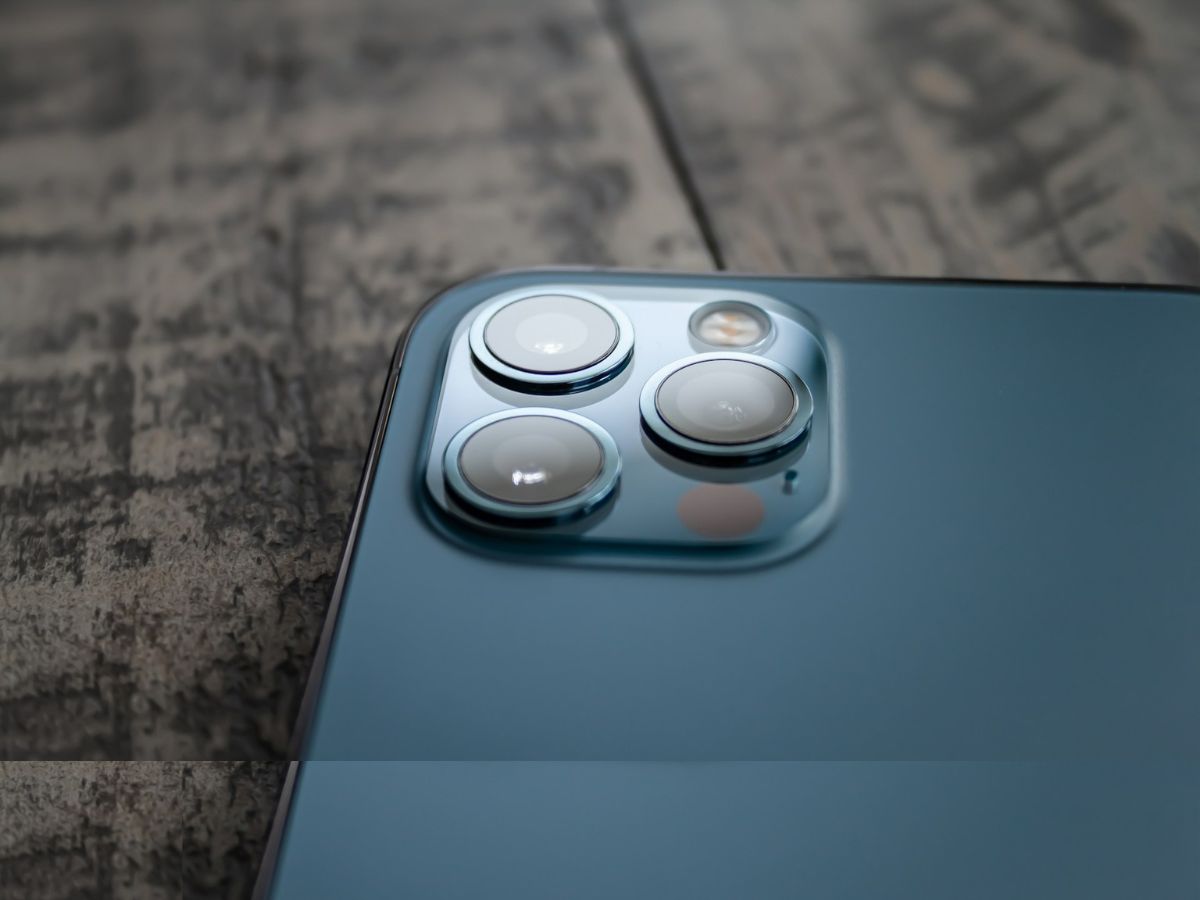
Subsequently, companies partnered with NASA, and the technology was refined and incorporated into everyday gadgets. Today, CMOS sensors are found in phones, cars, swallowable pill cameras, webcams, digital cameras, and more. This innovation not only advanced space exploration but also transformed everyday technology.
Source(s)
 Add as a preferred source on Google


