




The Euclid and Hubble telescopes reveal two new detailed images of the Cat’s Eye Nebula
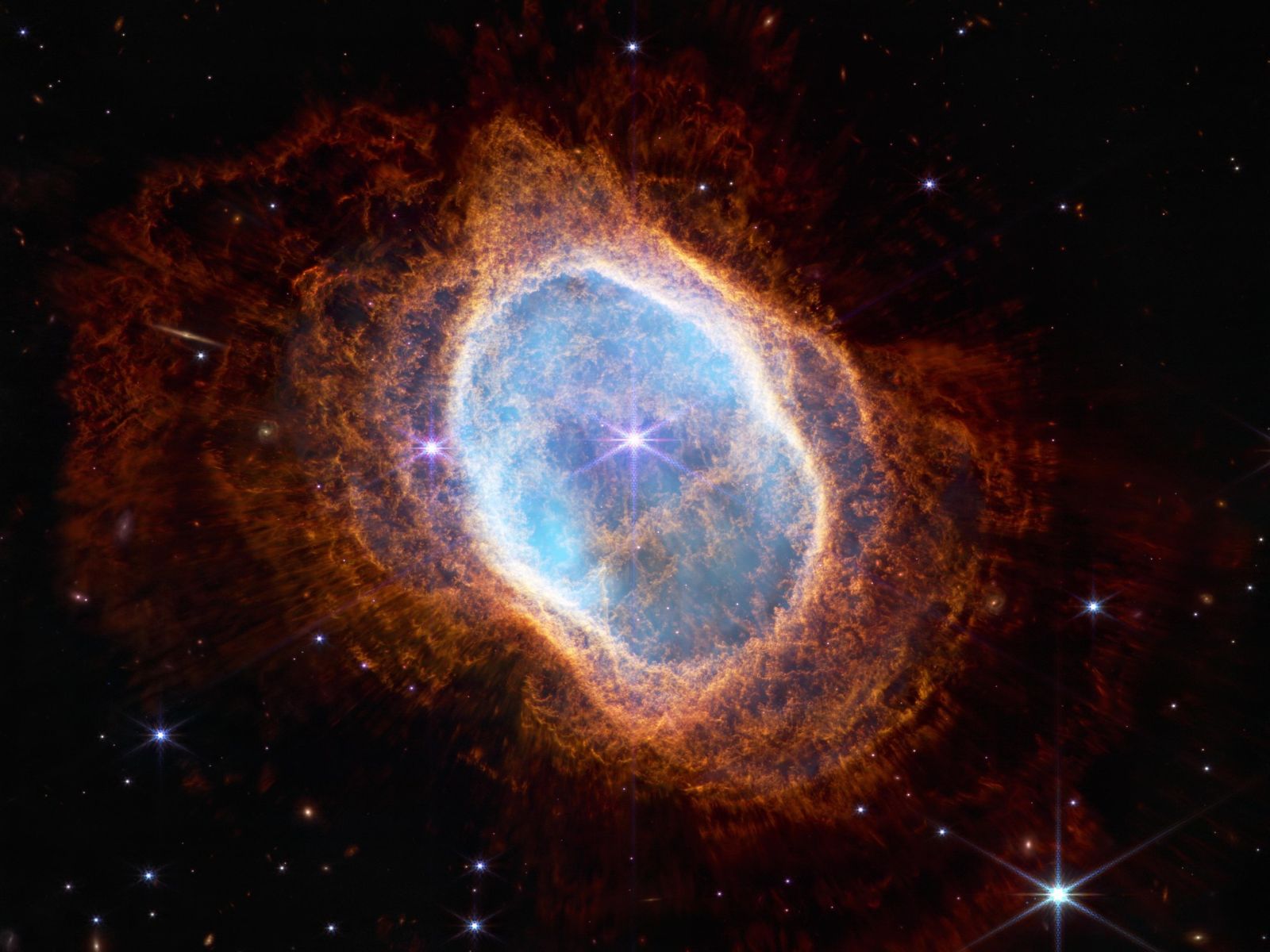
Nebulae are structures in space that fascinate astronomers because of their composition. Indeed, when a star reaches the end of its life, it goes through several stages, some of which are still unknown.
This is the case with the Cat's Eye Nebula, also known as NGC 6543, located approximately 4,400 light-years from Earth. Discovered in 1864, the first observations allowed astronomers to understand that the rounded shape of these nebulae was expanding gas surrounding the star. Then, in 1995, the Hubble Space Telescope studied this structure, providing a better understanding of the planetary nebulae.
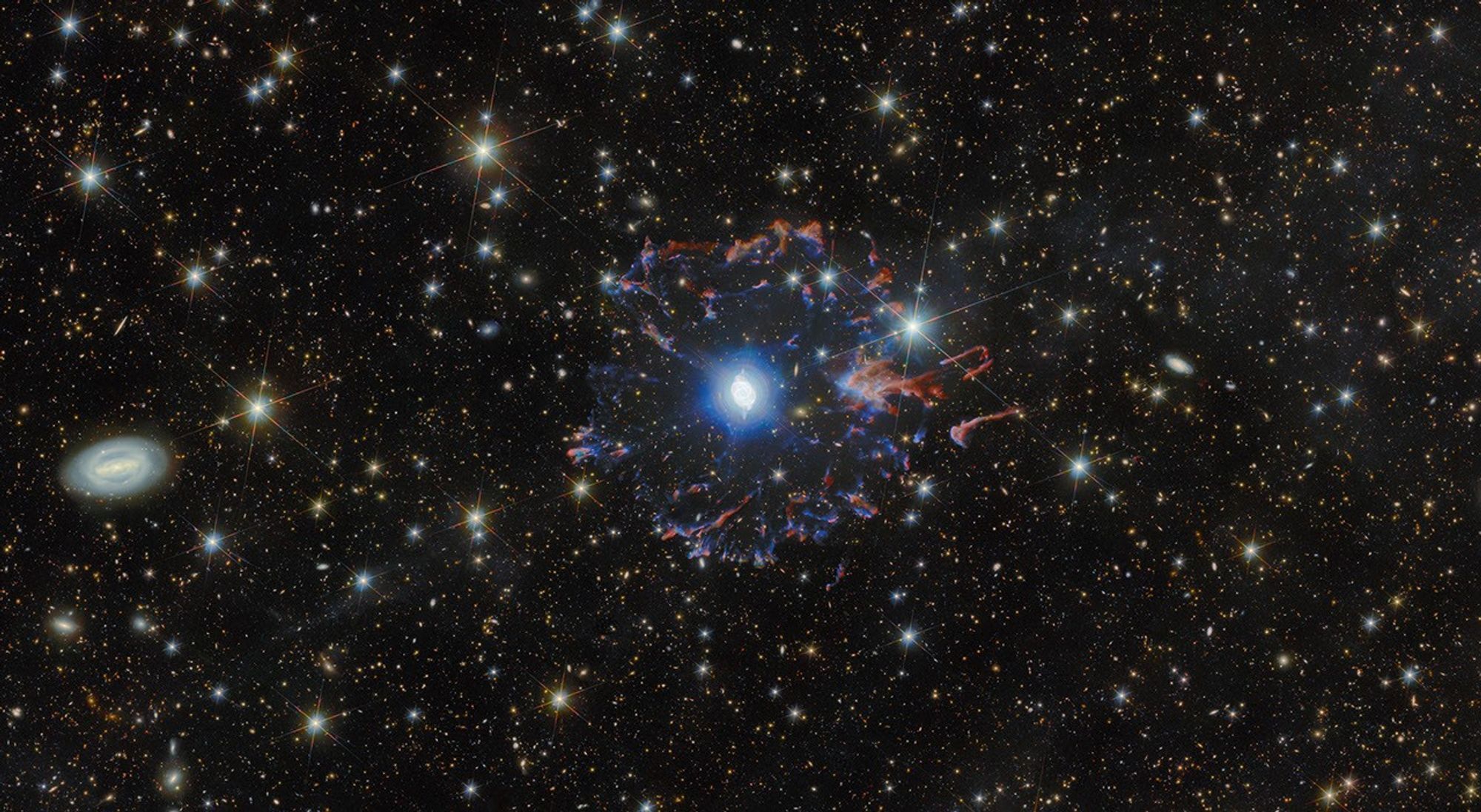
But recently, the Hubble and Euclid telescopes have taken new images of this structure, highlighting the complexity of this nebula while offering an incredible spectacle. Indeed, in the first image, taken by Euclid, it is possible to see a colorful halo of gas that seems to be moving away from the star.
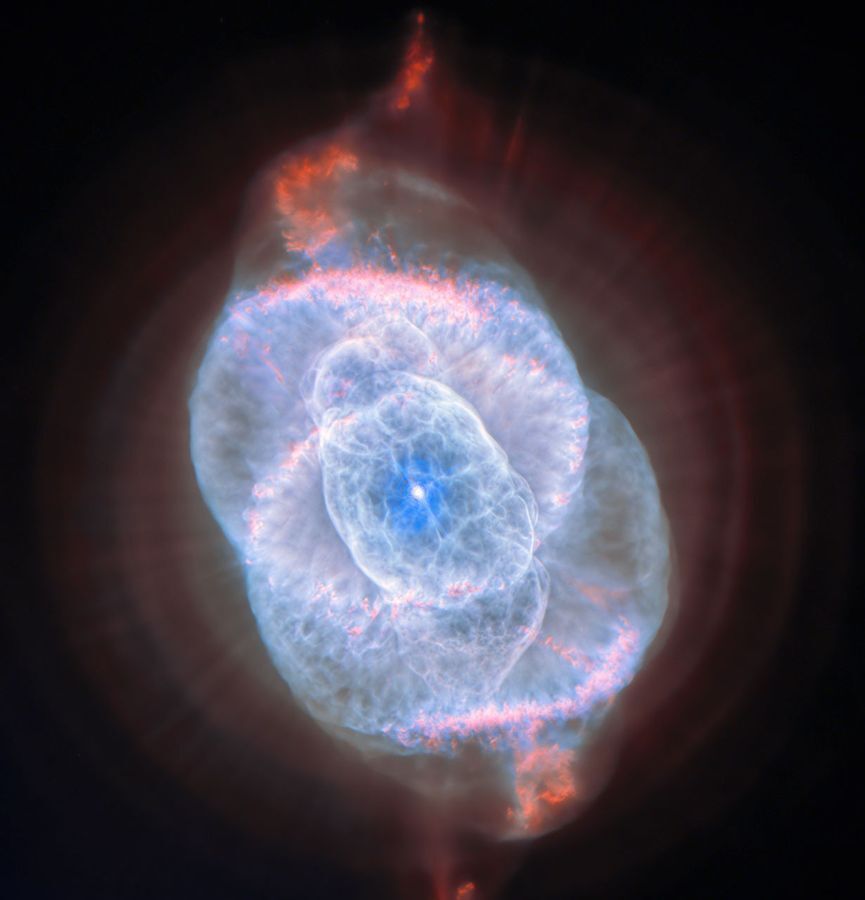
For its part, Hubble captured the heart of this nebula, revealing high-speed gas jets. It is also possible to imagine the chaos that reigns in this place while observing the star located at its center. Thus, while these images are remarkably beautiful, the brutality of the event is equally striking. But thanks to these results, astronomers will also be able to better understand this event, as well as the composition of these planetary nebulae.
Source(s)
Image source: ESA/Hubble & NASA, ESA Euclid/Euclid Consortium/NASA/Q1-2025, J.-C. Cuillandre & E. Bertin (CEA Paris-Saclay), Z. Tsvetanov
 Add as a preferred source on Google


