




Scientists discover hidden structural shifts deep inside the Sun
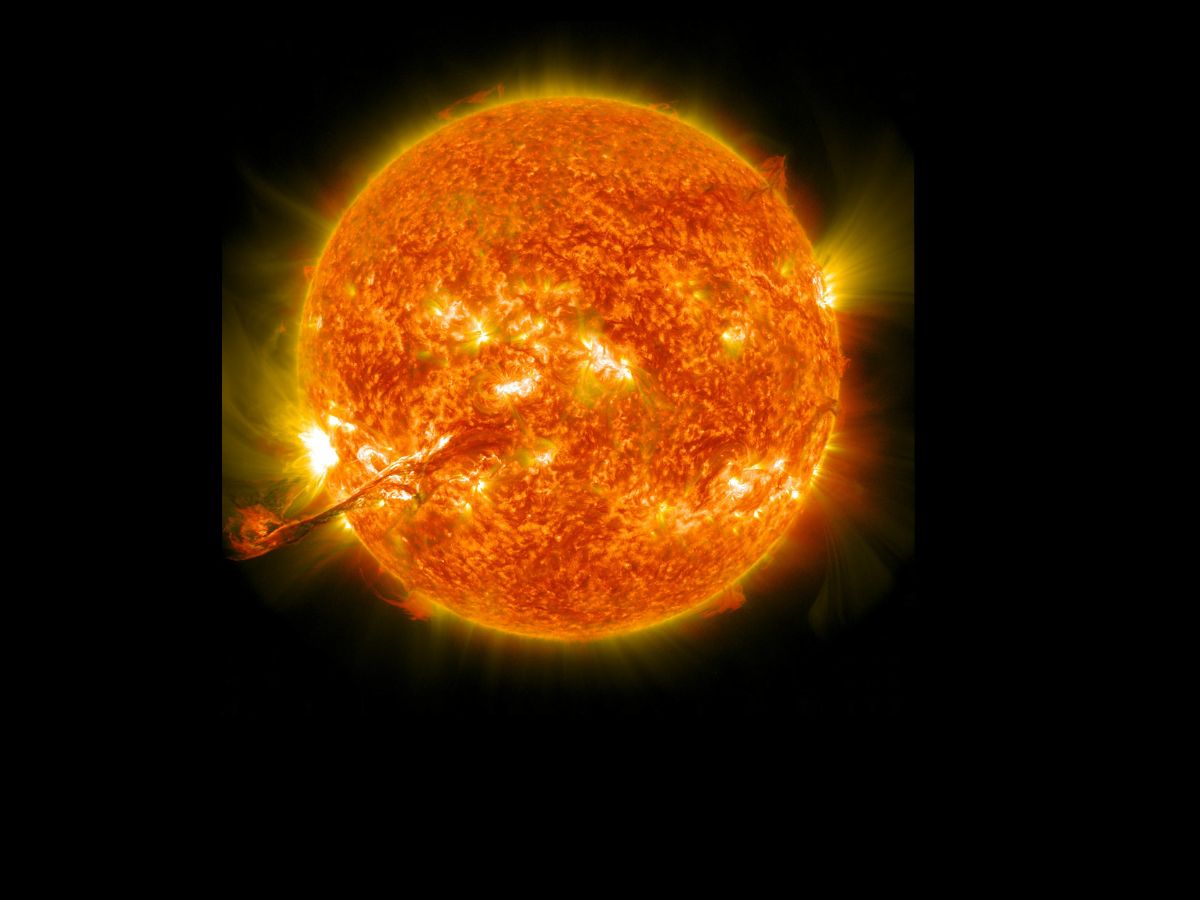
The solar cycle occurs every 11 years with two important periods. The first is the solar maximum, during which the Sun is most active, producing sunspots and solar flares. The second is the solar minimum, during which activity drops to its lowest levels with weaker magnetic fields.
Previously, it was assumed that the Sun’s internal structure was unchanged during the solar minima periods. However, scientists discovered that it was untrue. Using the Birmingham Solar-Oscillation Network (BiSON), a network of telescopes that monitor the Sun 24 hours a day, solar vibration data was collected.
This data was collected for 40 years, covering 4 solar minima between solar cycles 21 and 25. The key technique used was helioseismology, the study of the Sun’s internal structure using vibrations caused by trapped sound waves. Vibrations on the Sun’s surface are measured from Earth, which can help infer internal temperature, pressure, and density inside the Sun. A sound wave called the helium ionization glitch was observed. This glitch occurs when the helium atom in the Sun becomes ionized at extremely high temperatures, creating tiny disruptions in sound waves.
The strangest minimum was the 2008–2009 solar minimum between cycles 23 and 24, with the minimum lasting longer and exhibiting extremely low solar activity. However, this minimum showed very distinct internal conditions compared to the other three minima. This discovery can help us understand stellar magnetic activity, predict future solar cycles, and improve forecasts of space weather that affects Earth.
 Add as a preferred source on Google


