




Japanese cargo prepares for ISS departure after successful mission
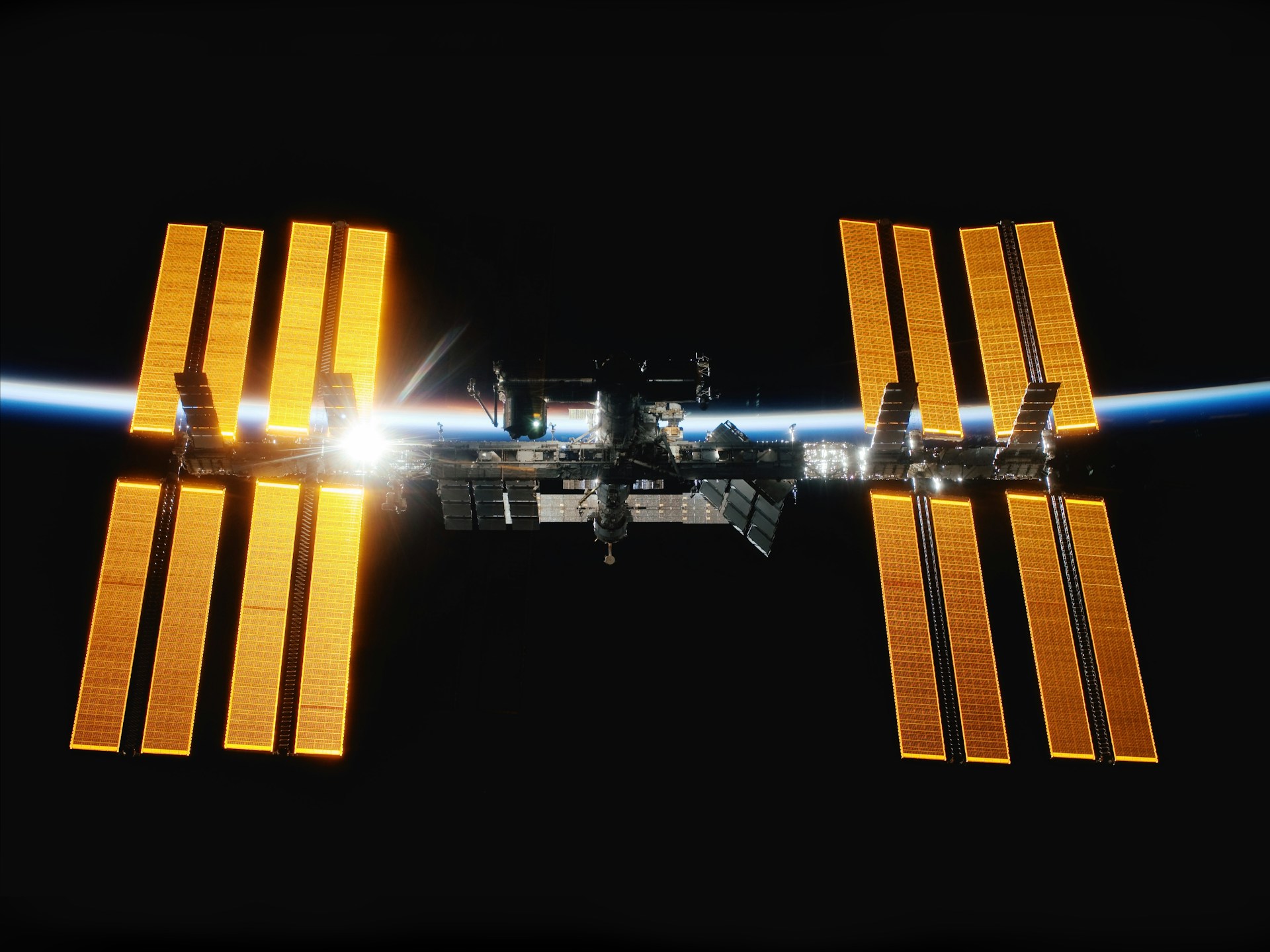
A Japanese cargo spacecraft, HTV-X1, is preparing to leave the ISS. This is Japan’s next-generation spacecraft belonging to the Japan Aerospace Exploration Agency. It has completed its resupply mission and is now filled with trash, disposable equipment, and obsolete hardware to be burned up in the Earth’s atmosphere.
There are two steps in the departure process. The first is uninstallation, where the ISS robotic arm, Canadarm2, removes the HTV-X1 from the Harmony module’s Earth-facing port. The second is sensor demonstration testing, where Japanese controllers test onboard sensors while it is still attached to Canadarm2. The spacecraft is then released into orbit, where it will spend three months conducting other scientific testing before burning up safely.
NASA is also preparing to roll out the seventh solar array to increase power generation in the ISS. This requires a spacewalk, which two astronauts are preparing for. The ISS logistics cycle includes the SpaceX Dragon and Cygnus XL, which form a continuous logistics chain. There is also research in the Russian segment observing Earth from orbit and testing AI tools.
Source(s)
 Add as a preferred source on Google


