




Google Pixel 10a can't keep up with Pixel 8a and Apple iPhone 15 in DxOMark camera analysis
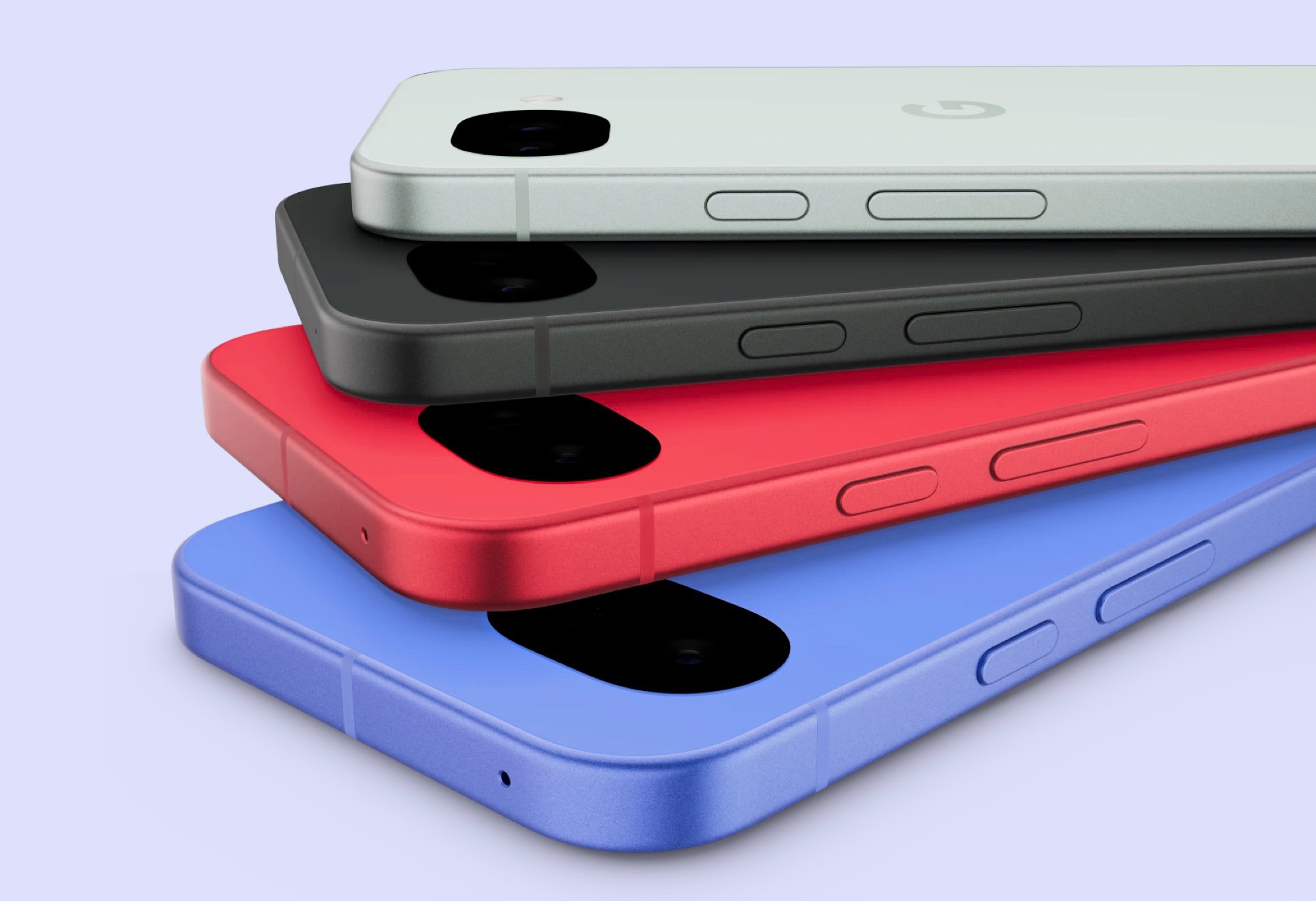
The Google Pixel 10a ($499 on Amazon) is advertised as a robust, durable smartphone with a relatively compact body. Probably the most remarkable thing about the cameras of the mid-range smartphone is that they are flush with the back. The 48 megapixel f/1.7 main camera with 1/2.0 inch sensor and OIS as well as the 13 MP f/2.2 ultra-wide-angle camera with tiny 1/3.1 inch sensor have been carried over unchanged from the Pixel 9a.
It is therefore hardly surprising that the Pixel 10a only achieved 134 points in the camera analysis of DxOMark camera analysis - six points more than the Pixel 9a, which can be attributed to improvements in image processing. This is just enough for 75th place on the DxOMark camera charts. With 136 points, even the Pixel 8a performs better, because two years ago Google installed a 64 MP main camera with a larger 1/1.73 inch sensor. The much older Apple iPhone 15 is well ahead of the Pixel 10a with 145 points
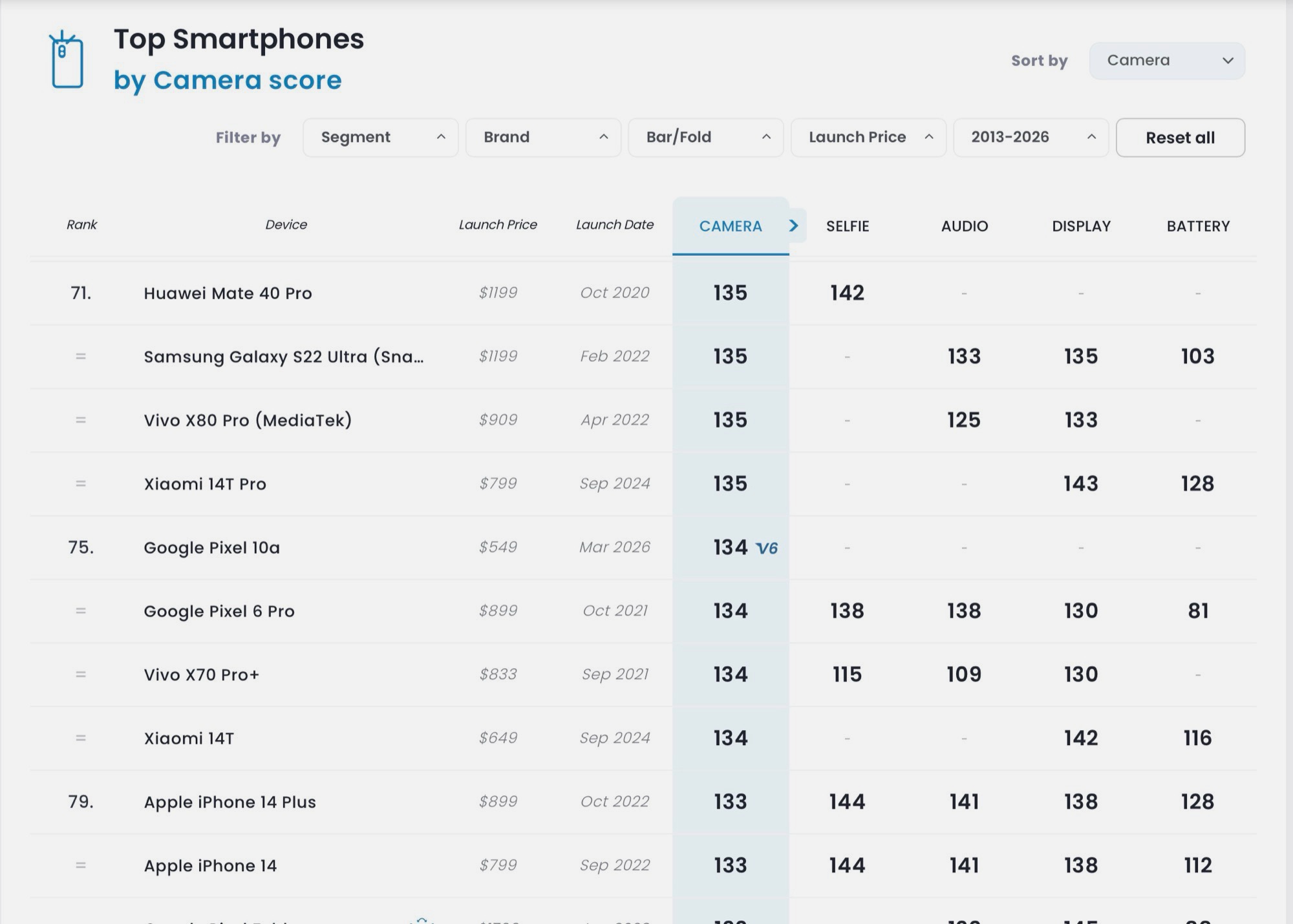
Nevertheless, the Pixel 10a performs better than the iPhone 14, the Google Pixel 6 or the Samsung Galaxy S23. Points are deducted primarily due to clearly visible image noise in low light - no surprise considering the small sensors. The auto-exposure and white balance do not always work reliably in low light. The Pixel 10a shows comparatively little detail, especially in videos, while the autofocus cannot always focus correctly.
Due to the lack of a telephoto camera, the telephoto score of 25 points is, as expected, poor - the highest score in this category is currently 140 points. Nevertheless, the Google Pixel 10a can record photos and videos with a relatively wide dynamic range, and the exposure and white balance also work well in daylight. The portrait mode works perfectly.

Source(s)
 Add as a preferred source on Google


