




This NASA discovery questions an existing idea about Earth’s water history
The question of how Earth’s water formed has always been a mystery. Research previously showed that meteorites may have supplied a significant amount of Earth’s water. But a new NASA study shows otherwise.
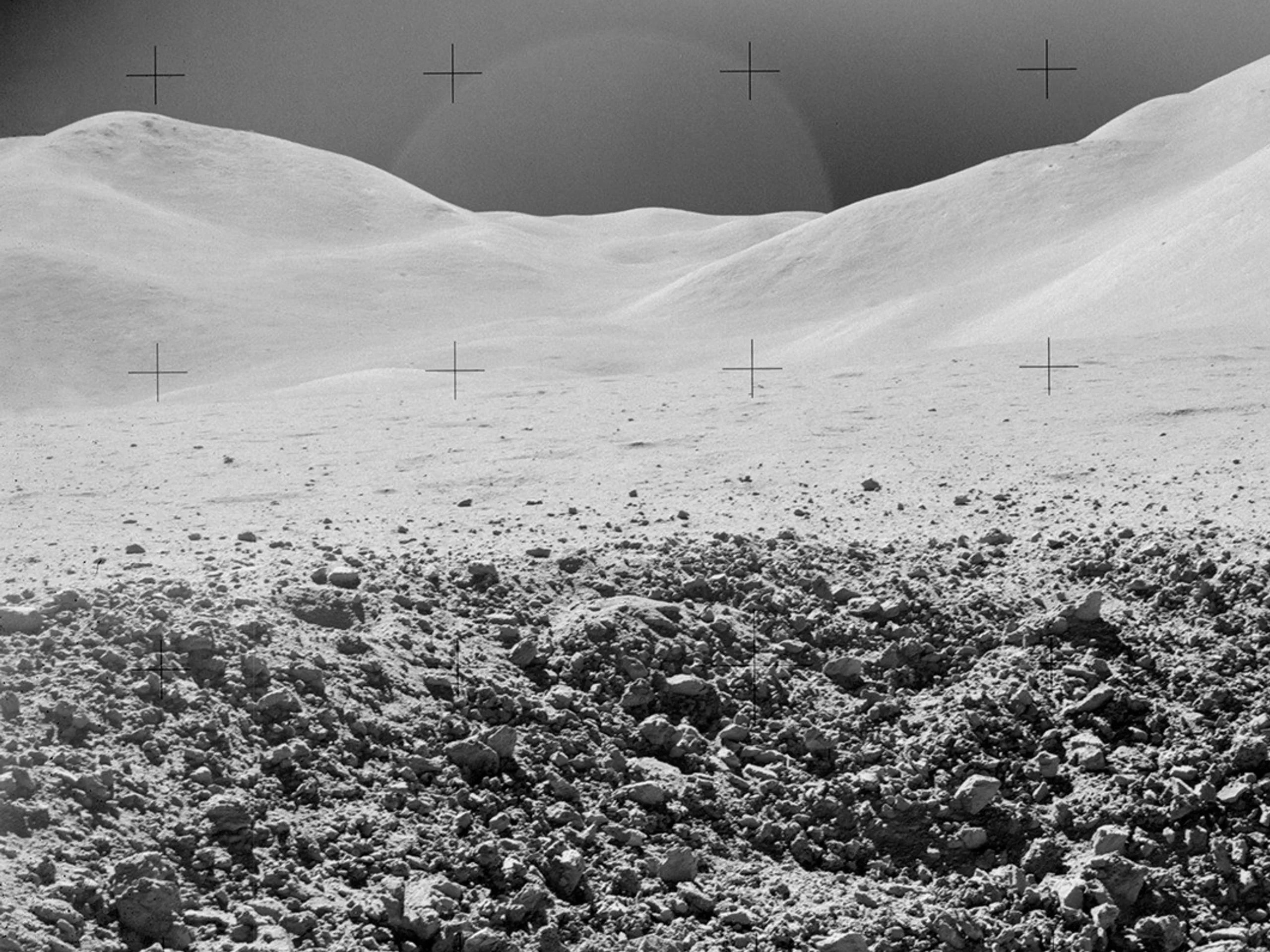
For the study, the researchers used a novel method to analyze lunar regolith obtained from the Apollo missions. Lunar regolith is the dusty debris that covers the Moon’s surface. The method used involved oxygen-isotope measurements.
Scientists have previously relied on analyzing metal-loving elements. But this method is unreliable because repeated impacts on the Moon can contaminate and mix up these elements over time. The oxygen-isotope method, on the other hand, takes advantage of the fact that oxygen is not affected by external forces. And, oxygen is the dominant element by mass in rocks.
From the study, the researchers found that the amount of water the late meteorites (meteorites that arrived on Earth after about four billion years ago) carried was significant for the Moon. But when placed on an Earth-ocean scale, the results imply that it was insignificant for Earth.
This study was published in the Proceedings to the National Academy of Sciences. Scientists are intrigued by how much the samples that were collected more than 50 years ago have been able to tell them. They now look forward to samples that will come from future missions like Artemis III.
Source(s)
 Add as a preferred source on Google


