




Powerful solar storm brings Northern Lights to unexpected places
Coronal mass ejections (CMEs) are massive eruptions of magnetized plasma that shoot out from the Sun’s outer atmosphere (corona). These ejections travel into space, disrupt solar wind, and cause geomagnetic storms on Earth.
On January 19, Earth witnessed such geomagnetic storms. Geomagnetic storms are normally graded into G1, G2, G3, and G4. The January 19 geomagnetic storm Earth witnessed rapidly fluctuated between all four levels.
The storm was caused by a CME that blasted away from the Sun during a powerful X1.9 solar flare. The CME traveled at an exceptional speed. It traveled the roughly 91 million-mile distance between the Sun and the Earth to reach Earth’s magnetosphere in just about one day.
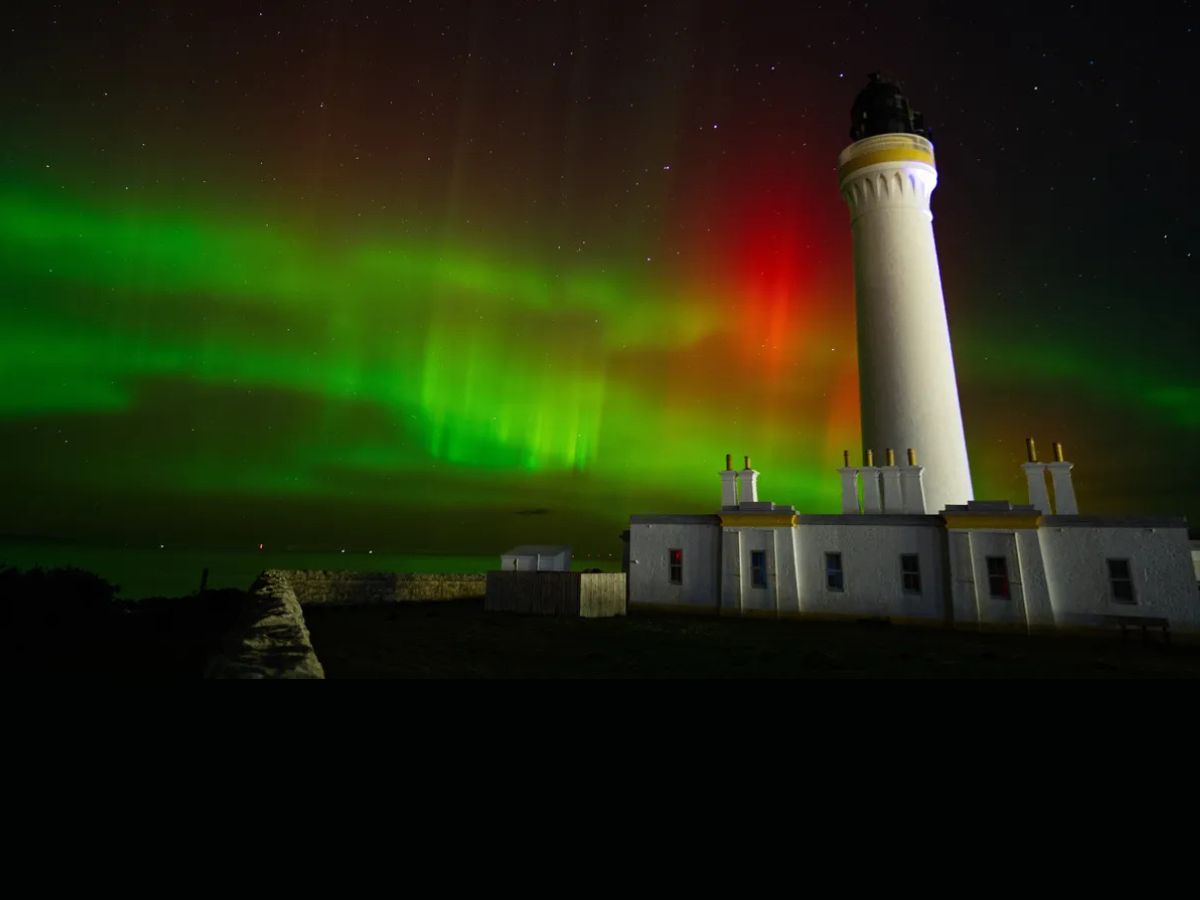
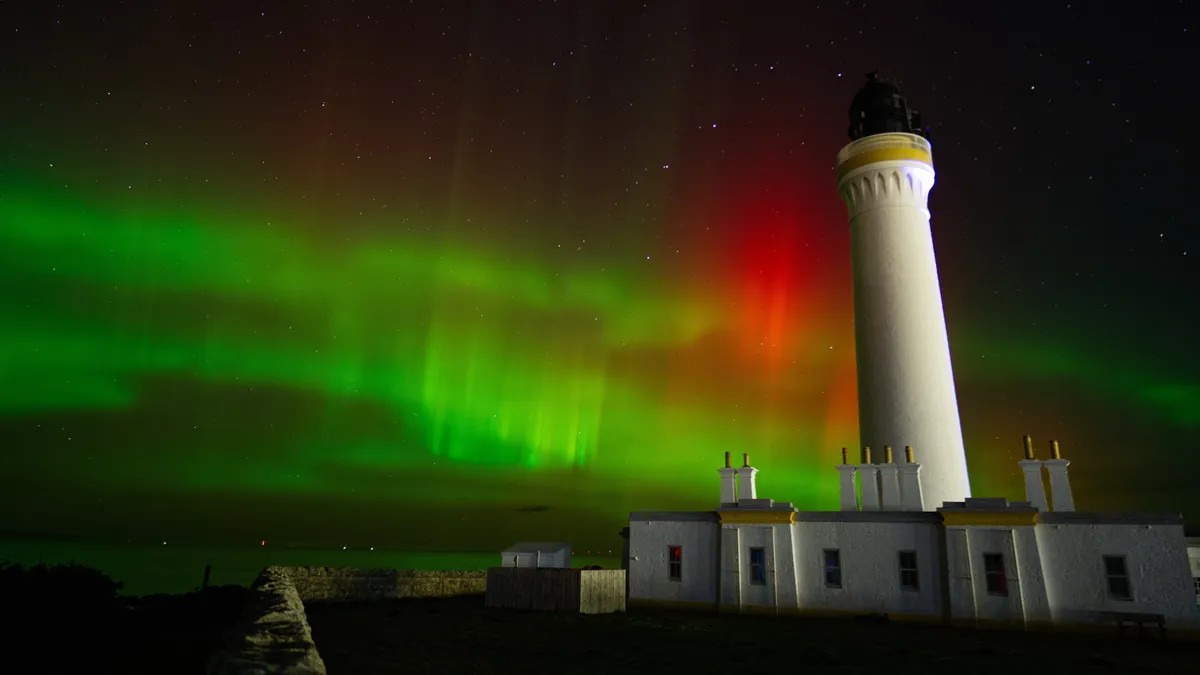
This powerful and exceptional event left colorful lights in the visible sky. These lights are called auroras. But unlike most auroral activities that stay near the poles, this particular one went further to light up mid-latitude skies. Skywatchers sighted it at several locations — from Germany to the southwestern United States.
The fact that the auroras lasted several hours also made this particular event quite the show. After the initial impact, the CME continued to interact with the Earth’s magnetic field as it passed through. This left the field in a highly disturbed state for hours. As a consequence, repeated surges of auroral activity were produced instead of a single brief display.
The northern lights showed up in a dramatic mix of red, green, and magenta hues in a couple of places. Many of the pictures were shared widely across the internet.
Source(s)
 Add as a preferred source on Google


