




The little red dots spotted by the James Webb Space Telescope could be supermassive black holes
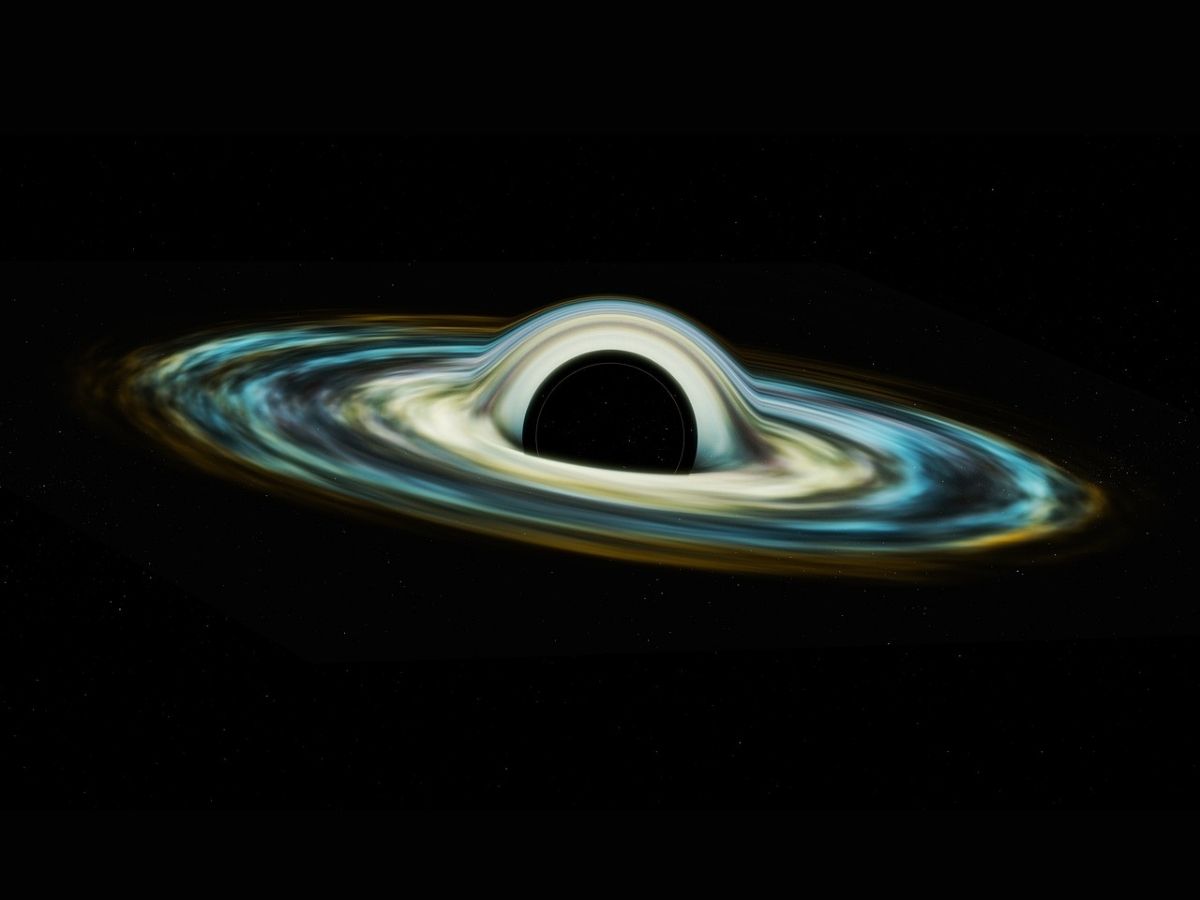
Although we learn many things about space every day, there are still many mysteries to be solved. This is the case with the little red dots spotted by the James Webb Space Telescope. According to a recent study, these could be supermassive black holes.
Astronomers discovered these elements in 2022. According to Vadim Rusakov, lead author of the study and researcher at the University of Manchester, these red dots appeared less than a billion years after the Big Bang and disappeared after two billion years.
However, the nature of this discovery has not yet been determined, and several hypotheses have been put forward. Some scientists believe that these are galaxies extremely rich in stars, which gives them this color, while others put forward another hypothesis, which would be the presence of supermassive black holes.
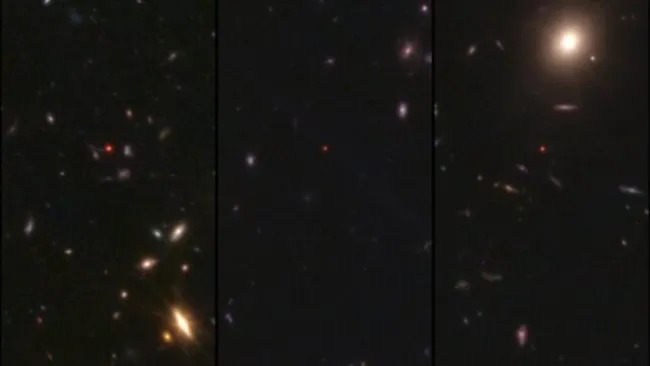
And according to a recent study, these red dots are as bright as 250 billion suns, while being smaller, which supports the last hypothesis. Furthermore, by analyzing the light emitted by these red dots, they estimated that the speed of the gas present in these structures was approximately 1,080,000 kilometers per hour (around 671,080 miles per hour). Finally, they also estimated the mass of these black holes, which would be between 100,000 and 10 million times that of the Sun.
Thus, this discovery could help astronomers to understand how supermassive black holes formed in the early universe. And further studies will need to be conducted in the near future in order to elucidate new mysteries.
Source(s)
 Add as a preferred source on Google


