




NASA's Perseverance detects electrical sparks on Mars
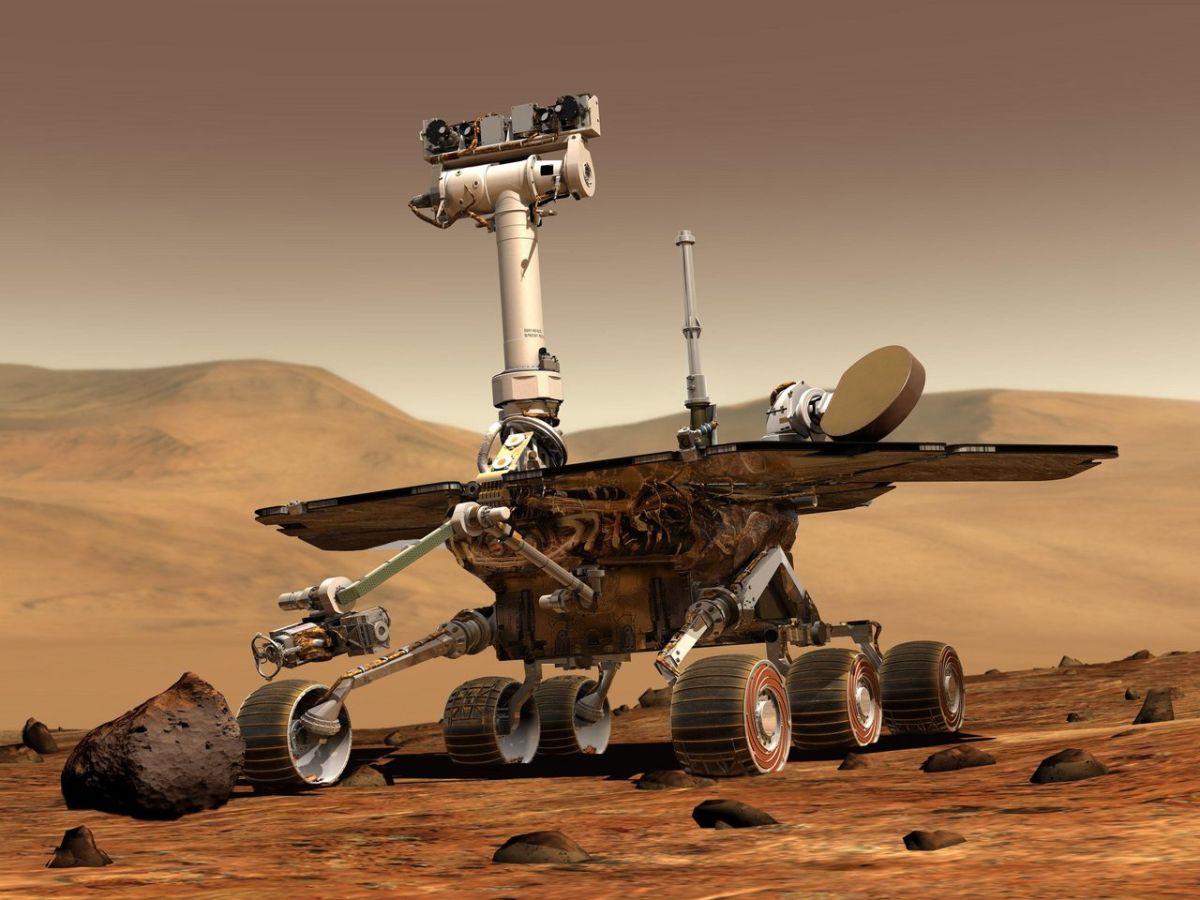
Dust devils are small, spinning whirlwinds that pick up dust and sand as they move across the Martian surface. For long, scientists have held a theory that electrical discharges can be born within these dust devils. Finally, they have been able to confirm their suspicions.
The microphone on the Perseverance rover’s SuperCam instrument captured audio and electromagnetic recordings when a dust devil passed. Scientists confirmed that the “snap” sound in the recordings was from a spark within the dust devil.
They discovered that the dust grains in dust devils rub against each other, thereby generating electrical charges. When the charges become strong enough, they generate a spark. This phenomenon is called the triboelectric effect.
It is expected, though, that the charges from the dust grains would be too small to generate any spark. But Baptiste Chide, a member of the Perseverance team, has explained that the thin Martian atmosphere reduces the amount of charge needed to create a spark.
The implications of this discovery are profound. These electrical discharges can lead to the formation of chlorates and perchlorates. These chemicals destroy organic molecules that make up life. Electrical charges could also help destroy methane quickly. This could be the reason why methane vanishes rapidly on the Red Planet.
Thankfully, there has been no record of the electrical discharges damaging Mars rovers. Nevertheless, this confirmed finding could be important in helping scientists understand the potential risks to current robotic missions and future human missions. This discovery was published in Nature on November 26.
Buy the 10-piece Solar System Planet Stress Balls for $12.99 on Amazon.
 Add as a preferred source on Google


