




The Subaru Telescope has discovered a new exoplanet and a new brown dwarf with its new program
Located in Hawaii, the Subaru telescope has been operational since 1999, and it recently made its first discoveries with a new program. But these are not just any discoveries, as it observed a brown dwarf and an exoplanet, allowing astronomers to learn more about the universe that surrounds us.
While these discoveries may seem insignificant, especially when we consider that other telescopes are revolutionizing our understanding of the universe, they are the first results from OASIS program (Observing Accelerators with SCExAO Imaging Survey). And that's not all, because according to a spokesperson from the National Astronomical Observatory of Japan:
“The program uses measurements from two European Space Agency missions, Hipparcos and Gaia, to identify stars being tugged by the gravity of unseen companions.”
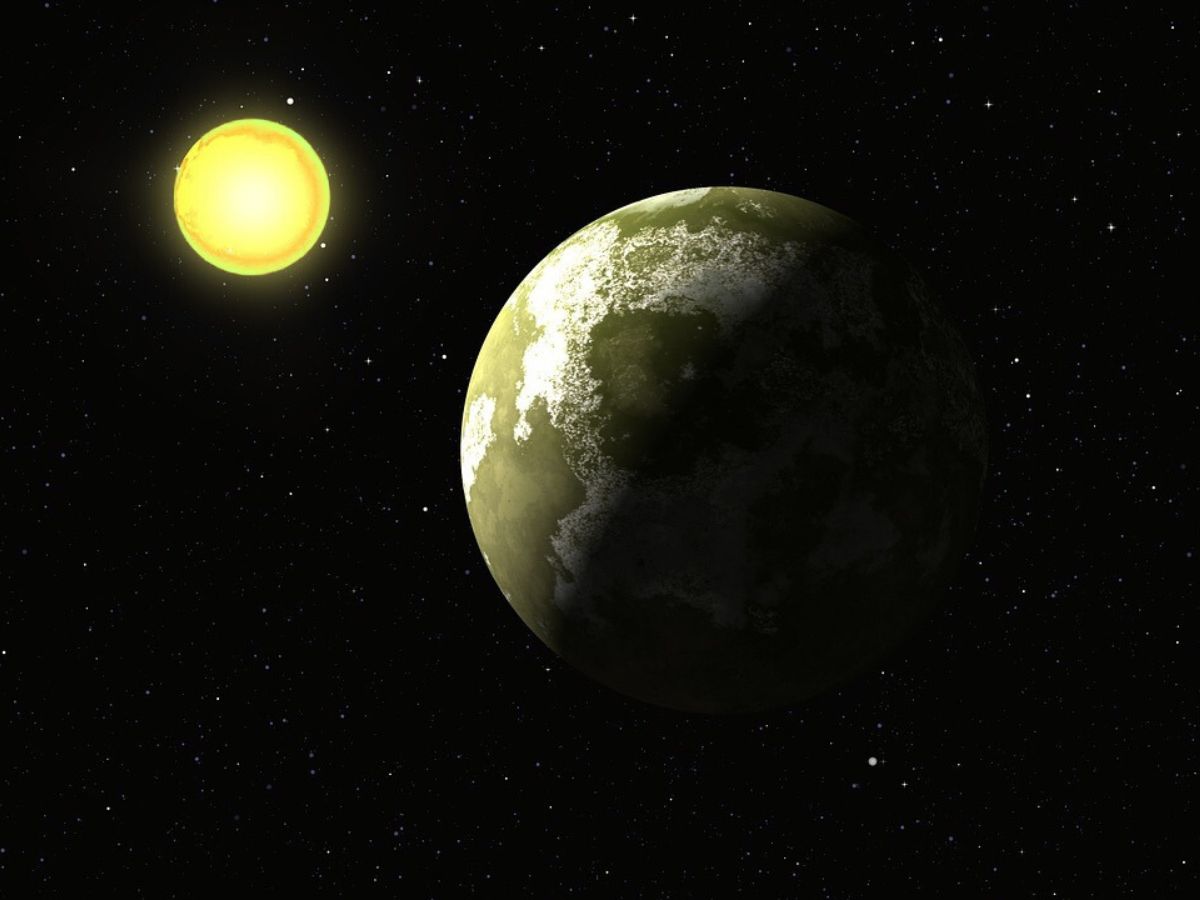
The discoveries made by the Subaru telescope are an exoplanet and a brown dwarf. The first celestial object is located approximately 271 light-years from Earth and is called HIP 54515 b. Its dimensions are impressive, as it has a mass 18 times larger than that of Jupiter while being located at a distance similar to that of Neptune from the Sun.
As for the brown dwarf HIP 71618 B, it is located about 169 light-years from Earth and has a mass 60 times larger than that of Jupiter. And this type of celestial object still remains very mysterious, and astronomers hope to be able to study them in more detail in the future using new instruments.

Thus, these discoveries made by the Subaru telescope could therefore serve as a support for new observations. And they could also help answer many questions about our universe.
 Add as a preferred source on Google


