




NASA might have found something that challenges the foundations of modern astronomy
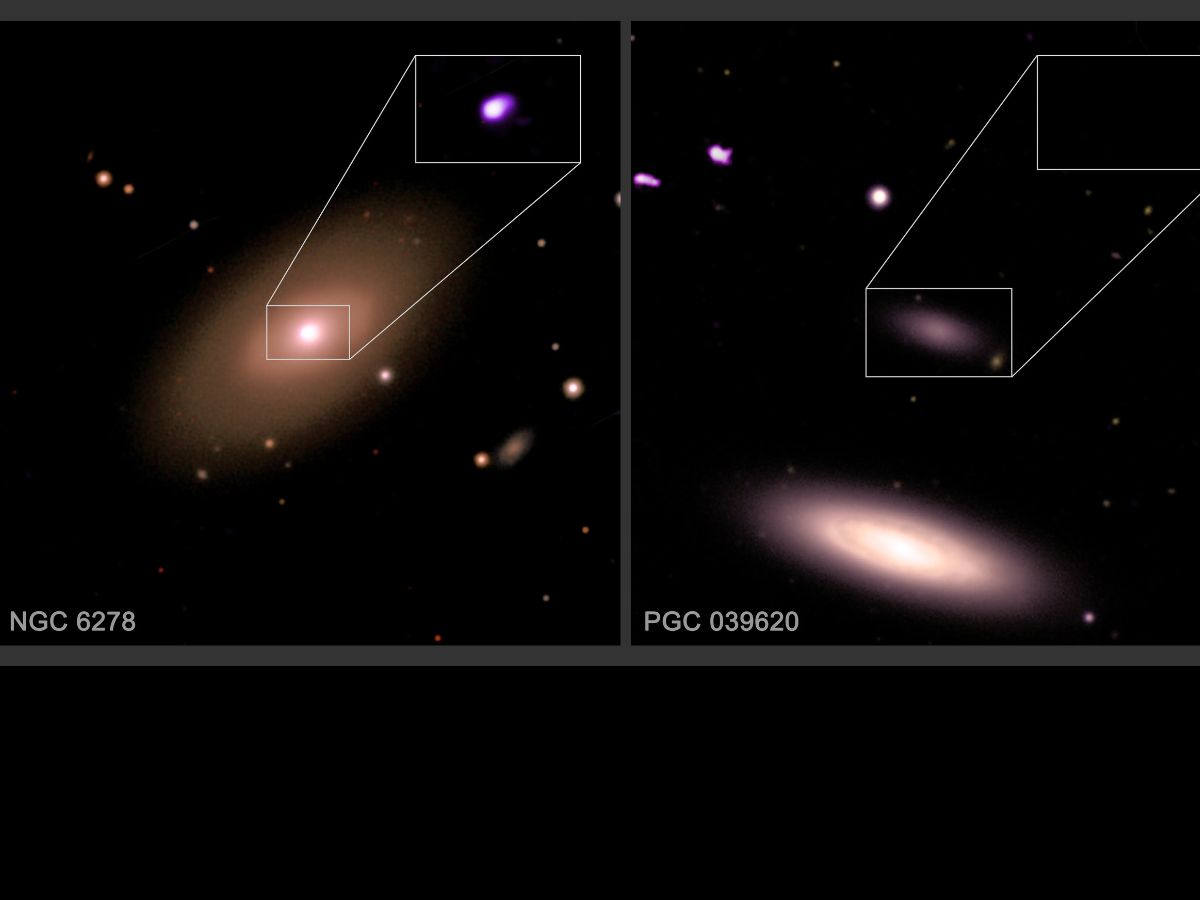
For so long, scientists have believed that nearly every galaxy contains a supermassive black hole at its center. But a group of astronomers has challenged that with a study they published in the Astrophysical Journal. They carried out the study using data from the Chandra X-ray Observatory.
Chandra has been observing galaxies for two decades. Within that time, it has observed 1,600 of them, from those more than 10 times more massive than our Milky Way to those much smaller. The astronomers analyzed the data and discovered that many smaller galaxies didn’t show signs of having a supermassive black hole in their center.
When matter falls into supermassive black holes, X-rays are produced. This is what Chandra detects. But when the astronomers analyzed Chandra’s data, they discovered that Chandra had returned fewer signals from the smaller galaxies. They believe this deficit is due to the absence of supermassive black holes in these smaller galaxies.
From the study, the astronomers reported that only about 30% of small galaxies likely contain supermassive black holes. If this is true, it could provide some insight into understanding how supermassive black holes form. The findings from this study support the idea that supermassive black holes were born massive. That is, they were not formed from the merging of smaller black holes.
The study could also impact the future Laser Interferometer Space Antenna (LISA) mission. The mission is set to detect gravitational waves, and black hole mergers produce gravitational waves. If there are fewer supermassive black holes in smaller galaxies, then there are fewer mergers and fewer gravitational waves for LISA to detect.
Source(s)
Image source: X-ray - NASA, CXC, SAO, F. Zou et al.; Optical - SDSS; Image Processing - NASA/CXC/SAO/N. Wolk
 Add as a preferred source on Google


