




NASA finishes telescope set to detect 10× more supernovae than all others combined
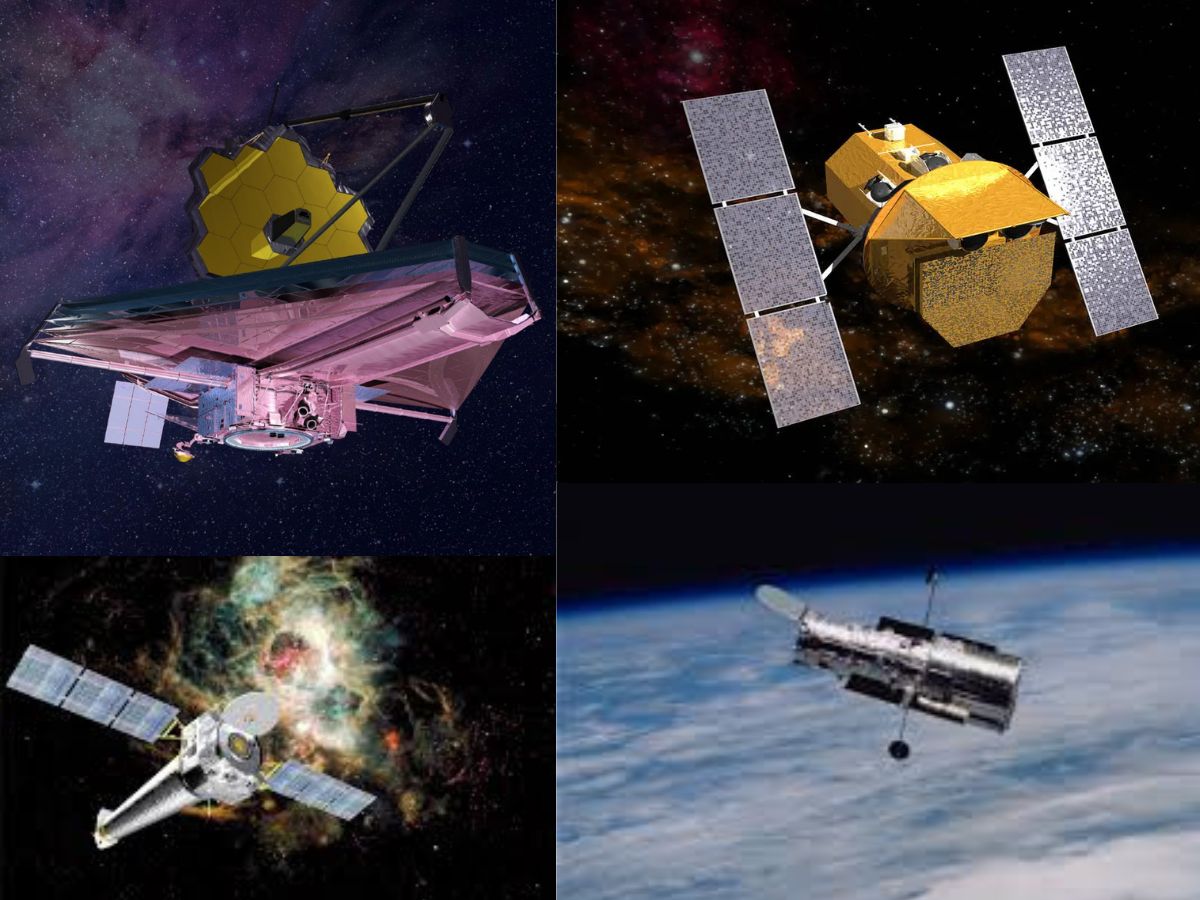
After about 10 years of construction, NASA has finally finished construction on the next great cosmic observatory. On November 25, engineers at the Goddard Space Flight Center successfully joined the inner and outer sections of the Nancy Grace Roman Space Telescope, marking the completion of its construction.
This hardware milestone brings the agency closer to realizing ambitious scientific goals. As noted in our previous forecast report, the telescope’s High-Latitude Time-Domain Survey is predicted to revolutionize our understanding of the cosmos by detecting approximately 27,000 Type Ia supernovae. This figure represents a tenfold increase over the total found by all previous space telescopes combined.
These standard candle explosions will allow astronomers to measure cosmic distances with unprecedented precision, offering vital clues about dark energy and the accelerating expansion of the universe. Beyond standard supernovae, the mission is also expected to hunt for rare pair-instability explosions from the universe's first stars.
To achieve this, Roman is equipped with a 288-megapixel Wide Field Instrument that captures patches of sky larger than a full moon, along with a Coronagraph to image distant worlds. Following final testing, the observatory will move to the Kennedy Space Center for a planned launch aboard a SpaceX Falcon Heavy rocket, potentially as early as fall 2026./p>
The mission will acquire enormous quantities of astronomical imagery that will permit scientists to make groundbreaking discoveries for decades to come, honoring Dr. Roman’s legacy in promoting scientific tools for the broader community. — Jackie Townsend, Roman’s deputy project manager at NASA Goddard.
Source(s)
 Add as a preferred source on Google


