




NASA to send a robotic arm into low Earth orbit
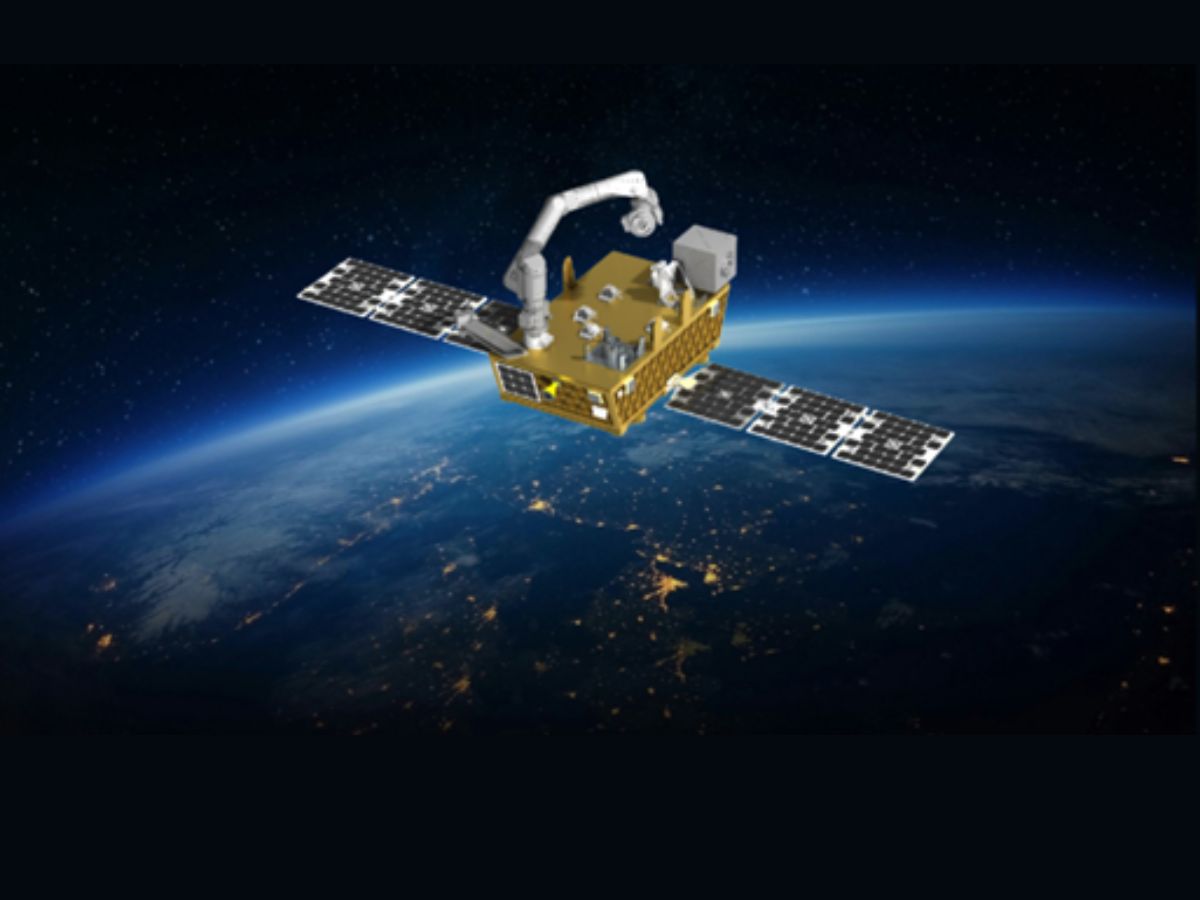
Planned missions to Mars and the Moon will see humans spending extended time outside our planet. To make the missions less of a challenge, the humans selected for those missions will need some helping hand. The spacecraft carrying crews may also require repairs during such missions. Robots could offer assistance in these areas. NASA and its partners are set to facilitate these future missions by advancing in-space robotics with the Fly Foundational Robots (FFR) mission.
FFR is a demonstration mission that involves flying and operating a commercial robotic arm in low Earth orbit. Motiv Space Systems designed the robotic arm to operate with high precision. The robotic arm is capable of moving from one part of a spacecraft to another and can use tools on its own.
This mission can help in developing ways to repair and refuel spacecraft with robots. It can also help in constructing habitats and infrastructure either in space, on the Moon, or on Mars.
Through the potential breakthroughs from FFR, astronauts can have robotic assistants to help them in extended missions to Mars and the Moon. Industries on Earth that use similar technologies could have their own fair share of improvements when in-space robotic systems advance. These industries include construction, medicine, and transportation.
Today it’s a robotic arm demonstration, but one day these same technologies could be assembling solar arrays, refueling satellites, constructing lunar habitats, or manufacturing products that benefit life on Earth. — Bo Naasz, senior technical lead for In-space Servicing, Assembly, and Manufacturing (ISAM) at NASA Headquarters in Washington.
Source(s)
 Add as a preferred source on Google


