




A droid will assist astronauts conquer the Moon once more
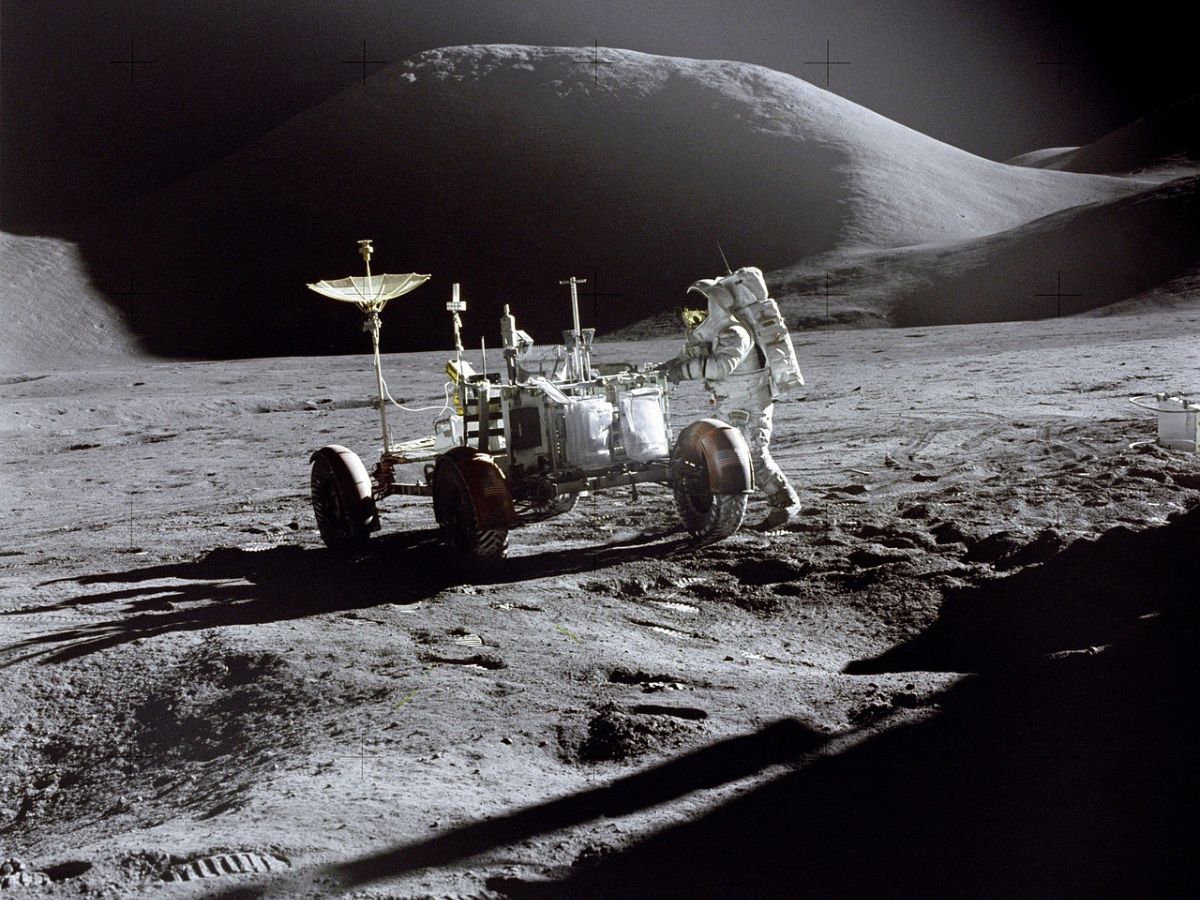
NASA has been planning for several years to resume manned nissions to and on the Moon, with the aim of establishing a base there in the near future. But to achieve this, it will be necessary to conduct various studies in order to better understand our natural satellite. And for this, a rover, which may evoke a droid from the Star Wars universe, will help astronauts during the first missions.
Named MAPP (Mobile Autonomous Prospecting Platform) and built by Lunar Outpost, it will be deployed on the Moon during the Artemis IV mission. And while it's possible to imagine astronauts being followed by a droid like the Jedi in Star Wars, this device will have a very different role.
Indeed, it will not have to face enemies, but analyze the lunar dust and the geology of our natural satellite. And for this, it will transport the DUSTER instrument, which consists of the EDA (Electrostatic Dust Analyzer) and the RESOLVE instrument (Relaxation SOunder and differential VoltagE). These devices will study dust particles and their density in order to better understand the impact of human activity on this surface.
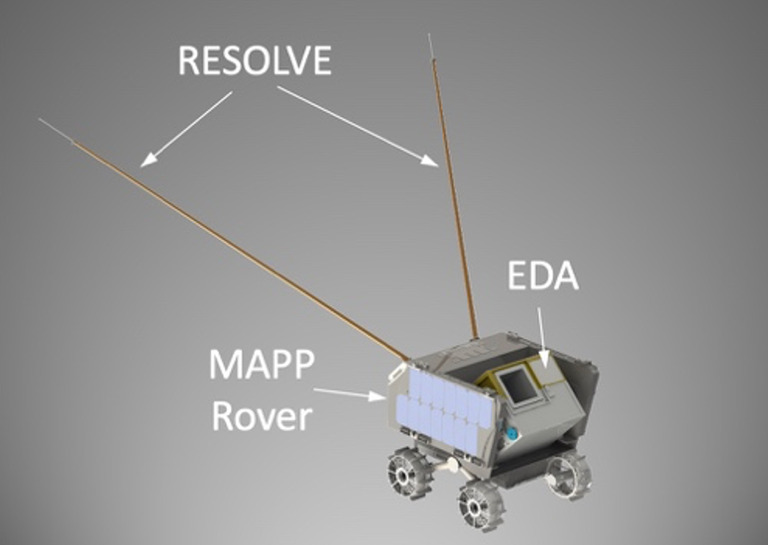
And their role is important because, according to NASA, these studies are essential to understand and anticipate the dangers related to dust particles on space suits, as explained by Nicky Fox, associate administrator, Science Mission Directorate at NASA Headquarters in Washington:
"The Apollo Era taught us that the further humanity is from Earth, the more dependent we are on science to protect and sustain human life on other planets. By deploying these two science instruments on the lunar surface, our proving ground, NASA is leading the world in the creation of humanity’s interplanetary survival guide to ensure the health and safety of our spacecraft and human explorers as we begin our epic journey back to the Moon and onward to Mars.”
However, it will not be the first MAPP rover to reach the Moon, as a second device is scheduled to take off in 2026 as part of the IM-3 mission. But it will be necessary to be cautious, because each mission represents a significant risk of failure.
Source(s)
 Add as a preferred source on Google


