




The Ursids, the last meteor shower of 2025, will soon reach its peak
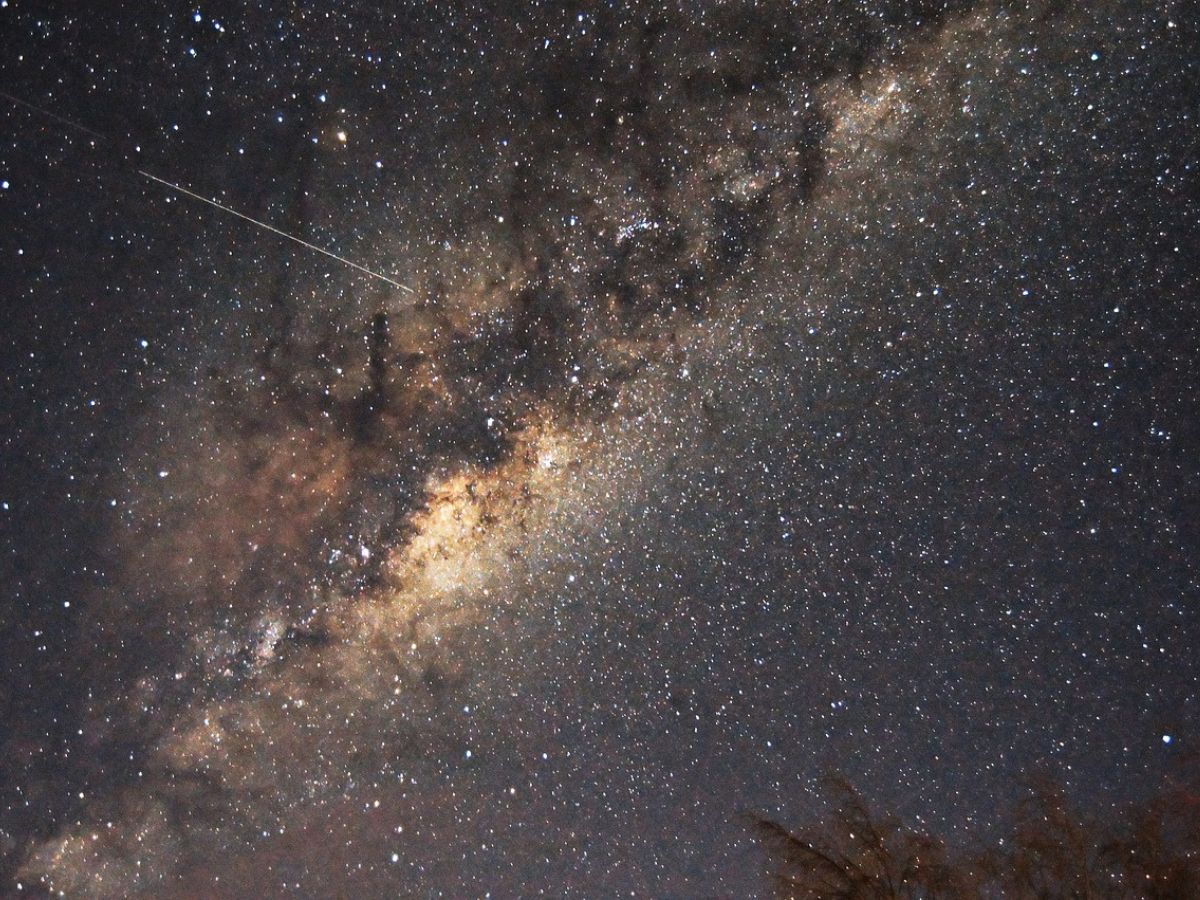
The end of the year is approaching, and cosmic events continue to be visible in the sky. After numerous comets and the observation of a new flash on the Moon, it is now possible to see the last meteor shower of 2025. And the good news is that it will soon reach its peak activity, with optimal conditions for observation.
The Ursids are a meteor shower originating from comet 8P/Tuttle. Discovered in 1790 by Pierre Méchain, it measures approximately 4 km in diameter and has been observed many times over the last few centuries, and most recently in 2021. However, this meteor shower is not directly related to this comet, as the swarm follows its own trajectory and appears to act independently.
And while this visually pleasing phenomenon does not occur every year, it will in 2025. From December 17 to 26, it will be possible to observe various meteors in the night sky. However, don't expect the same spectacle as the Geminids that occurred earlier. Indeed, it is reasonable to expect a rate of 10 meteors per hour, and 50 meteors per hour at its peak on December 22, 2025.
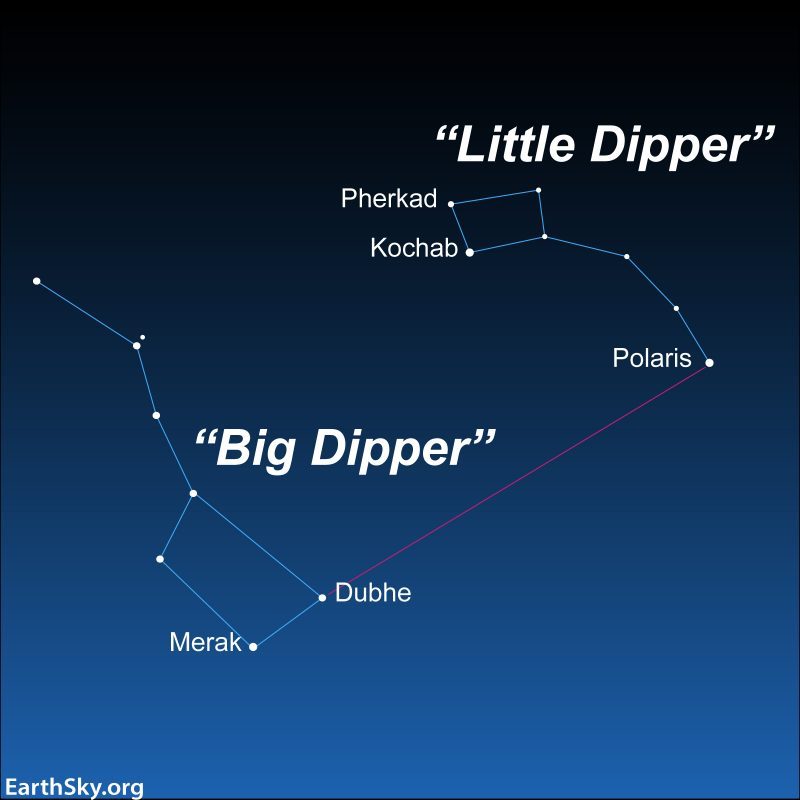
Furthermore, conditions appear to be optimal, as the Moon will be absent. In addition, to increase your chances of witnessing this event, you will need to look toward Kochab before sunrise; that's an orange star located in the Ursa Minor constellation. Just make sure that the sky and horizon are clear first to avoid potential problems and disappointment.
Source(s)
 Add as a preferred source on Google


