




Planet Mars: Scientists outline how ice could be used to build insulated, radiation-shielded habitats
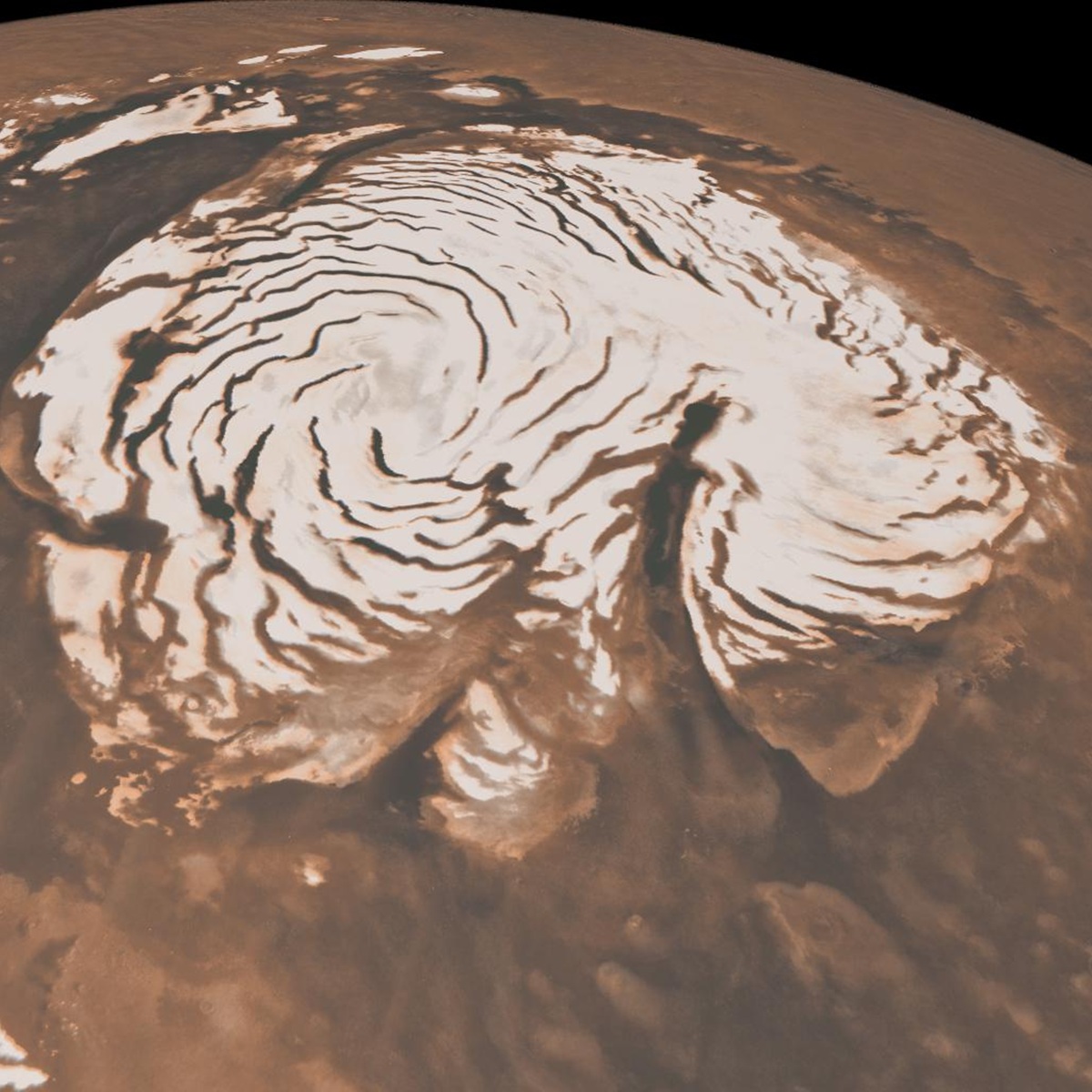
Mars is known to store a large amount of frozen water on or under its surface. According to a recent study, this local resource could improve habitability when humans arrive to live on the planet.
The research found that walls of ice several meters thick can raise interior temperatures from about -120 °C outside to -20 °C.
Radiation shielding and light transmission
The scientists also concluded that ice can block most harmful UV radiation, which is abundant on the Red Planet. However, the advantage of using frozen water in construction is that visible and infrared light can still pass through, meaning Mars residents can be protected from cosmic rays while still enjoying natural light.
Engineering challenges still to be solved
While the study points out the insulating and shielding properties of ice, major limitations remain. For example, a single structure could require processing about 15 square meters of ice per day, which would consume as much energy as the International Space Station. Ice could also become less efficient as an insulator when it accumulates dust.
The researchers have suggested applying a protective, water-resistant coating to Martian ice to prevent sublimation (the process by which ice turns directly into a gas without passing through the liquid state) and to improve structural rigidity.
Source(s)
 Add as a preferred source on Google


