




Semiconductors drive South Korea’s exports past $700 billion, as other major sectors decline
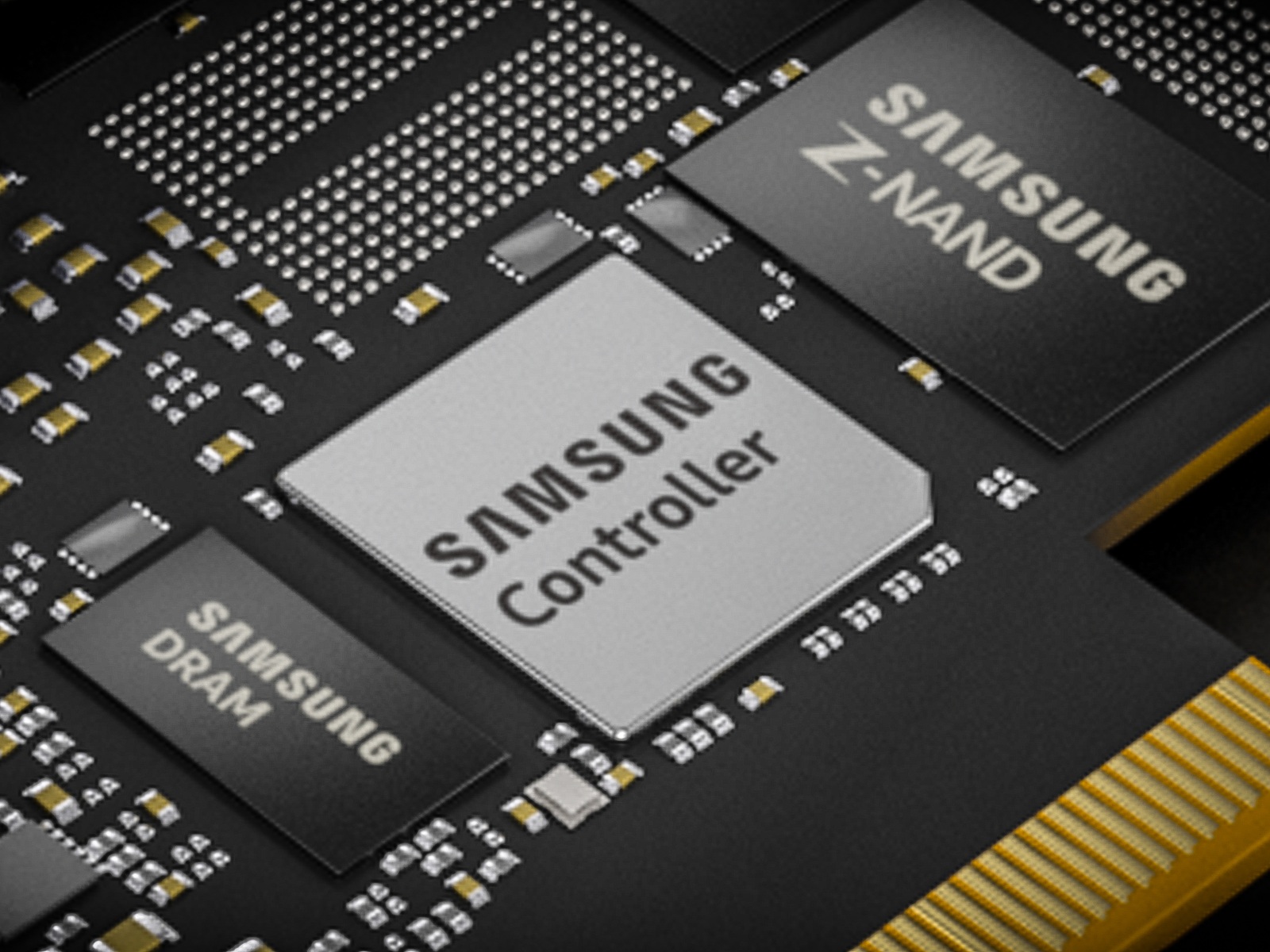
Total export for the year so far has reached $640.2 billion. This represents a 2.9 percent increment over the same period last year. According to the country’s Ministry of Trade, Industry, and Resources, the rise is linked to the surging demand for semiconductors from AI infrastructure.
The silicon components contributed 28.3 percent of the East Asian country’s exports in November. It was a massive jump compared to about 10 percent in the 2000s.
Exports excluding semiconductors fall
Illustrating South Korea’s recent dependence on chips, combined exports from the other major segments fell 1.5 percent year-on-year to $487.6 billion. Economic mainstays, such as machinery, lost 8.9 points, while displays declined by 10.3 points. Petroleum product dipped by 11.1 percent, and petrochemicals export shrank by 11.7 percent.
Meanwhile, other sectors that saw growth included automobiles at 2 percent, computers at 0.4 percent, and ships at 28.6 percent.
Deputy Trade Minister Kang Kam-chan predicts that 2026 will see South Korea’s chip export continue to grow as AI demand remains relentless. Samsung stands to benefit from this, as its Device Solutions division is expected to report bumper profits for 2025, thanks to sharply rising DRAM prices.
Source(s)
 Add as a preferred source on Google


