




Astronomers discover a mysterious object that attenuates the brightness of a distant star
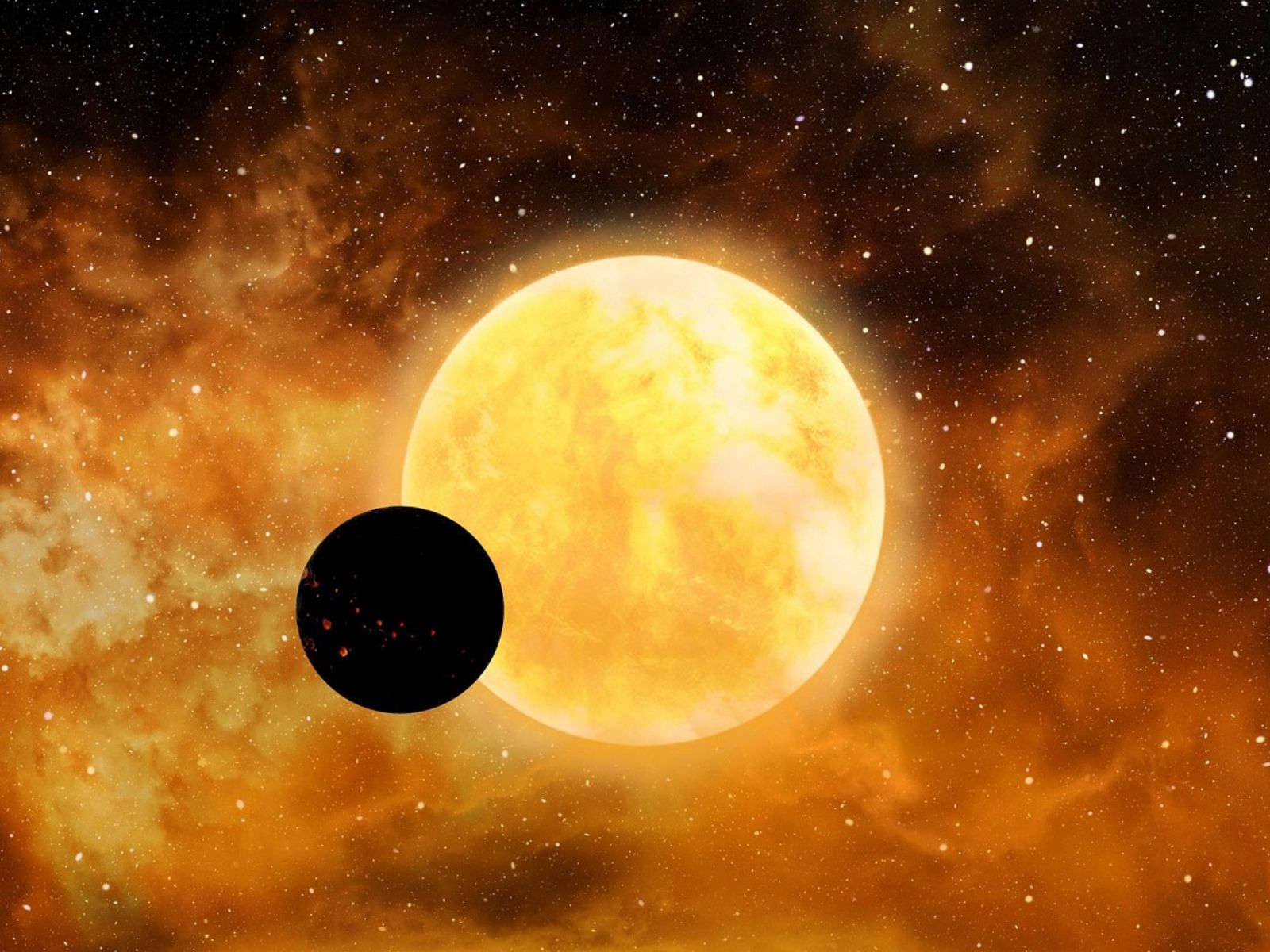
ASASSN-24fw is a star that is twice the size of the Sun and is located 3,200 light years from Earth. For years, astronomers thought this star was stable, but its brightness decreased over a period of 200 days, one of the longest ever recorded. However, the object that caused this decline remains a mystery, even though some theories have been put forward.
Indeed, according to a recent study, astronomers believe that this decrease is due to a brown dwarf surrounded by saucer-like rings that extend over more than 26 million kilometers. As a reminder, a brown dwarf is a substellar object that has a mass between 13 and 75 times that of Jupiter. And these celestial objects are often considered as failed stars.
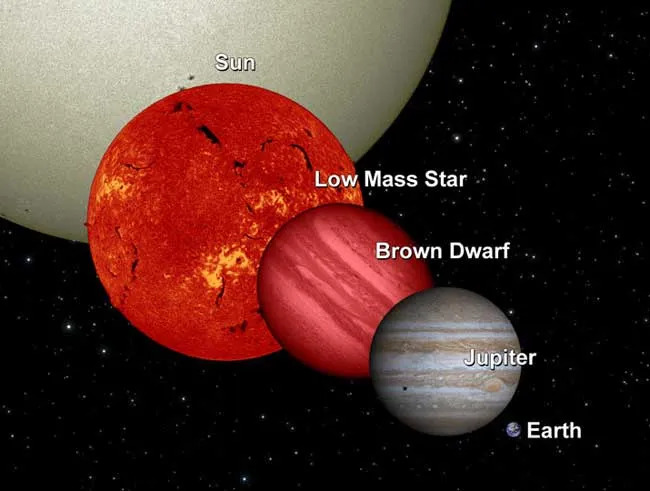
However, if this hypothesis is put forward, astronomers also believe that an exoplanet larger than Jupiter could be responsible for this event. And while the origin of this celestial object is still unknown, they know that ASASSN-24fw is surrounded by fragments of gas and dust, which would come from ancient collisions between exoplanets.
Consequently, new studies will be conducted on this star using the Very Large Telescope to determine its exact age and composition. This could answer many questions, pending a future decline in its brightness, which is expected to occur in 42 or 43 years.
 Add as a preferred source on Google


