




China launches fourth mission of its secretive reusable spacecraft, nicknamed Shenlong
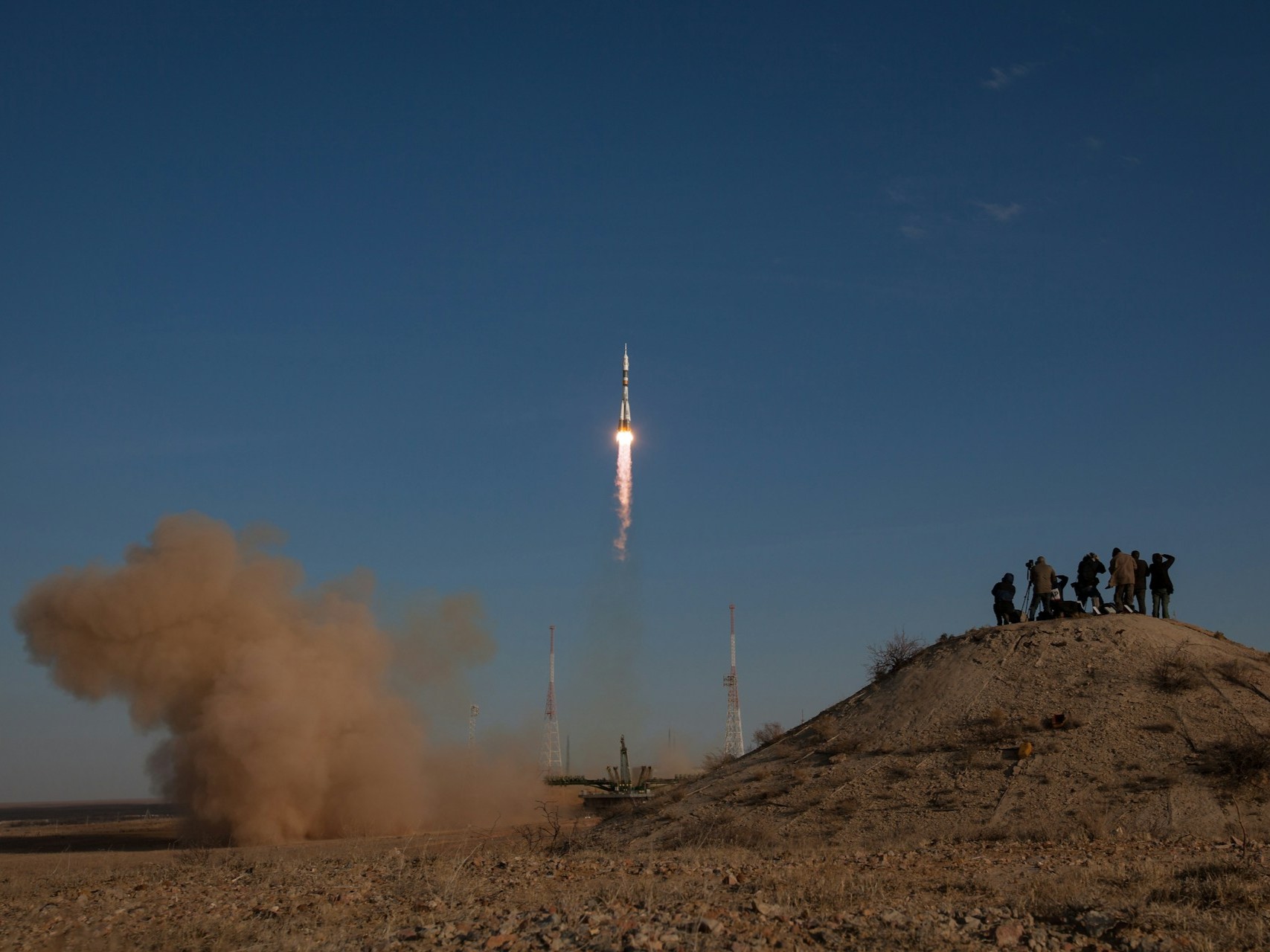
China has successfully launched its reusable experimental spacecraft for the fourth time, further advancing a program that parallels the United States' capabilities in orbital maneuverability. The classified vessel blasted off on Saturday from the Jiuquan Satellite Launch Center in Northwest China atop a Long March-2F carrier rocket.
While state media confirmed the launch was for "technology verification" and the "peaceful use of outer space," officials provided no photos, launch times, or mission parameters. Despite the secrecy, Chinese space enthusiasts have nicknamed the craft "Shenlong," or "Divine Dragon," viewing it as a counterpart to the US Space Force’s X-37B.
This mission follows a pattern of increasing operational endurance. The program’s debut in September 2020 lasted just two days, whereas the second and third missions — launched in 2022 and 2023 — stayed in orbit for 276 and 268 days, respectively.
Currently, China and the United States are the only two countries flying reusable spaceplanes following the retirement of the US Space Shuttle in 2011. The US X-37B remains the leader in the field, having launched its eighth mission last August to test quantum inertial sensors and high-bandwidth laser links.
Source(s)
 Add as a preferred source on Google


