




A sunspot 15 times larger than Earth is currently visible on the surface of the Sun
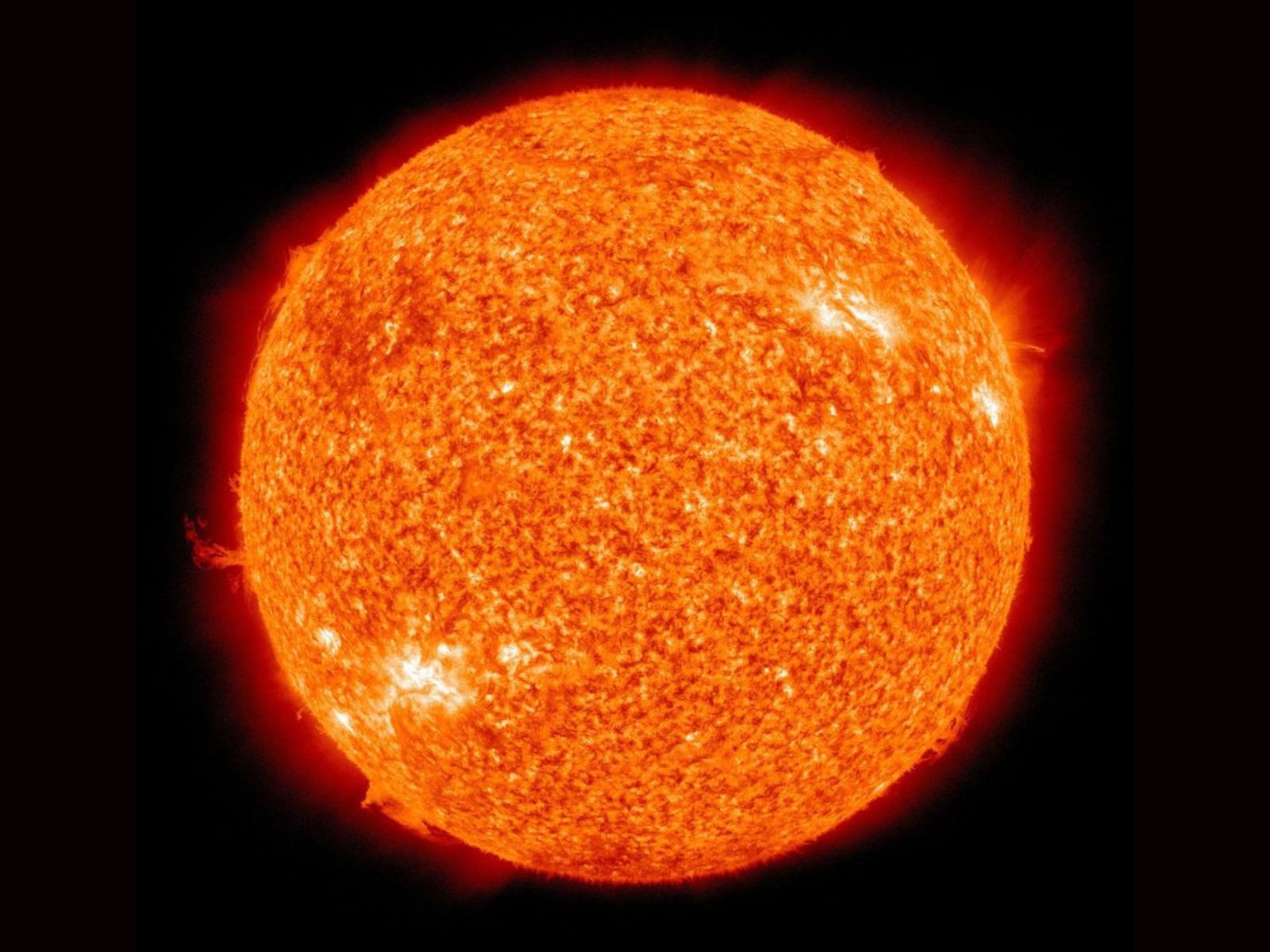
The Sun completes a cycle approximately every 11.2 years, and its activity increases at the end of each cycle. These past few weeks have been marked by intense solar flares, causing auroras in unusual areas on Earth. And this could happen again in the near future, as a sunspot 15 times larger than Earth is currently visible on the Sun's surface.
It is important to note that sunspots are cold regions that form around areas of intense magnetic activity. They cause solar flares and coronal mass ejections at various times. And currently, it is the AR4366 sunspot that fascinates astronomers. Directed straight towards the Earth, it has continued to grow since it was discovered on January 30, 2026.
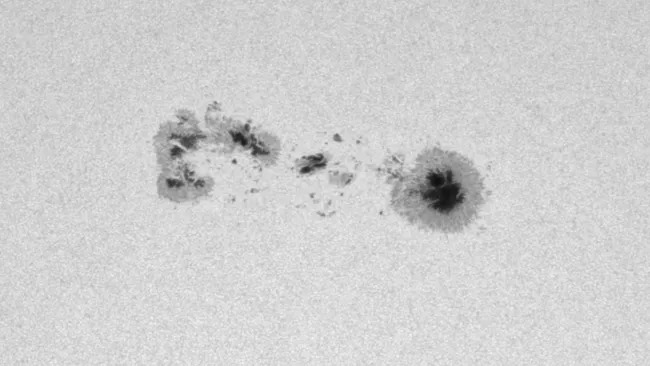
Indeed, its size would be about 170,000 km. And that's not all, because it is quite active. Since its discovery, it has triggered 20 M- and X-class solar flares. If you don't know what that means, these are the most powerful categories of solar flares.
Moreover, since it is directed towards Earth, it is possible to observe it in broad daylight. But be careful, don't look at the Sun with the naked eye, as this could cause damage. To do so, you can use solar eclipse glasses. And if you have a telescope with a special filter, you can also observe this sunspot.
Source(s)
Image source: NASA Solar Dynamic Observatory via Helioviewer.org


 Add as a preferred