




New observations show that Jupiter is smaller than expected
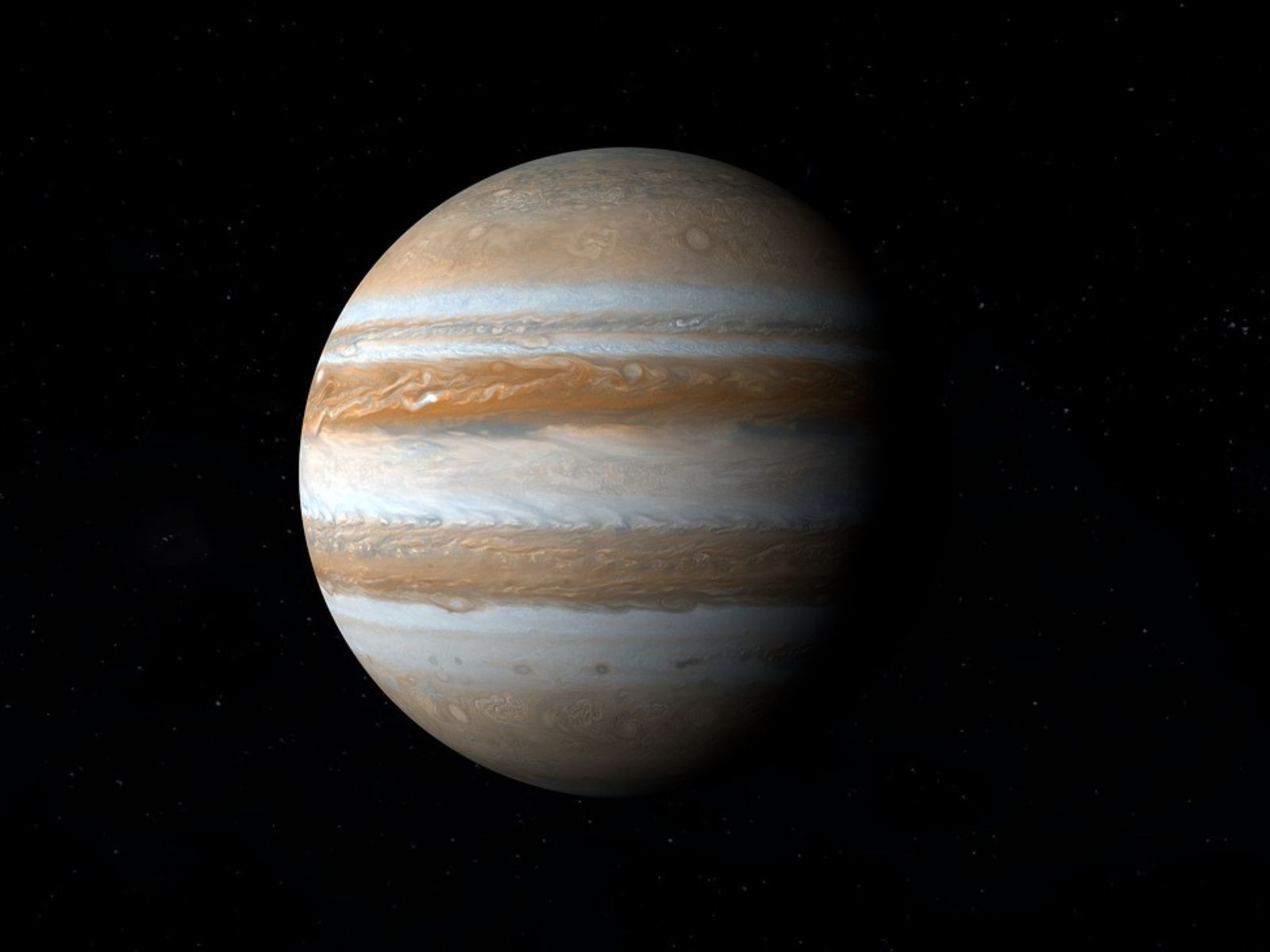
The largest planet in our solar system may actually be smaller than we thought. New measurements taken by NASA's Juno probe show a difference compared to previous estimates. Until now, Jupiter measured 142,984 kilometers in diameter at the equator and 133,708 kilometers from pole to pole.
But new data from the Juno probe, which is currently orbiting this planet, shows a difference of 8 kilometers at the equator and 24 kilometers at the poles. And if it may seem insignificant, it should be noted that Jupiter is a reference for the study of other gas giants.
In other words, if astronomers have a better understanding of this planet, studies will be more accurate, particularly regarding their composition. On this subject, Eli Galanti, who led this study published in the journal Nature Astronomy, explains:
"These few kilometers matter. Shifting the radius by just a little lets our models of Jupiter's interior fit both the gravity data and atmospheric measurements much better."
To obtain better results, the Juno probe passed behind Jupiter while sending radio waves towards Earth. Astronomers were able to measure its size according to the places where signals were deflected or stopped. In addition, this probe has taken 26 additional measures, allowing to provide accurate data that will be used for future studies.
Source(s)
 Add as a preferred source on Google


