




Astronomers observe a star turning into a black hole in the Andromeda galaxy
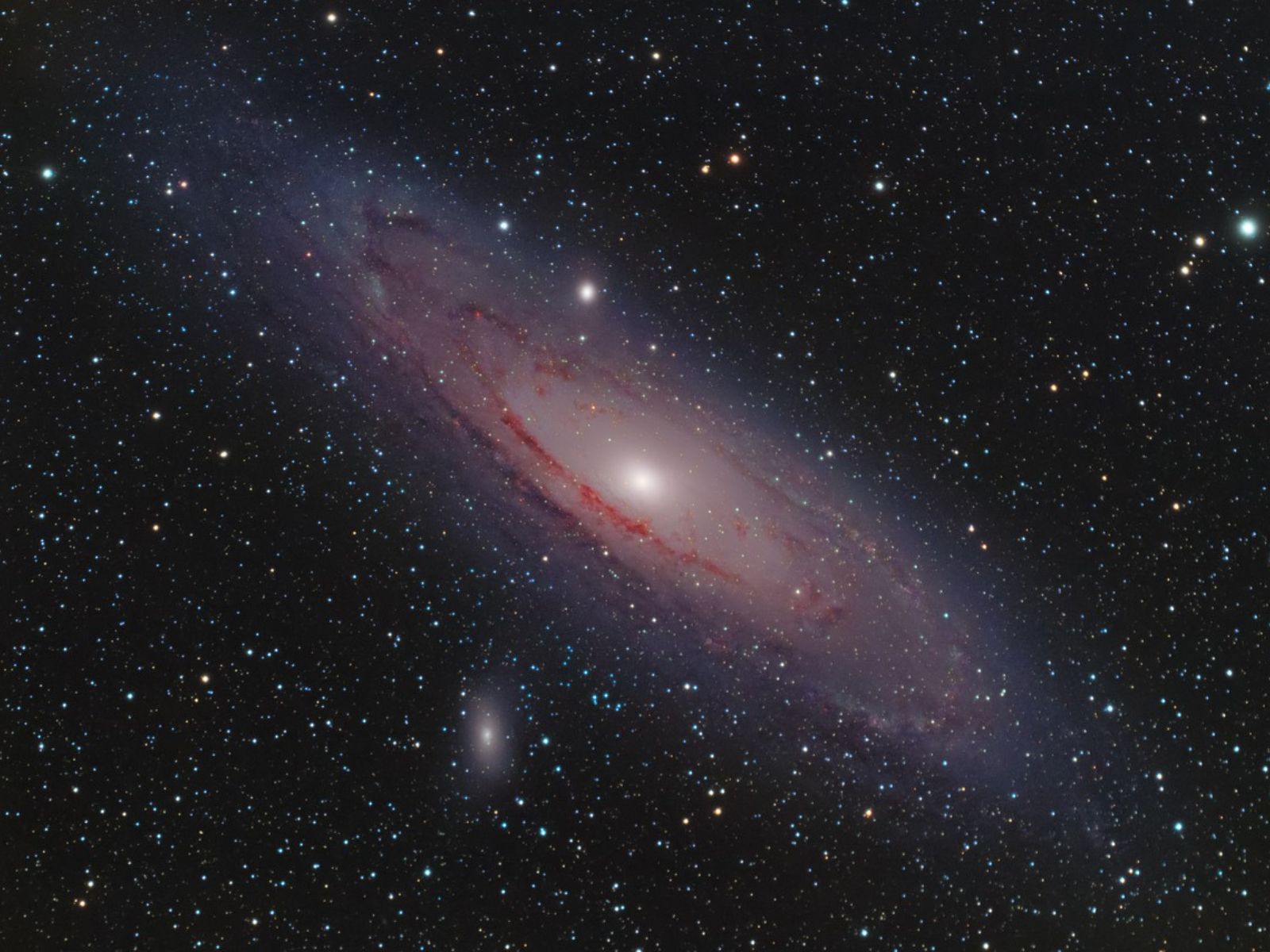
The fate of stars is often tragic, because after several billion years, they turn into supernovae. But the most massive stars also turn into black holes, as was the case with M31-2014-DS1, one of the brightest stars in the Andromeda galaxy, located more than 2.5 million light-years away and with a mass 13 times greater than that of the Sun.
It is by analyzing data from NASA's Neowise mission that a team led by Kishalay De of Columbia University discovered that this star had increased in brightness more than 10 years ago, becoming 100,000 times brighter than the sun, before mysteriously disappearing in 2023. To confirm this, observations were made using the Hubble Space Telescope, and Kishalay De explains:
"That's when it clicked. Stars that are this bright, this massive, do not just randomly disappear into darkness."
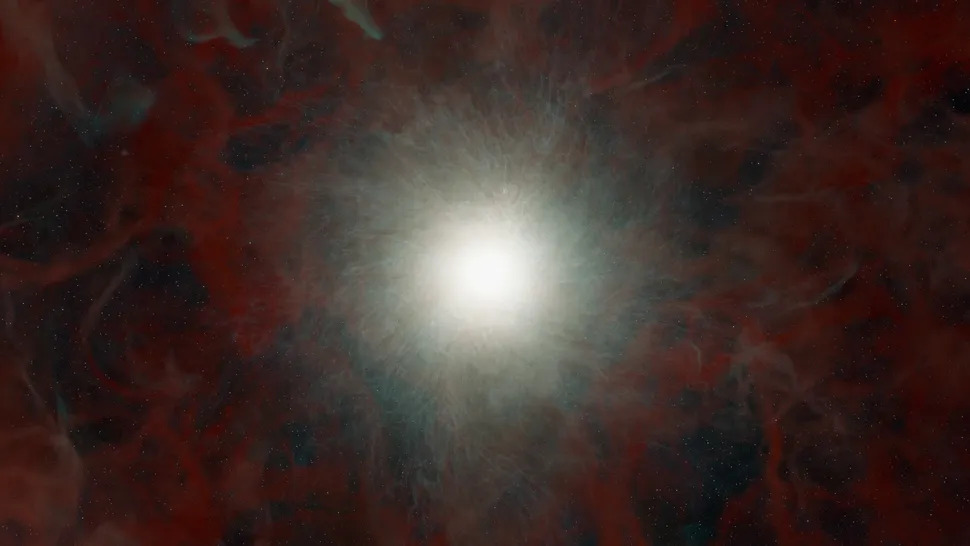
Indeed, according to astronomers, such massive stars transform into supernovae, then into neutron stars or black holes. However, in the case of M31-2014-DS1, no similar explosion appears to have occurred. According to Kishalay De, the core of this star collapsed in just a few hours, and a faint infrared glow is still visible. But this new black hole is difficult to observe because it is too small. Furthermore, it is possible that this discovery will lead to the identification of new black holes in the universe, particularly by observing stars that have disappeared.
Source(s)
 Add as a preferred source on Google


