




Astronomers have discovered a collision between two neutron stars in a small galaxy
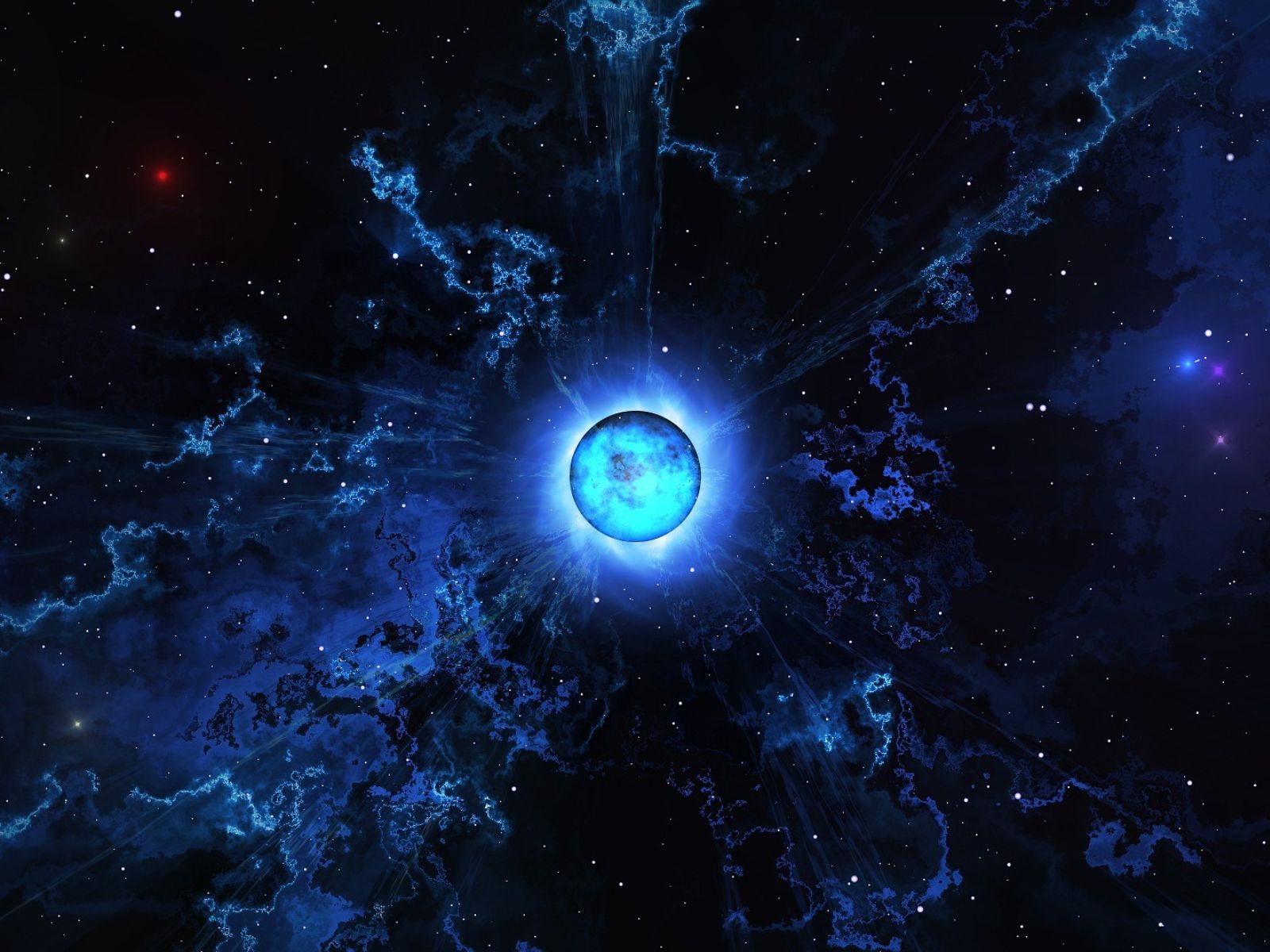
Neutron stars are small stars with a diameter of about 15 kilometers and a mass 1.5 times greater than that of the Sun. Formed after the collapse of a massive star, they have an extremely high density. And while astronomers believe that these celestial objects are among the most extreme in the universe, an important discovery was recently published in The Astrophysical Journal Letters.
Indeed, they discovered a collision between two neutron stars in a small galaxy. Although this may not seem surprising, it's a first, because these phenomena are usually observed in galaxies of medium or large size. To discover this event, named GRB 230906A, they used the Chandra X-ray Observatory, which showed them the exact location of this collision. Then, they used the Swift and Hubble telescopes to get images of this place, revealing a small galaxy located 4.7 billion light-years away.

In addition, according to Simone Dichiara from Pennsylvania State University, who also led the study, this discovery could solve two puzzles. Indeed, some gamma-ray bursts generated by this phenomenon sometimes do not appear in the host galaxy or in nearby galaxies because of their small size. It could also help explain why certain heavy metals, such as gold and platinum, are found far from the center of galaxies. And regarding this element, astronomers believe that a collision between two neutron stars can produce these metals, which are then found in new stars. But further studies will need to be conducted to confirm this hypothesis.
Source(s)
The Astrophysical Journal Letters
Image source: NASA/CXC/Penn State Univ./S. Dichiara; IR: NASA/ESA/STScI; Illustration: ERC BHianca 2026 / Fortuna and Dichiara, CC BY-NC-SA 4.0; Image Processing: NASA/CXC/SAO/P. Edmonds
 Add as a preferred source on Google


