




Astronomers discover 118 new exoplanets using AI and NASA’s TESS satellite
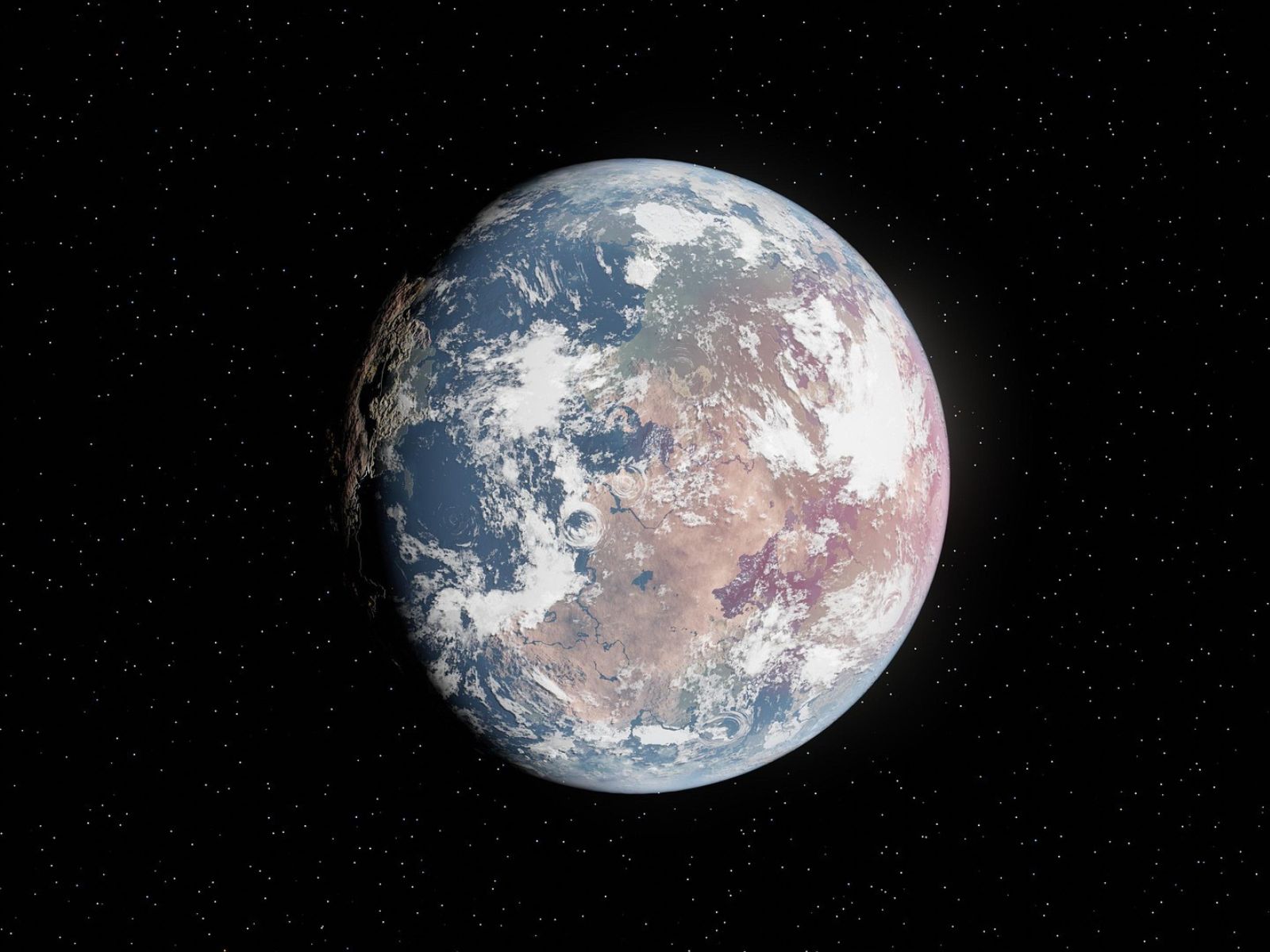
AI can be a powerful tool for astronomers, particularly for discovering new worlds in the universe. This is the case with RAVEN, an AI system capable of analyzing data from the TESS satellite and detecting new exoplanets.
And according to a study published in Monthly Notices of the Royal Astronomical Society, the results are promising. Indeed, Dr. Marina Lafarga Magro, a researcher at the University of Warwick, explains that more than 100 exoplanets have been validated:
"Using our newly developed RAVEN pipeline, we were able to validate 118 new planets and over 2,000 high-quality planet candidates, nearly 1,000 of which are entirely new."
However, this system detects only exoplanets with orbital periods under 16 days. And it has identified several types, including multi-planet systems, Neptunian desert planets, and ultra-short-period planets.

Thus, this AI can make the difference between an exoplanet that dims the light of its star and a distant object causing the same phenomenon. And that's not all, because it can also perform multiple tasks simultaneously, which is a major advantage for detecting new worlds, as Dr. David Armstrong, an associate professor at the University of Warwick, explains:
"RAVEN allows us to analyze enormous datasets consistently and objectively. Because the pipeline is well-tested and carefully validated, this is not just a list of potential planets, it is also reliable enough to use as a sample to map the prevalence of distinct types of planets around sun-like stars."
Finally, this AI could also help solve one of the greatest mysteries, which is to know if we are alone in the universe. Indeed, as we discover more and more exoplanets, some of them might be located in the habitable zone of their star, like these 45 exoplanets.
 Add as a preferred source on Google


