




These 45 exoplanets are most likely to harbor life
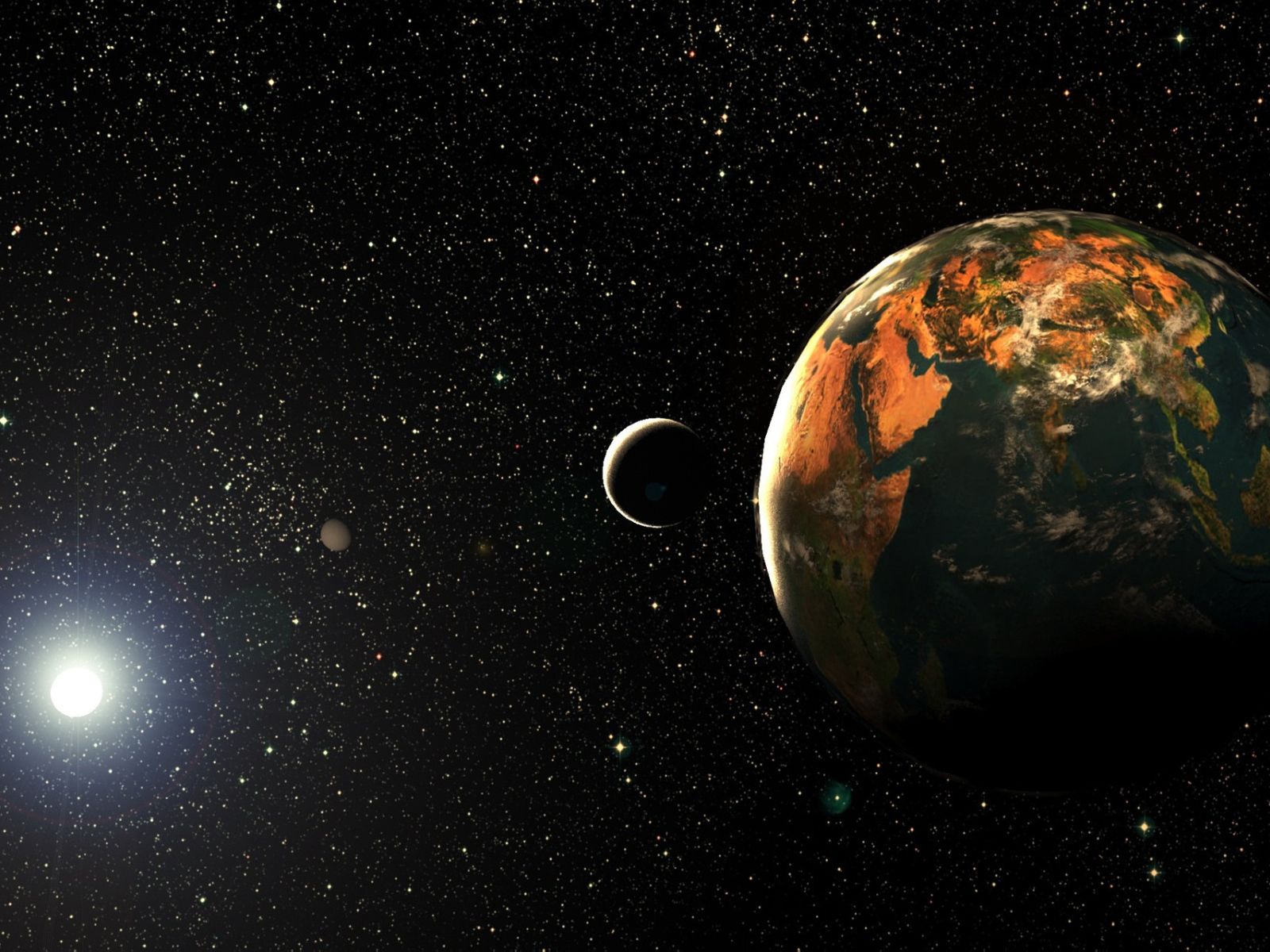
For many years, the search for life elsewhere in the universe has been a goal for many astronomers. Indeed, it must be said that there are billions of planets in the universe orbiting different stars.
Thus, while more than 6,000 exoplanets have been discovered with the help of various devices, such as the TESS satellite, few are located in the habitable zones of their stars. And this is a key factor in the development of life.
Therefore, in a study published in the Monthly Notices of the Royal Astronomical Society, astronomers have identified 45 rocky exoplanets in the universe that could potentially support life. And that’s not all, because among these worlds, some are well-known, such as Proxima Centauri b, located about 4 light-years away, and TRAPPIST-1f.
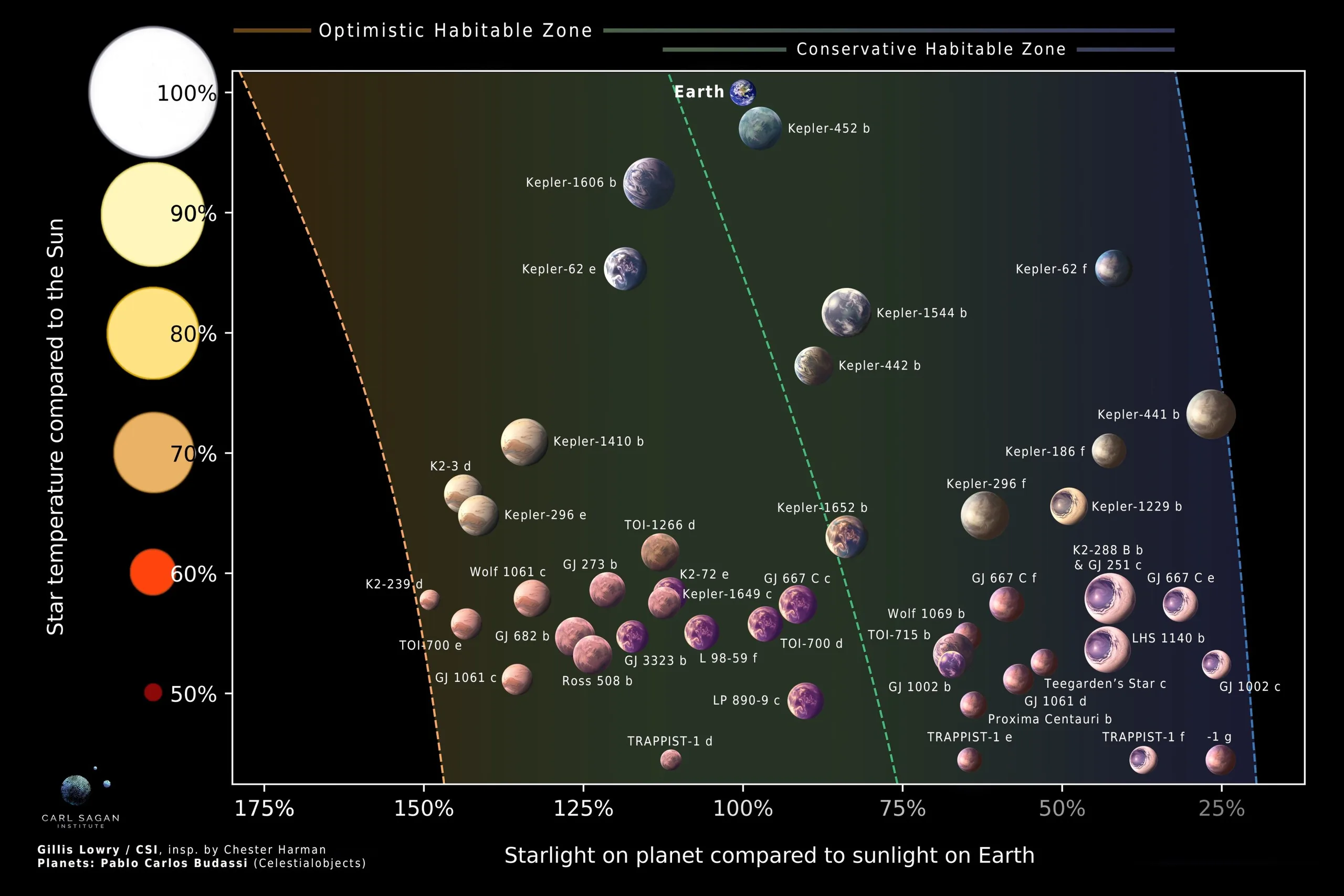
But according to astronomers, some exoplanets are more interesting than others, particularly TRAPPIST-1 d, e, f, and g. Indeed, located about 40 light-years from Earth, they could have liquid water on their surfaces. In addition, other worlds receive the same amount of light as the Earth, making them promising candidates. As a result, this would allow astronomers to better understand the habitable zone of the stars and refine future research. Finally, this could also help to discover new exoplanets in the universe and potentially solve this mystery.
 Add as a preferred source on Google


