




A new rocky super-Earth has been discovered thanks to the TESS satellite
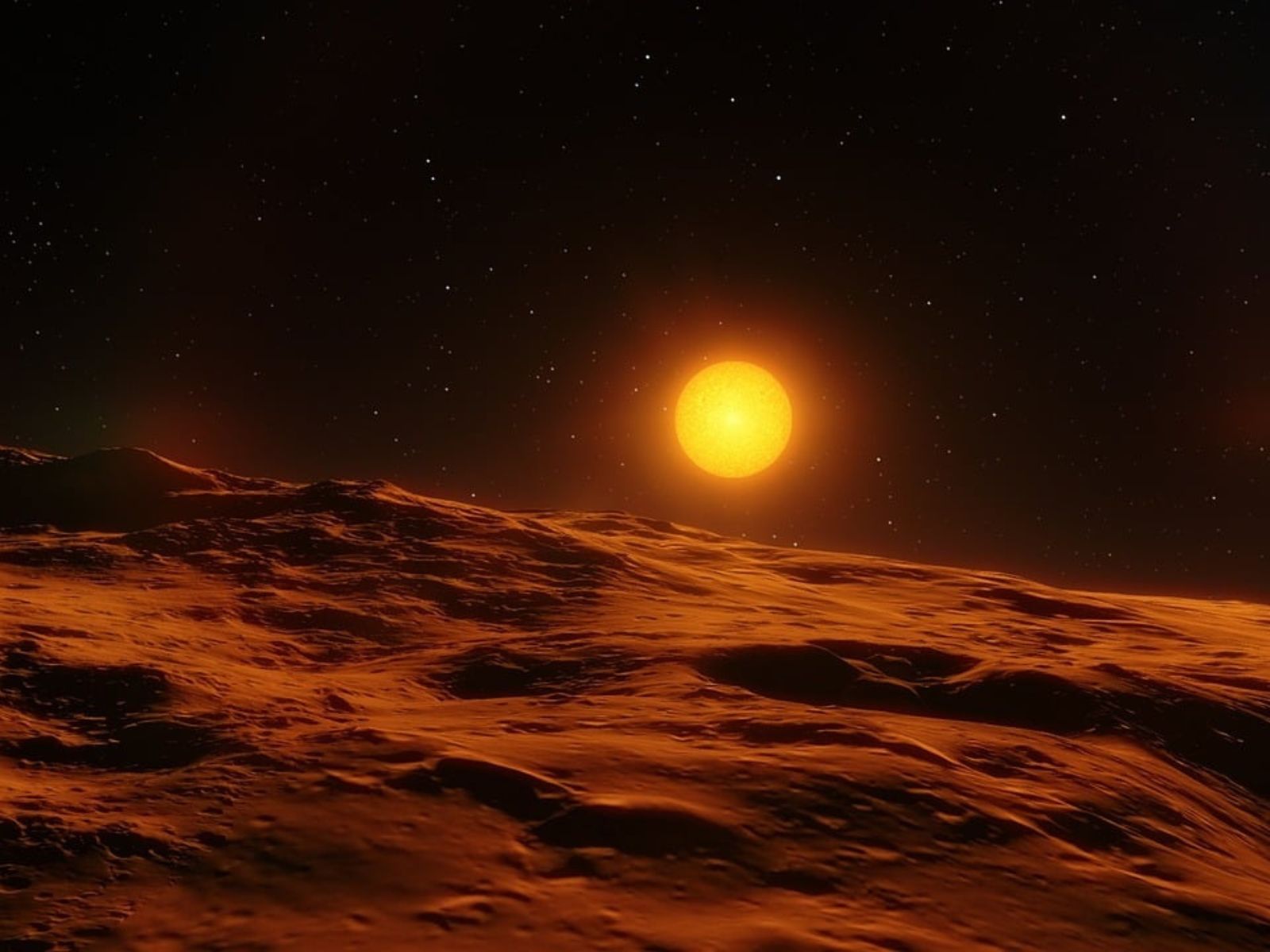
Recently, astronomers have discovered a new super-Earth thanks to data provided by the TESS satellite. Orbiting a star located about 83 light-years from Earth, this new world may be rocky and also appears to be larger than our planet.
This discovery was made by a team of astronomers led by Yilen Gómez Maqueo Chew of the National Autonomous University of Mexico. And they used a method that has also led to the discovery of other exoplanets in the universe, such as TOI-1452 b.
Indeed, they detected this exoplanet by observing a dip in brightness as it passed in front of the star TOI-1080. According to initial findings, it could be a super-Earth named TOI-1080 b. Its radius would be about 1.2 times that of Earth, and its mass about 1.75 times that of Earth. But its orbital period is quite surprising, as it orbits its star in just 3.97 days.
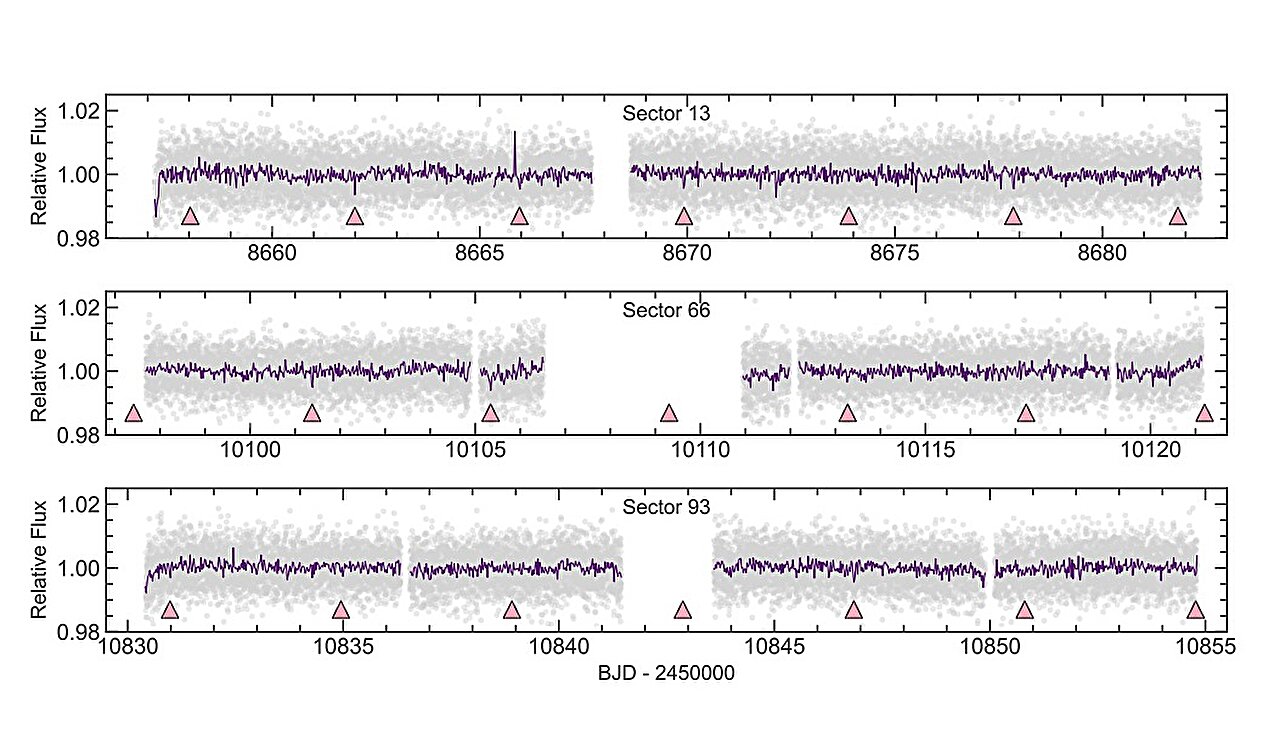
But while it could be a rocky exoplanet, there is no evidence of life on this celestial object. Indeed, it lies outside its star's habitable zone, and astronomers believe that it has an atmosphere composed of carbon dioxide. As for the host star of this exoplanet, it is smaller than the Sun with a mass of about 0.16 solar masses.
And that's not all, because with an estimated age of between 5 and 7 billion years, other planets could orbit this red dwarf. But to discover these new worlds, further observations will be needed using the TESS satellite. And as a reminder, this device has already identified more than 7,900 potential exoplanets.
Source(s)
 Add as a preferred source on Google


