




This distant galaxy has lost 95% of its brightness in less than 20 years
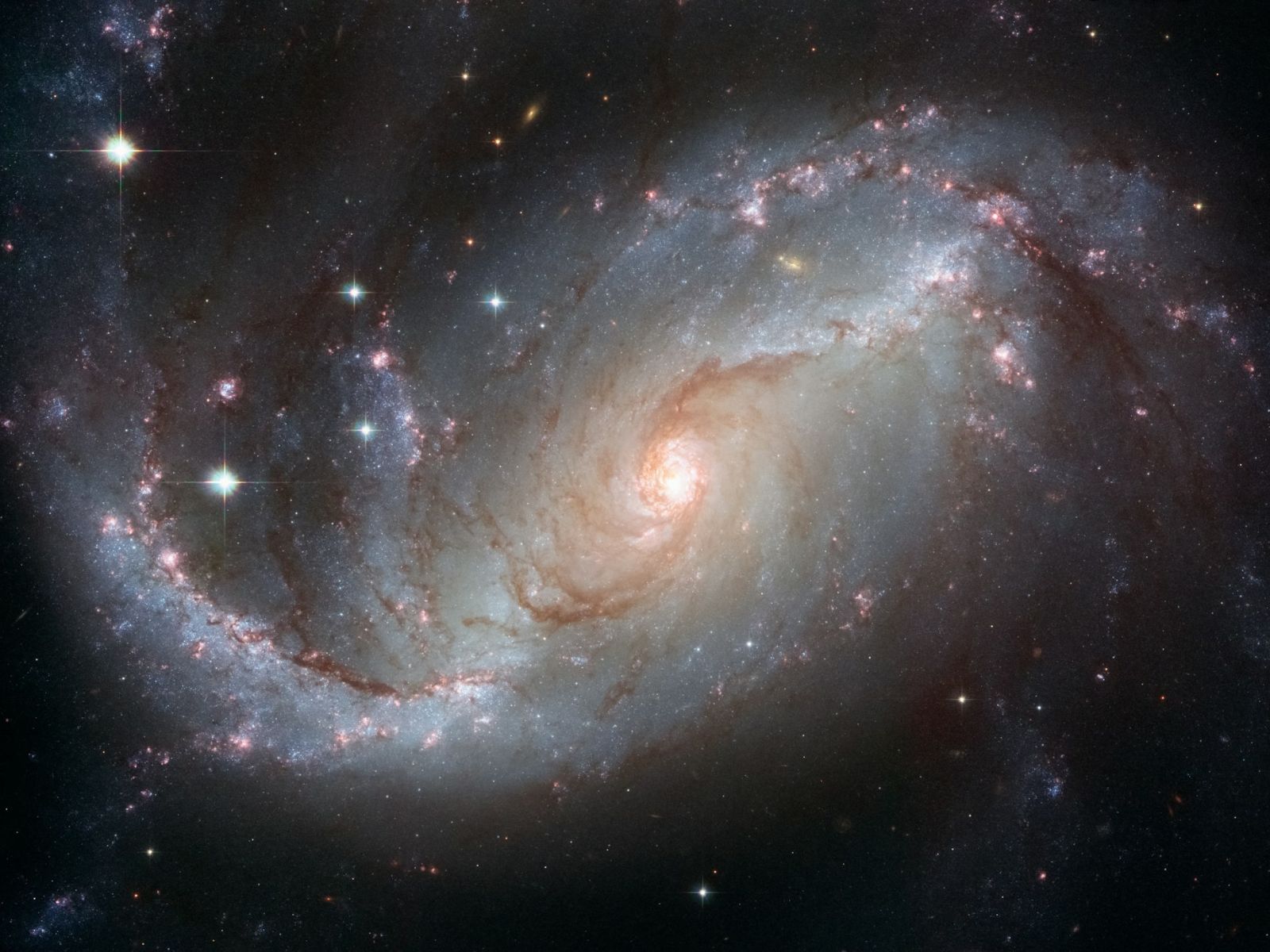
The universe still holds many surprises for astronomers. Indeed, after discovering a galaxy near the Andromeda Galaxy and an exoplanet located nearby the solar system, they have detected a galaxy, located about 10 billion light-years away, that is gradually disappearing.
Indeed, at the center of many galaxies, there is a supermassive black hole, such as in the Milky Way. As a result, when this black hole is surrounded by a large amount of gas and dust, its gravitational pull creates an accretion disk, which is a very bright structure.
However, for the galaxy J0218−0036, the situation is quite different. A team of astronomers has published a study in Publications of the Astronomical Society of Japan (PASJ), stating that this galaxy has lost 95% of its brightness in less than 20 years. And that's not all, because they noticed that this decline began in the early 2000s.
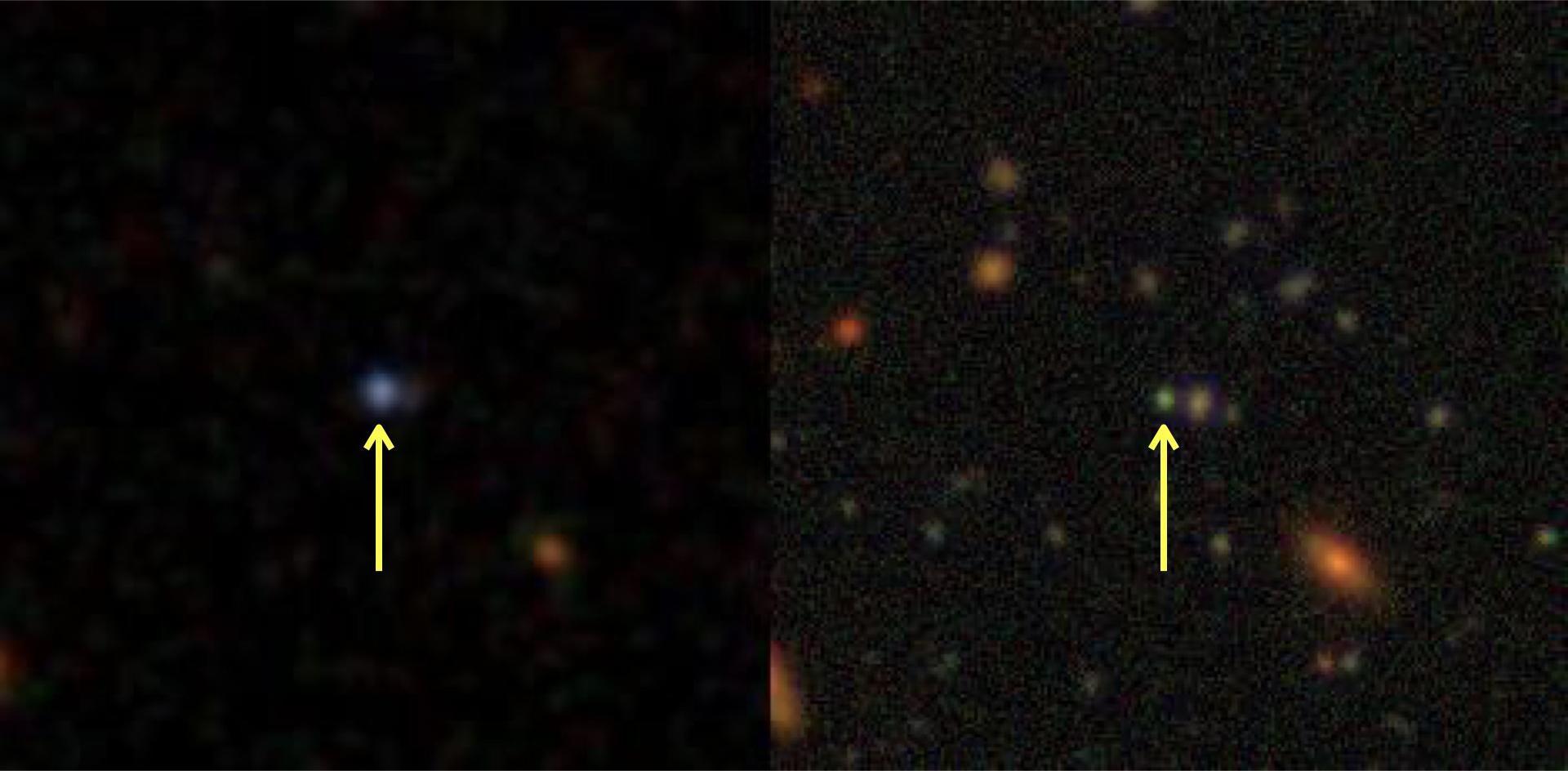
To explain this phenomenon, it appears that the black hole at its center is no longer fed by gas and dust. And this is a surprising discovery, as Tomoki Morokuma of the Chiba Institute of Technology explains:
"It is fascinating that an active galactic nucleus can change its brightness so dramatically over such a short period of time, and that this fading appears to be caused by a large change in the accretion rate onto the supermassive black hole."
In addition, astronomers also believed that a gas cloud was responsible for this event. But that was not the case, and additional studies will be needed to better understand this phenomenon.
Source(s)
Image source: SDSS, HSC-SSP/NAOJ / NASA Hubble Space Telescope - Unsplash
 Add as a preferred source on Google


