




An asteroid with a diameter of 260 km may have caused the largest crater on the Moon
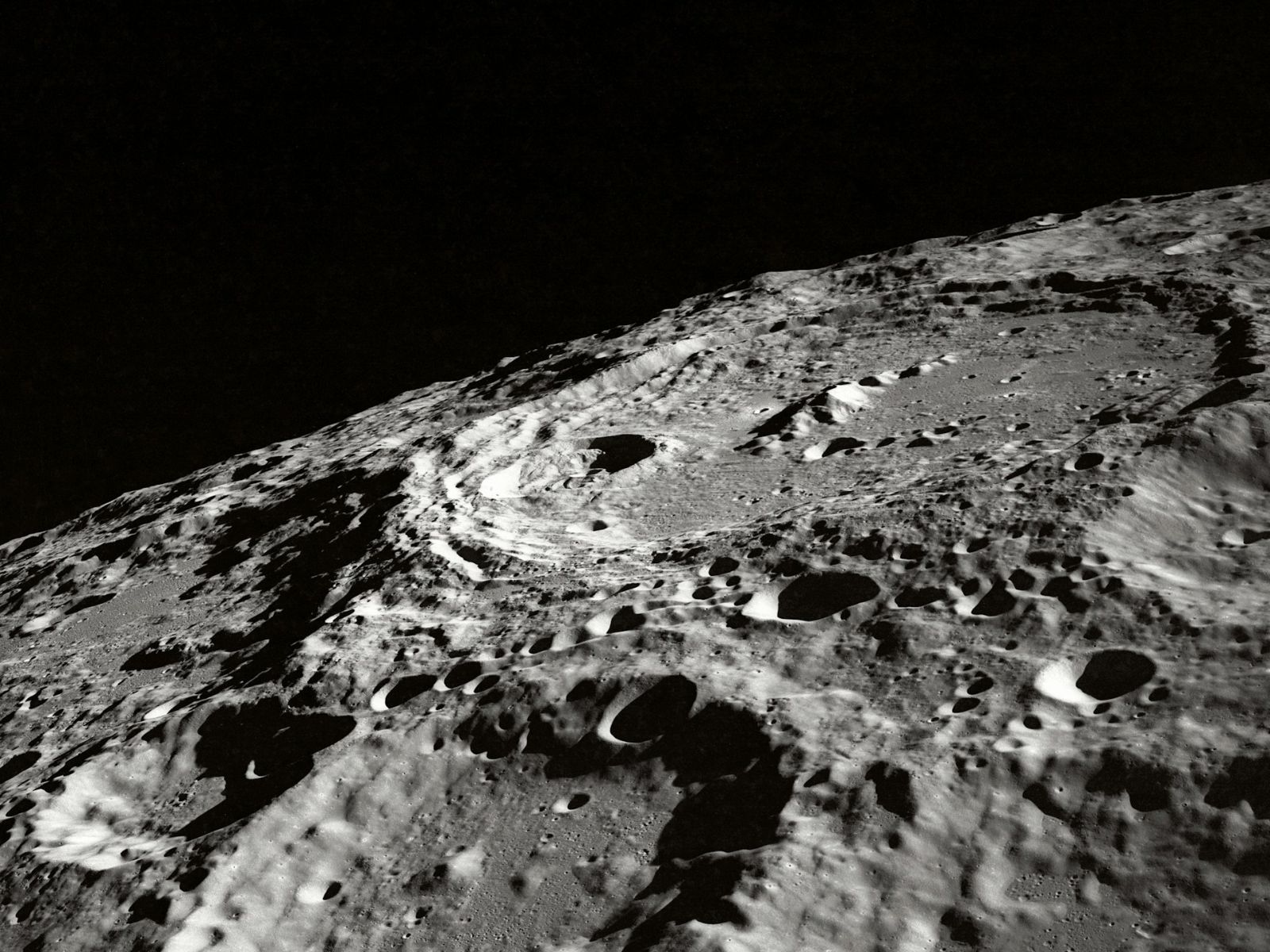
When we look at the Moon, with the naked eye or through a telescope, we can see numerous craters on its surface. The largest crater, named the South Pole–Aitken basin, measures more than 1,550 miles in diameter (about 2,500 km), and astronomers may have recently identified its origin.
It must be said that the SPA basin is still mysterious, despite its scientific importance. Indeed, it may contain materials from the moon's mantle, which is of great interest to scientists. However, a team of researchers led by Shigeru Wakita of Purdue University conducted 3D simulations and discovered that the impact was likely caused by an asteroid measuring 260 km in diameter. And that’s not all, because according to astronomers, this celestial object would have been composed of iron and rock.
Going further, this asteroid struck the Moon at a shallow angle of 30 degrees and with a speed of about 13 km per second. By studying the effects of this powerful impact, astronomers estimate that fragments of the lunar mantle were ejected toward the Moon's South Pole.
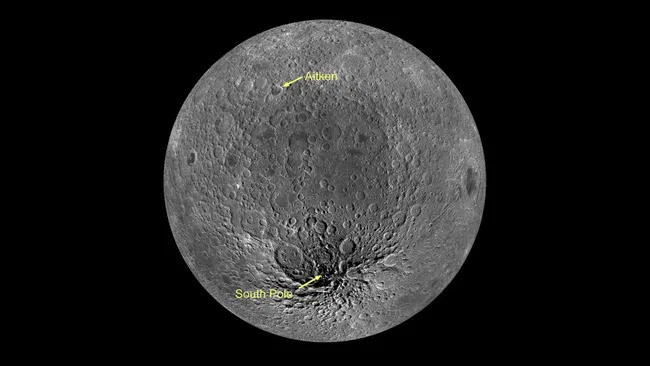
In addition, according to the authors of the study, astronauts could collect these fragments during a mission in 2028:
"Our work suggests that NASA's Artemis mission, which will send astronauts to the moon, is likely to sample SPA ejecta, if it lands as planned in the south polar region of the moon."
Indeed, this could help scientists to determine when the impact occurred. And, as a result, to better understand our natural satellite.
Source(s)
Image source: NASA/GSFC/Arizona State University - NASA Hubble Space Telescope / Unsplash
 Add as a preferred source on Google


