




A protostar discovered by astronomers has strange behavior
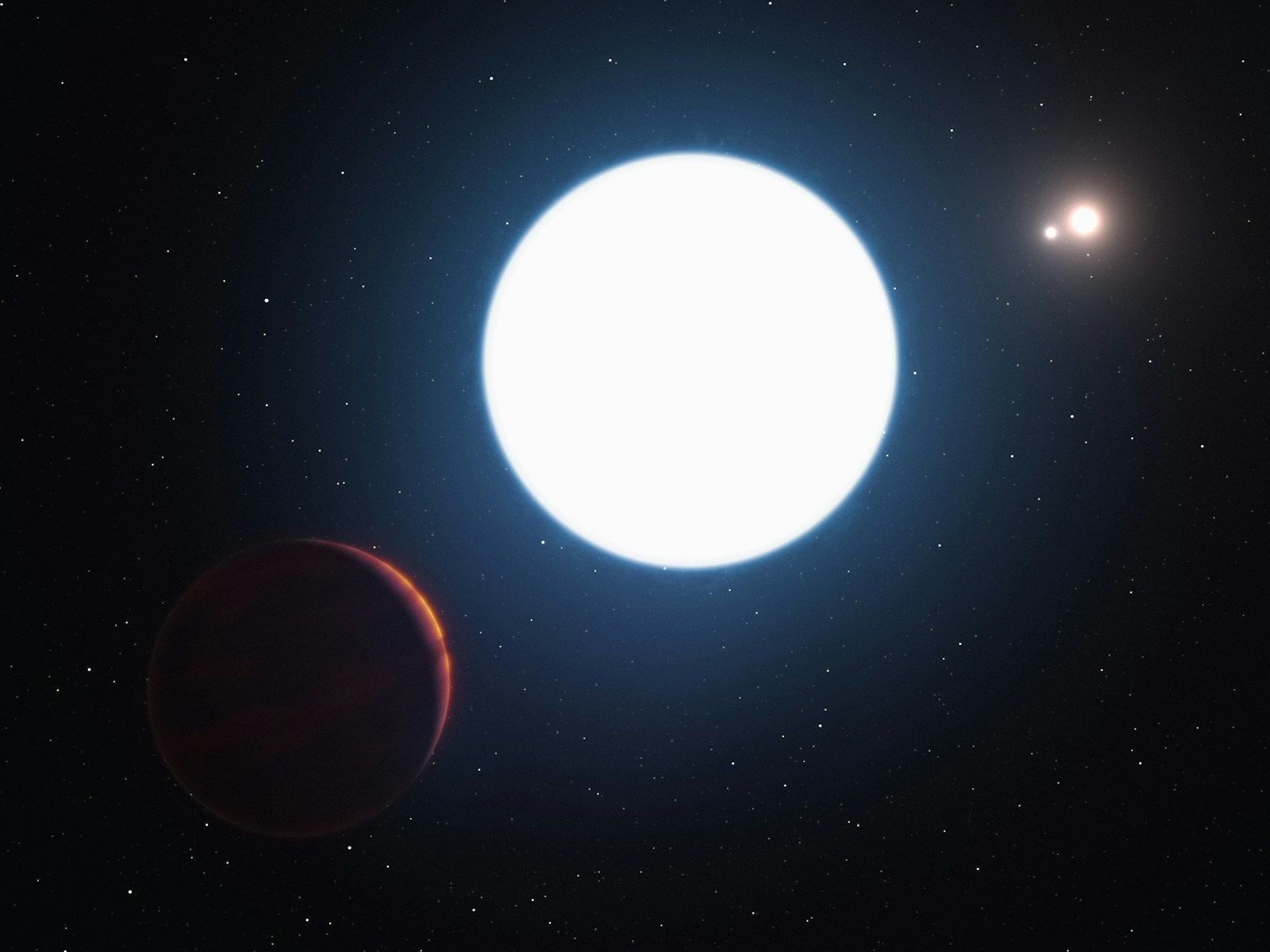
Although astronomers observe many stars and discover new ones every year, the stages of their formation remain unknown. Indeed, they know that these celestial objects form in regions where the density of gas and dust is high. But it is very difficult to observe what happens next, because young stars are located in protostellar disks that block their light.
However, thanks to the ALMA Observatory in Chile, astronomers have discovered a young star named MC 27 located in the Taurus molecular cloud, about 430 light-years from Earth. This is a remarkable discovery, as it is one of the youngest stars ever observed.
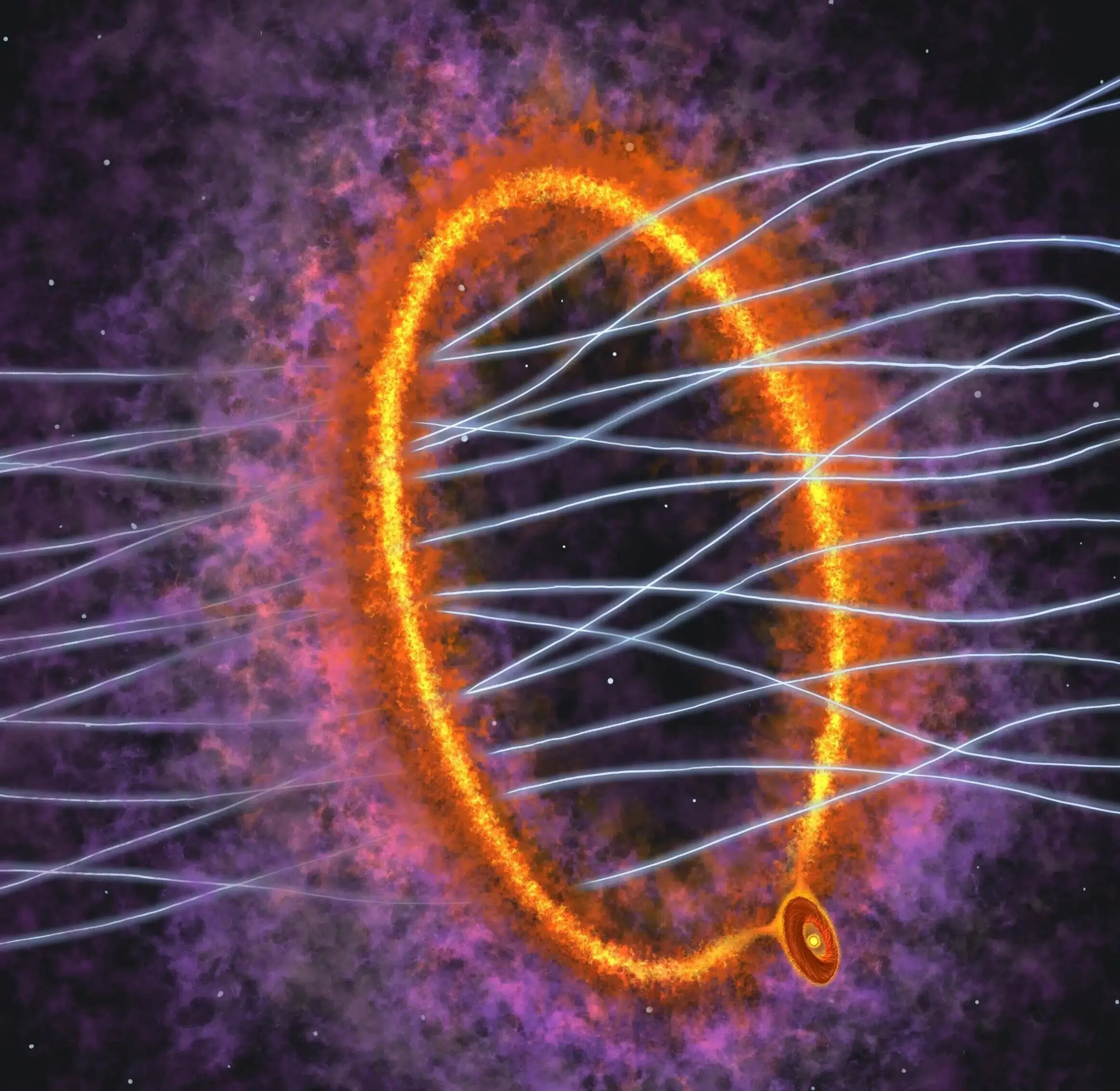
But around this star, astronomers also found a massive ring of gas measuring about 1,000 astronomical units, and Kazuki Tokuda explains:
"Our data showed that this ring is slightly warmer than its surroundings. We hypothesize that it is produced through a magnetic field threading the protostellar disk. In essence, the ‘sneezes’ we’ve observed in the past, but at a much bigger scale."
To explain the formation of this ring, scientists believe that it is caused by an interaction between the magnetic field and the protostellar disk. This would generate shock waves that heat the surrounding gas. However, although this star allows astronomers to learn new things, this explanation is only a hypothesis that needs further research. And this, in order to unravel the mystery surrounding star formation.
Source(s)
 Add as a preferred source on Google


