




Astronomers have discovered a unique exoplanet located about 35 light-years away
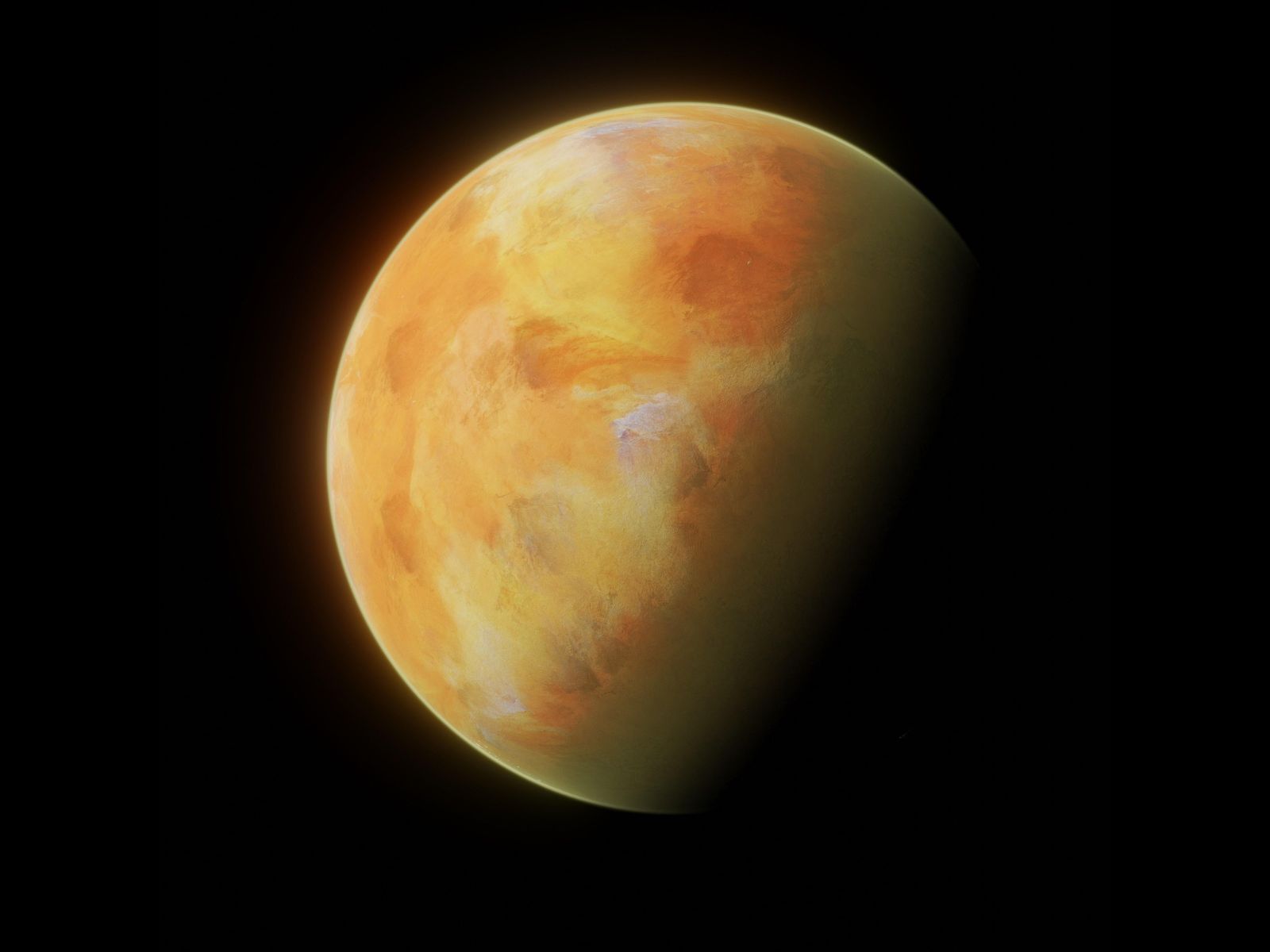
Observing the universe in search of new worlds allows astronomers to make many discoveries. This was the case with the TESS satellite, which recently helped identify a rocky super-Earth in another star system.
But recently, astronomers published a study in Nature Astronomy highlighting a unique exoplanet. Named L 98-59 d, it is part of a star system containing four other exoplanets located about 35 light-years away. Its radius is about 1.6 times that of Earth, but its density is lower. On this subject, astronomers believed that this exoplanet had a very dense atmosphere and a small rocky core.
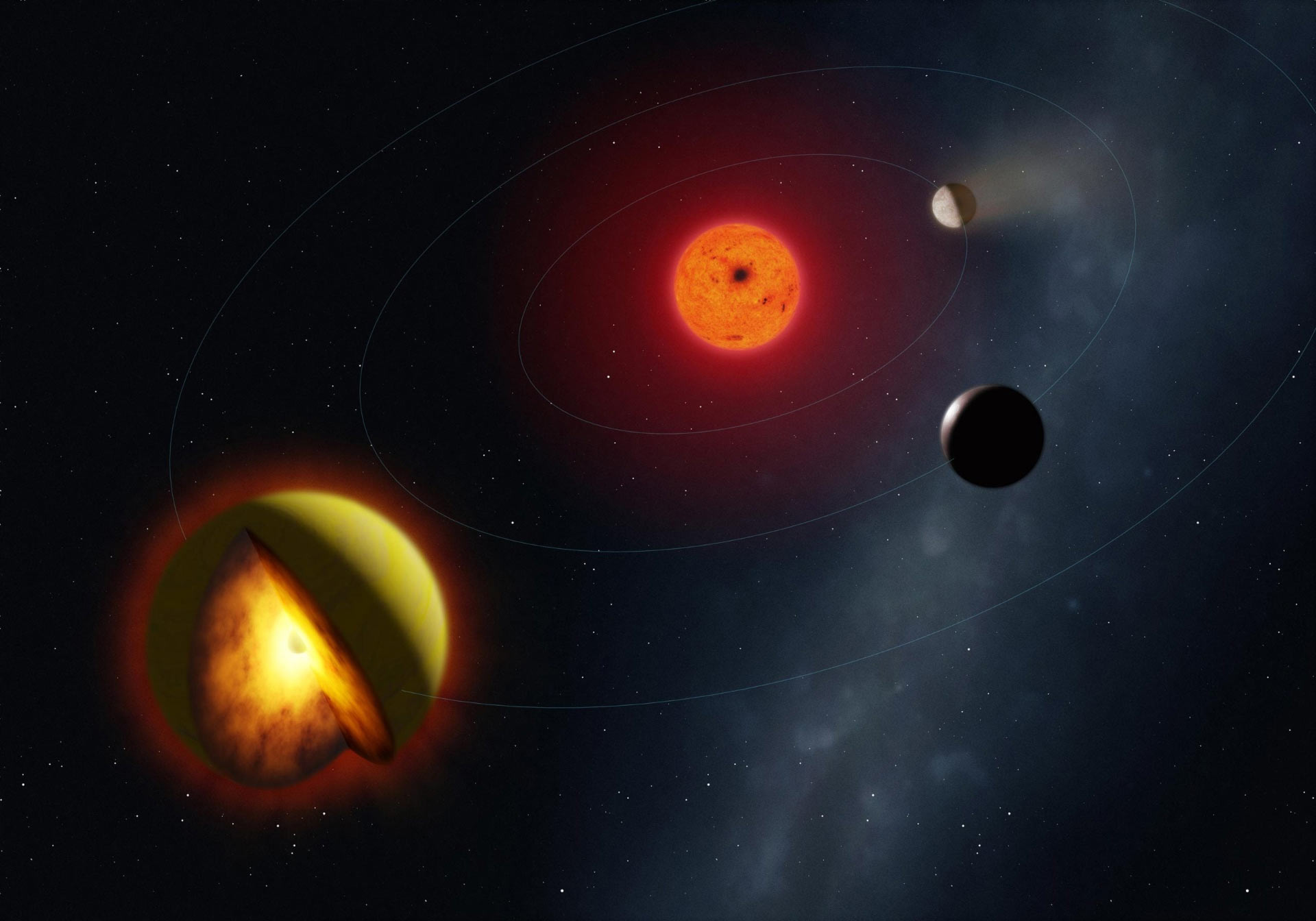
To unravel the mystery surrounding its density, they used the James Webb Space Telescope, and this world is one of a kind. Indeed, L 98-59 d has a very dense atmosphere that covers a huge ocean of magma. And that's not all, because according to research, it is its atmosphere that is responsible for the formation of this ocean.
While many mysteries about this planet remain to be uncovered, astronomers believe that several similar worlds exist in other galaxies. And thanks to various instruments, it will be possible to discover them. Indeed, the PLATO space telescope, which is set to launch soon, could detect new rocky exoplanets in the universe, which would help scientists to better understand them.
Source(s)
 Add as a preferred source on Google


