




Astronomers have determined the age of a brown dwarf located 57 light-years away
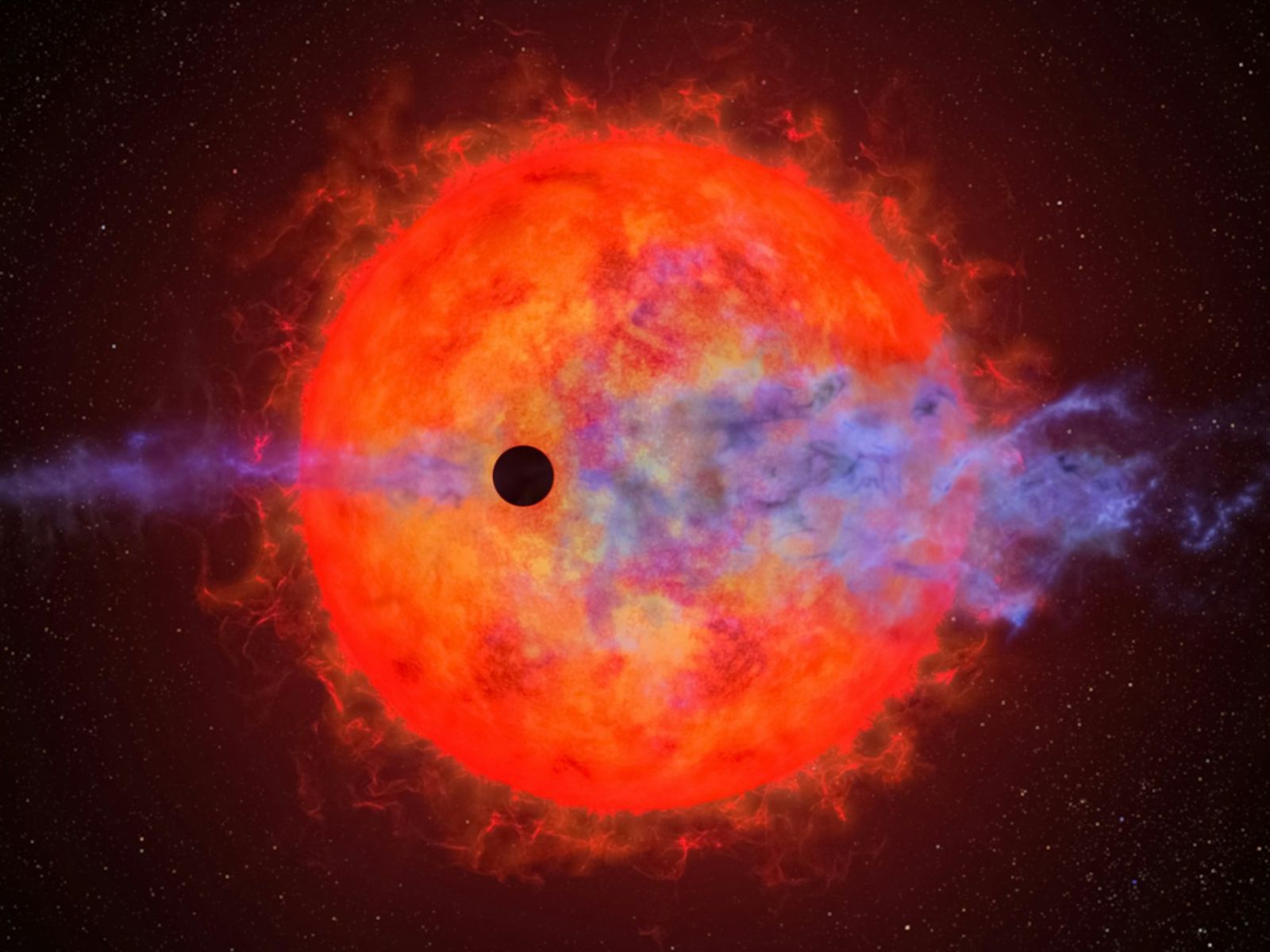
Brown dwarfs, also known as failed stars, are mysterious celestial objects. Therefore, to better understand them, it is necessary to conduct various studies and observations. This is what a team from the University of Hawaii’s Institute for Astronomy did with HR 7672, a system composed of a star similar to the Sun and a brown dwarf.
It was with the help of the W. M. Keck Observatory and the Keck Planet Finder instrument that astronomers were able to determine the age of this celestial object. Indeed, previous observations showed that this brown dwarf formed at the same time as the star. And by studying the star’s pulsations, the team estimated that the system was about 2.3 billion years old.
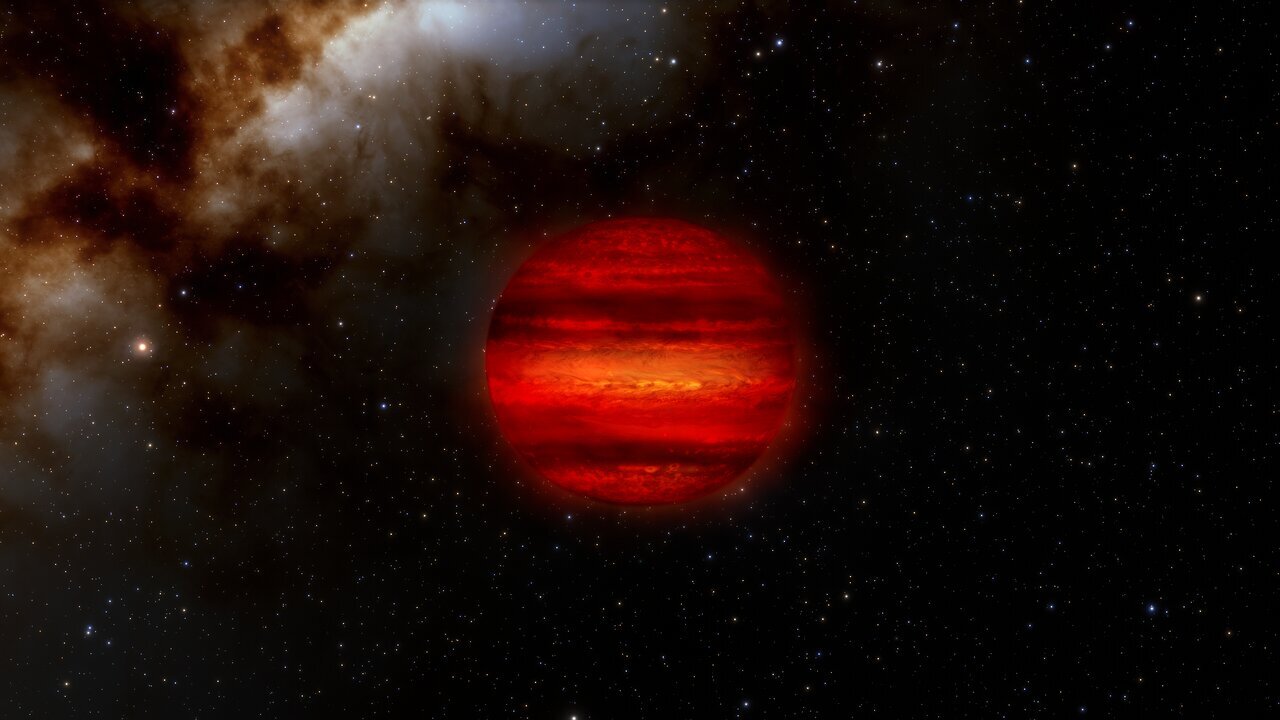
And this is a very important discovery for the study of these objects in the universe, as Yaguang Li explains:
"The 18% age uncertainty establishes the HR 7672 system as a valuable benchmark for years to come. This is like finally having a reliable clock for an object we've been trying to understand for years. It really helps us place evolutionary models under stringent tests and determine which physical ingredients are correct."
Indeed, astronomers have been studying this system for more than 20 years. HR 7672B is the first brown dwarf observed orbiting a star similar to the Sun. And this discovery could help astronomers to study other brown dwarfs in the universe and, consequently, better understand them.
Source(s)
 Add as a preferred source on Google


