




Astronomers discover a super-Earth that may have an atmosphere orbiting a red dwarf
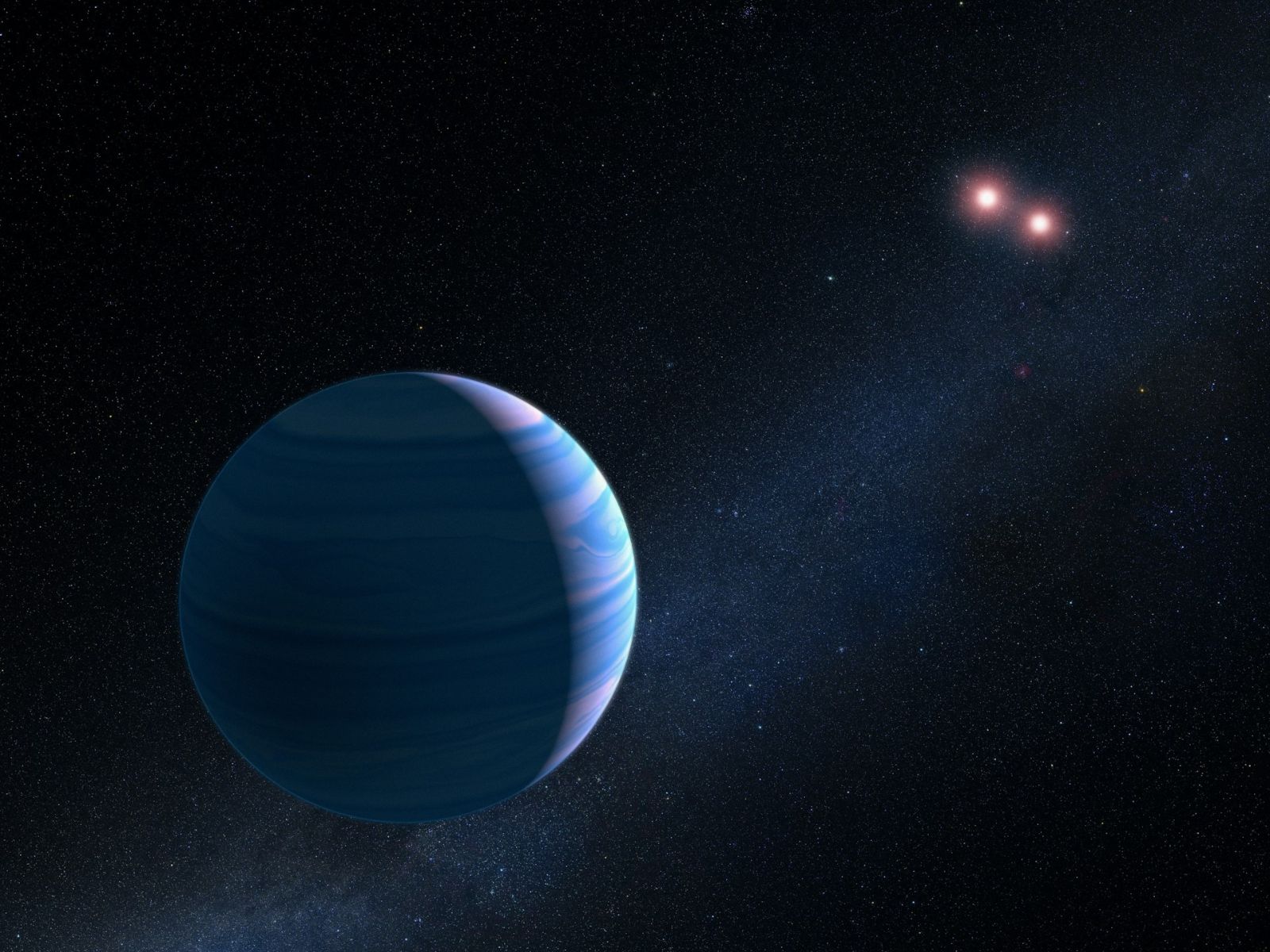
The study of the universe allows astronomers to answer many questions. But one of the biggest mysteries is whether life exists elsewhere in the universe. And to answer this question, scientists observe space in order to discover new exoplanets.
This is what a team of astronomers led by Giuseppe Conzo from the amateur astronomy association Gruppo Astrofili Palidoro (GAP) did by studying Ross 318. This star is a red dwarf located just 28 light-years from Earth and has an orbital period of about 51.5 days.
However, its magnetic activity is very high, and astronomers analyzed data from the Carmenes spectrograph, the High Resolution Echelle Spectrometer (HIRES), and data provided by the TESS satellite. As a result, they discovered an exoplanet named Ross 318 b, which is located just 0.16 AU from its star.
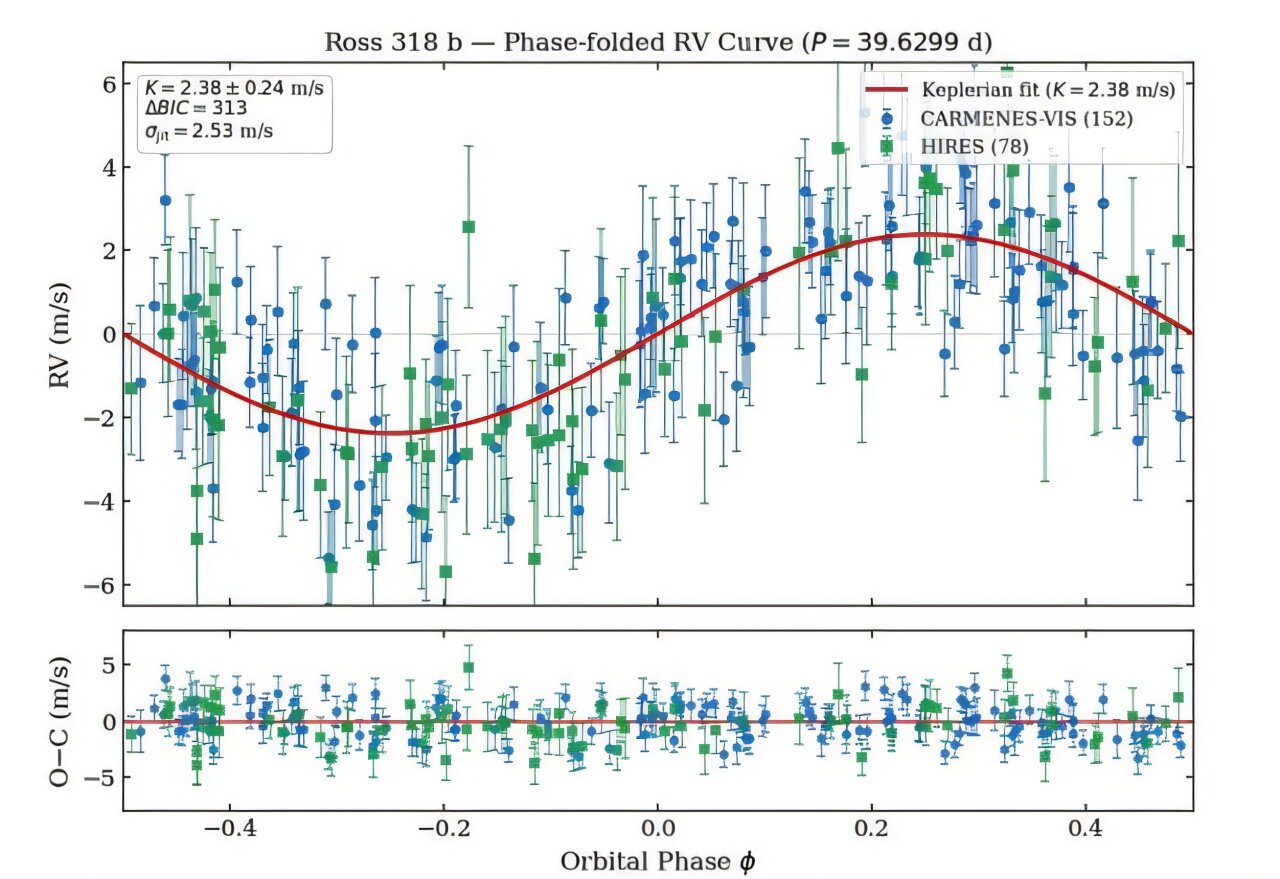
The astronomers also revealed several details about this exoplanet. Indeed, it has a mass of about 6.21 times that of Earth and a radius about 1.74 times that of our planet. In addition, by studying its mass, they believe that this exoplanet has a substantial atmosphere and lies in the star’s conservative habitable zone.
In other words, this new world could be an important target for future studies. This would allow astronomers to better understand exoplanets, but also to conduct further studies to find signs of life elsewhere in the universe.
Source(s)
Image source: NASA Hubble Space Telescope - Unsplash
 Add as a preferred source on Google


