




Reddit in shock: Researchers keep human brains alive
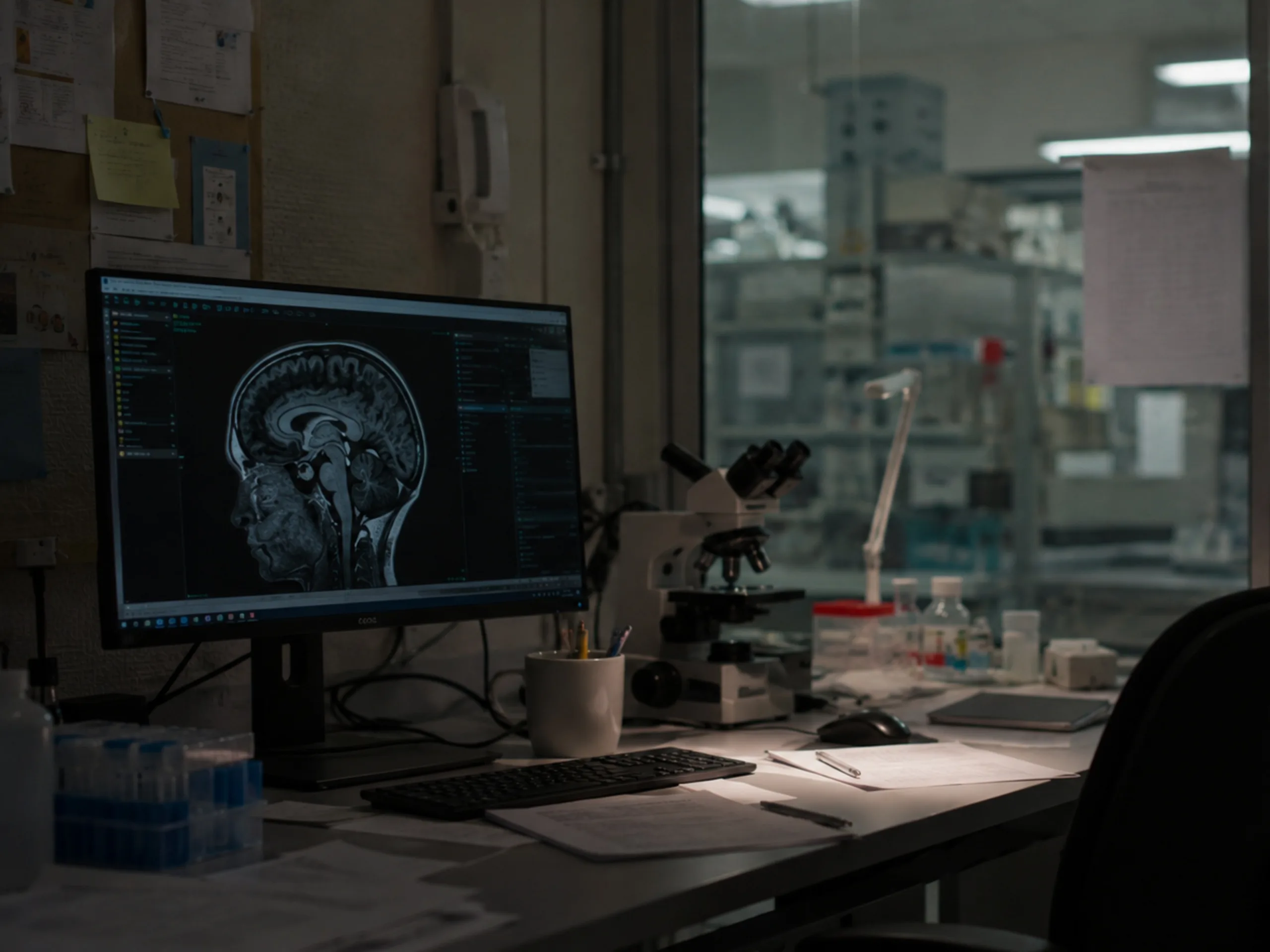
An article from Science.org is currently causing a major outcry in the Reddit community. The report focuses on the US biotech company Bexorg, which keeps the brains of deceased human donors partially functional using artificial support systems. The goal is to test drugs for diseases such as Alzheimer’s, Parkinson’s and ALS under more realistic conditions. While the researchers see this as a potential medical breakthrough, many observers are shocked and describe the procedure as a dystopian science-fiction scenario.
Bexorg’s BrainEx platform keeps the brains alive. Special fluids take over the role of blood by supplying oxygen, removing waste products and keeping important metabolic processes active. Artificial lung and kidney functions are also used. Researchers can then test different drugs and measure their effects directly in human brain tissue. According to the company, the method offers major advantages over animal testing or conventional cell cultures: human brains contain real disease histories, genetic characteristics, decades of environmental influences and traces of previous drug treatments. This is intended to allow new drug candidates to be studied much more precisely.
Critics fear rudimentary perception
At the same time, the procedure raises major ethical questions. Critics fear that the brains are neither fully dead nor truly alive – and that even rudimentary forms of consciousness or perception could remain. Bexorg emphasizes that coordinated electrical brain activity is largely absent, which theoretically argues against consciousness or pain perception. In addition, anesthetics such as Propofol are intended to further reduce the risk of activity.
On Reddit, many users describe the project as dystopian or compare it to science-fiction scenarios such as RoboCop 2 or I Have No Mouth, and I Must Scream. Another central point of criticism is that a for-profit company is working with donated body parts. Some users even write that they would now reconsider organ or whole-body donation. Although a few voices emphasize the potential medical benefits, most observers consider the project morally questionable.
 Add as a preferred source on Google


