




A next‑gen NASA AI processor may help spacecraft think for themselves in deep space
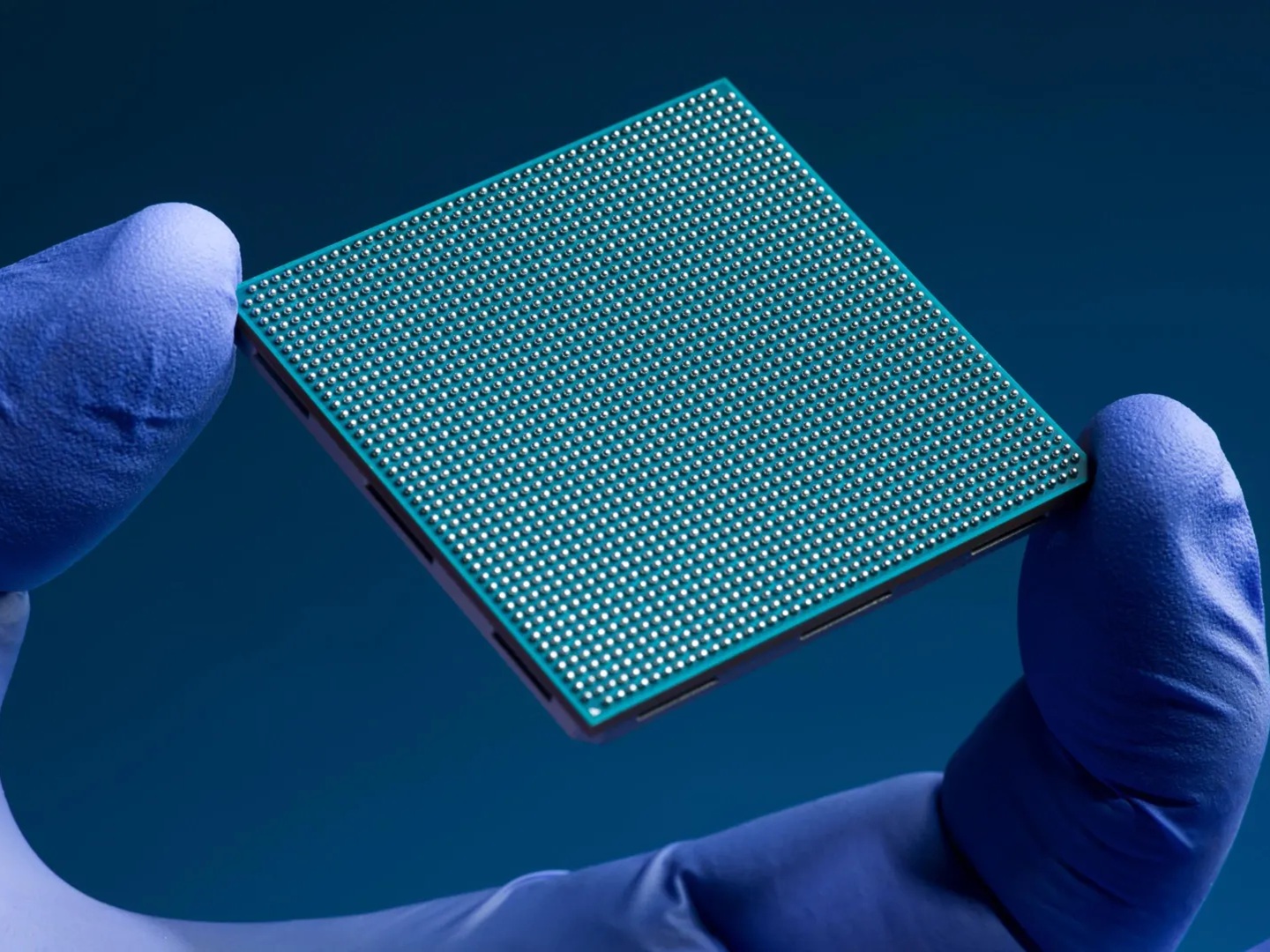
The new chip is code-named the High Performance Spaceflight Computing (HPSC) project. It is intended to replace older semiconductors used by current space-grade electronics, and to power advanced missions.
The chip is designed to withstand the extreme conditions of deep space. It will boost spacecraft autonomy by enabling faster scientific analysis through onboard AI. It has been described as “fault-tolerant, flexible, and extremely high-performing.”
NASA claims the chip can perform up to 100 times better than current hardware. The prototypes are passing through tests simulating the harsh radiation-intensive conditions in outer space. The chip must hold its own against intense electromagnetic radiation and extreme temperature changes. For instance, NASA is paying particular attention to how the HPSC chip will behave during challenging planetary landings.
The stress tests are being carried out at the NASA-funded JPL facility. The federal space agency states that early results have been positive, with the processor performance reportedly exceeding 500 times that of current space-focused chips.
The benefits of the chip include future spacecraft being able to handle unexpected hazards. They will also function better when communication with Earth-based control stations is delayed.
JPL is collaborating with Microchip Technology Inc., and sample chips have already been produced. The finished product will also potentially be used in planet rovers, satellites, and deep-space probes.
Source(s)
 Add as a preferred source on Google


