




SpaceX plans own GPUs to fuel growing AI push
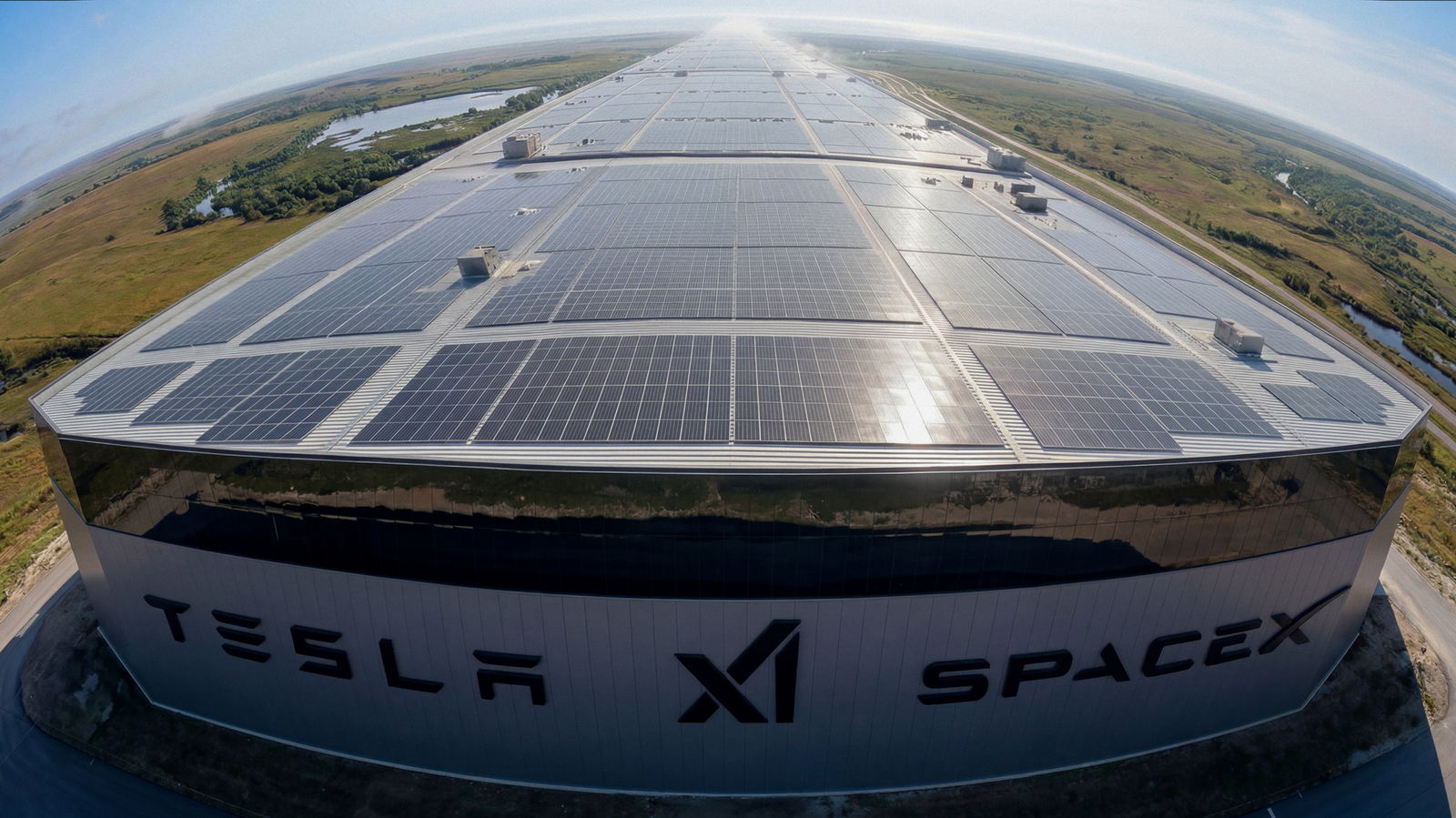
SpaceX is reportedly looking to enter the GPU market — though not in the way PC gamers might hope. The company, led by Elon Musk, is considering the move as part of a broader push into AI infrastructure, as it gears up for a massive stock market debut.
The clue comes from SpaceX’s pre-IPO S-1 filing, where “manufacturing our own GPUs” is listed among its anticipated capital-intensive initiatives. While the term “GPU” often brings gaming hardware to mind, in this case it almost certainly refers to AI-focused accelerators — closer in spirit to the custom chips used by Google and Amazon than anything you’d put into a desktop PC.
SpaceX’s potential move into chip design aligns with its growing involvement in AI. The company is part of the ambitious Terafab project, a planned chip manufacturing hub in Texas that aims to produce large volumes of advanced chips for AI training and inference.
Intel among key partners
Terafab is a joint effort between SpaceX’s xAI unit and Tesla, with Intel playing a central role. Intel is expected to handle the heavy lifting — designing, fabricating, and packaging chips at scale — with a long-term goal of reaching 1 TW of compute output per year.
According to recent statements from Intel CEO Lip-Bu Tan and Musk, the facility is likely to rely on Intel’s upcoming Intel 14A process node. It is still in development, but should be ready by the time Terafab ramps up production.
There are still plenty of open questions. It remains unclear who would manufacture these custom GPUs. Intel seems like a natural partner, but nothing has been confirmed. Timing is another challenge: the semiconductor industry is already under heavy pressure, with leading foundries like TSMC running at full capacity, largely due to strong demand for AI chips from companies such as Nvidia.
SpaceX itself acknowledges potential risks in its filing. The company notes that it lacks long-term agreements with many of its chip suppliers and expects to continue relying on third-party hardware for a significant portion of its compute needs. It also cautions that there is no guarantee Terafab will meet its goals on schedule — or at all.
All of this comes as SpaceX prepares for what could be one of the biggest IPOs ever, reportedly targeting a valuation of around $1.75 trillion. Its push into AI hardware could make the story even more compelling for investors — but it also adds risk, especially given the scale and complexity of these plans.
In short, SpaceX appears to be aiming well beyond rockets. If these GPU plans materialize, the company could become yet another tech heavyweight designing its own silicon to power the AI race.
 Add as a preferred source on Google


