




Nvidia Rubin AI platform lowers token costs tenfold compared to Blackwell as Elon Musk praises it as 'rocket engine for AI'
 CES 2026
Nvidia announced its next-gen Rubin AI computational architecture that will finally match China's AI strategy for running AI inference at much lower costs than the current Blackwell edition.
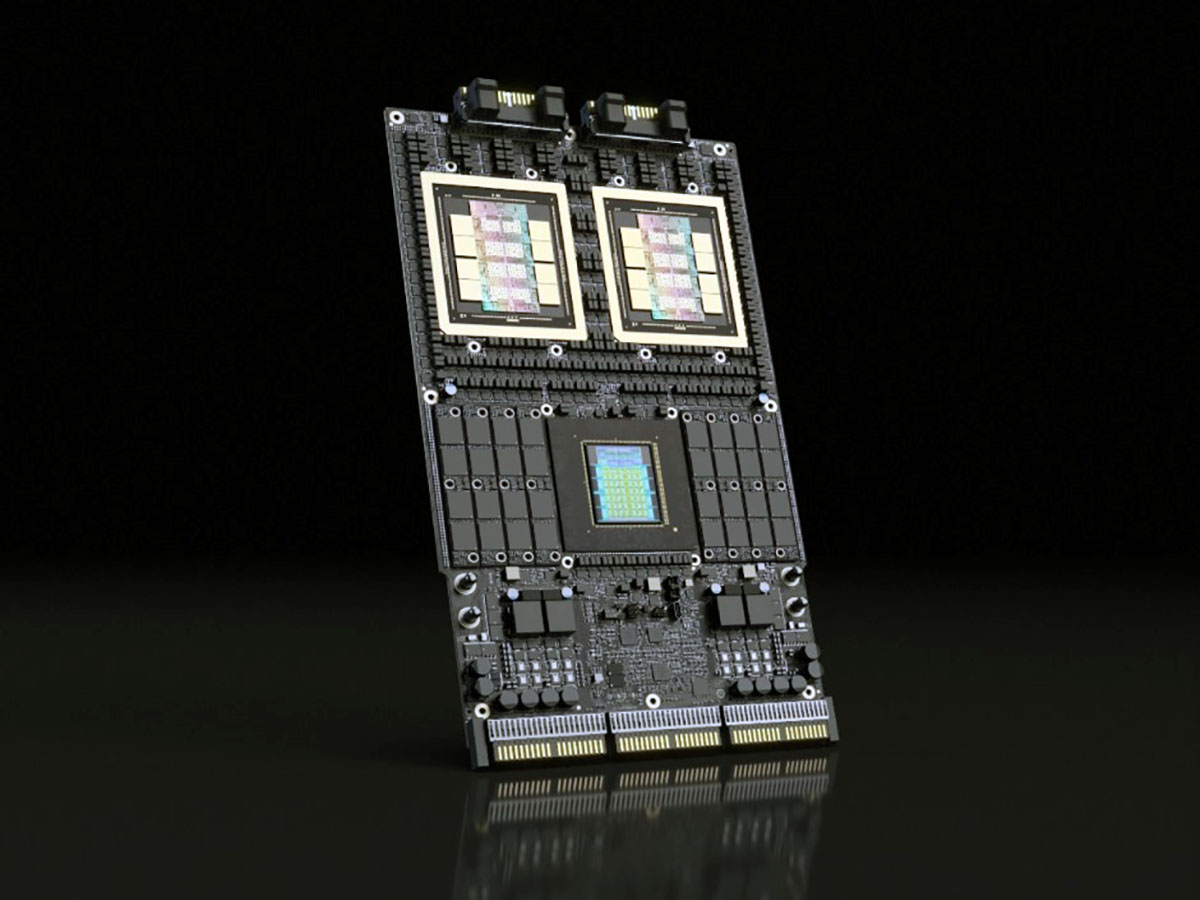
Just as the Nvidia Rubin AI rumors suggested, the platform is built around six processing subsystems working together: the Vera CPU, the new Nvidia Rubin GPU, the third-gen NVLink 6 Switch, the ConnectX-9 SuperNIC, the BlueField-4 DPU, and the Spectrum-6 Ethernet Switch. The chips are built on advanced TSMC foundry nodes and introduce interface optimizations aimed at a drastic reduction of token costs and training duration.
In fact, Nvidia's "codesign" across the six new chips enables model training with a quarter of the GPUs needed in the current Nvidia Blackwell platform and slashes costs per token ten times. A tenfold decrease in token costs is what Elon Musk is promising for Tesla's next-gen AI5 computer, too; it's just that it won't be entering mass production before next year. Elon Musk praised Nvidia Rubin as the "rocket engine for AI" that will enable deployment of edge models at scale.
China also prides itself on the low AI token price that it achieves by open-sourcing models like DeepSeek and chaining a lot of midrange AI GPUs like the Huawei 910C together, so the Nvidia Rubin architecture finally does something to address not only performance but also the costs of running AI models.
Perhaps the most interesting part of the Rubin platform is the new Nvidia Vera CPU, "engineered for data movement and agentic reasoning across accelerated systems, with full confidential computing support." It can either be paired with an Nvidia GPU or work as a standalone processor running "analytics, cloud, orchestration, storage, and high-performance computing (HPC) workloads" with full Arm compatibility.
The Vera CPU specs include 88 custom cores and 1.2 TB/s of LPDDR5X memory bandwidth and feature a very frugal power draw. The NVLink-C2C connectivity interface integration runs synchronized CPU–GPU memory access as part of the optimization features that make the Rubin platform an order of magnitude more efficient than its Blackwell-based predecessor.
Get the Nvidia DGX Spark personal AI supercomputer on Amazon
Source(s)
 Add as a preferred source on Google


