




New moons have been discovered orbiting Jupiter and Saturn
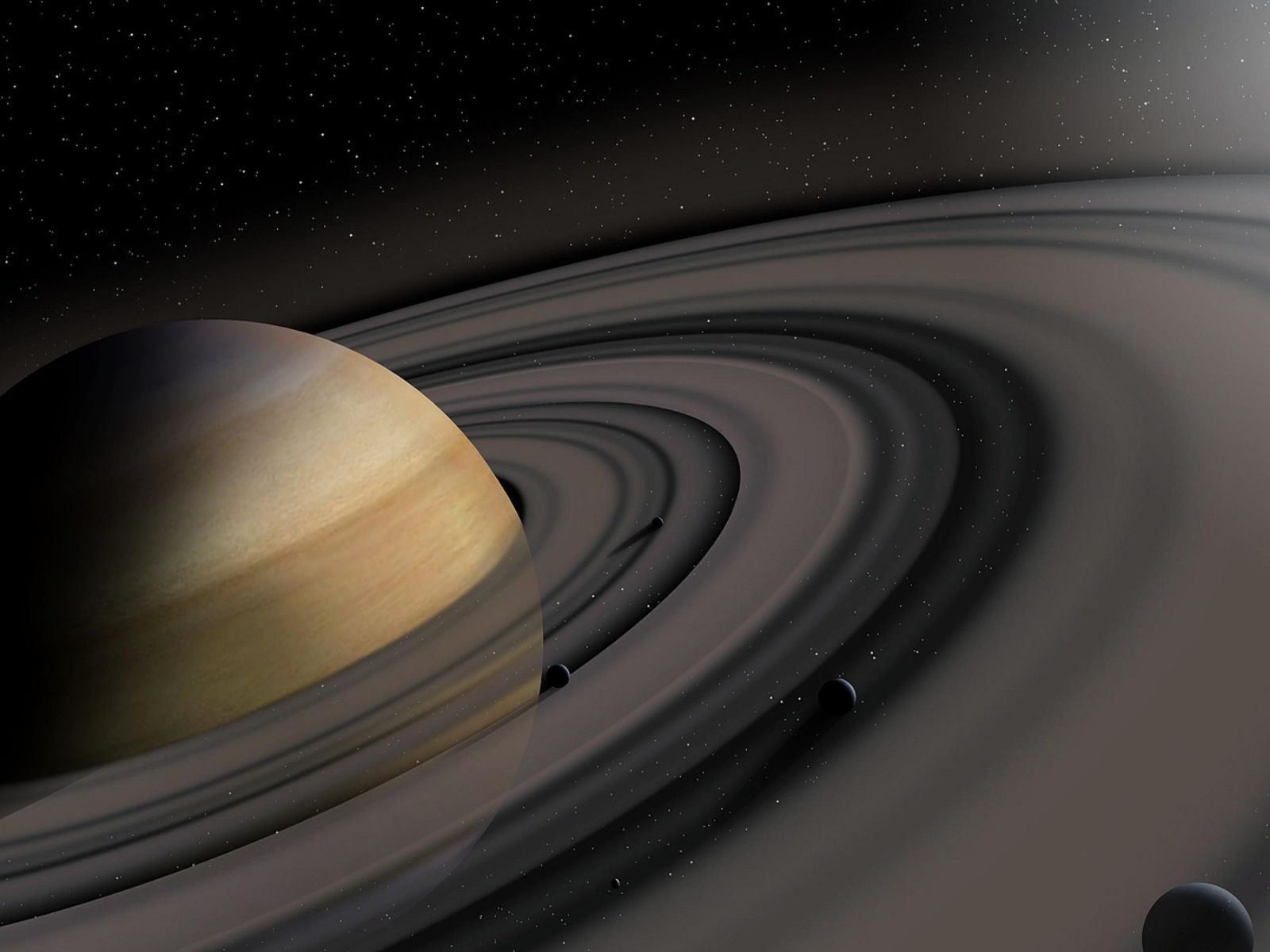
Jupiter and Saturn are the two largest planets in our solar system and also have numerous moons in orbit around them. But by observing these gas giants, astronomers have recently discovered new moons. Indeed, four new natural satellites were found around Jupiter and eleven around Saturn.
These discoveries were announced by the Minor Planet Center. However, these celestial objects are not particularly large, as they have an average diameter of about 3 km. In addition, other characteristics have been revealed, such as their very wide orbits and their extremely low magnitudes, between 25 and 27.
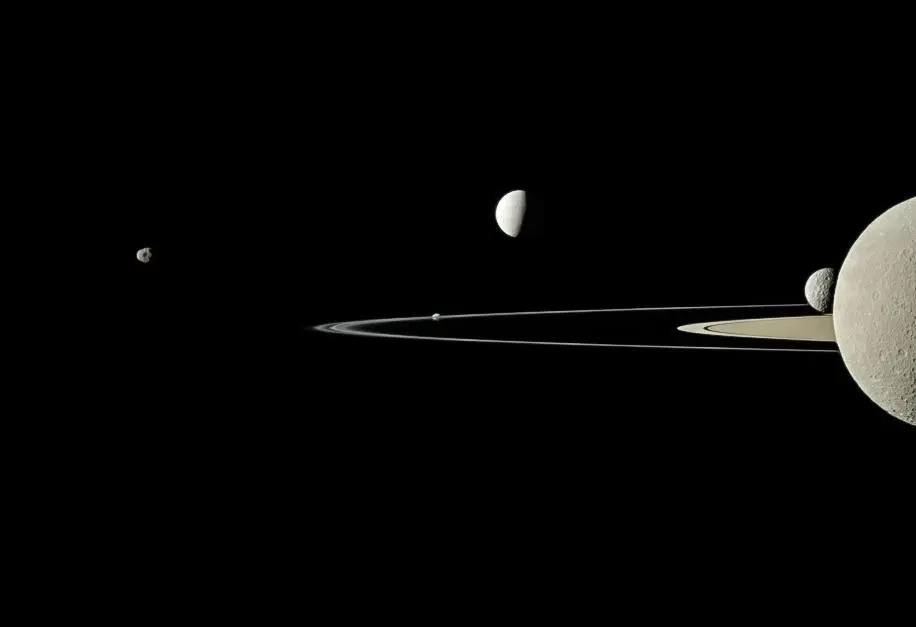
As a result, it is impossible to see these new moons with an amateur telescope. And to discover them, astronomers Scott Sheppard of the Carnegie Institution for Science, David Tholen of the University of Hawaii, and Edward Ashton used the Magellan, Canada-France-Hawaii (CFHT), and Subaru telescopes, which are powerful devices.
Thus, as of today, Jupiter has 101 moons and Saturn has 285. But these numbers could change in the coming years. Indeed, several spacecraft are currently heading toward Jupiter and they could make further discoveries. It should also be noted that moons can form quickly, especially in a chaotic environment where collisions between celestial objects are frequent. Subsequently, under the influence of gravity, these fragments can merge and enter orbit around the planet.
 Add as a preferred source on Google


