




Webb reveals unique details about the W51 star factory
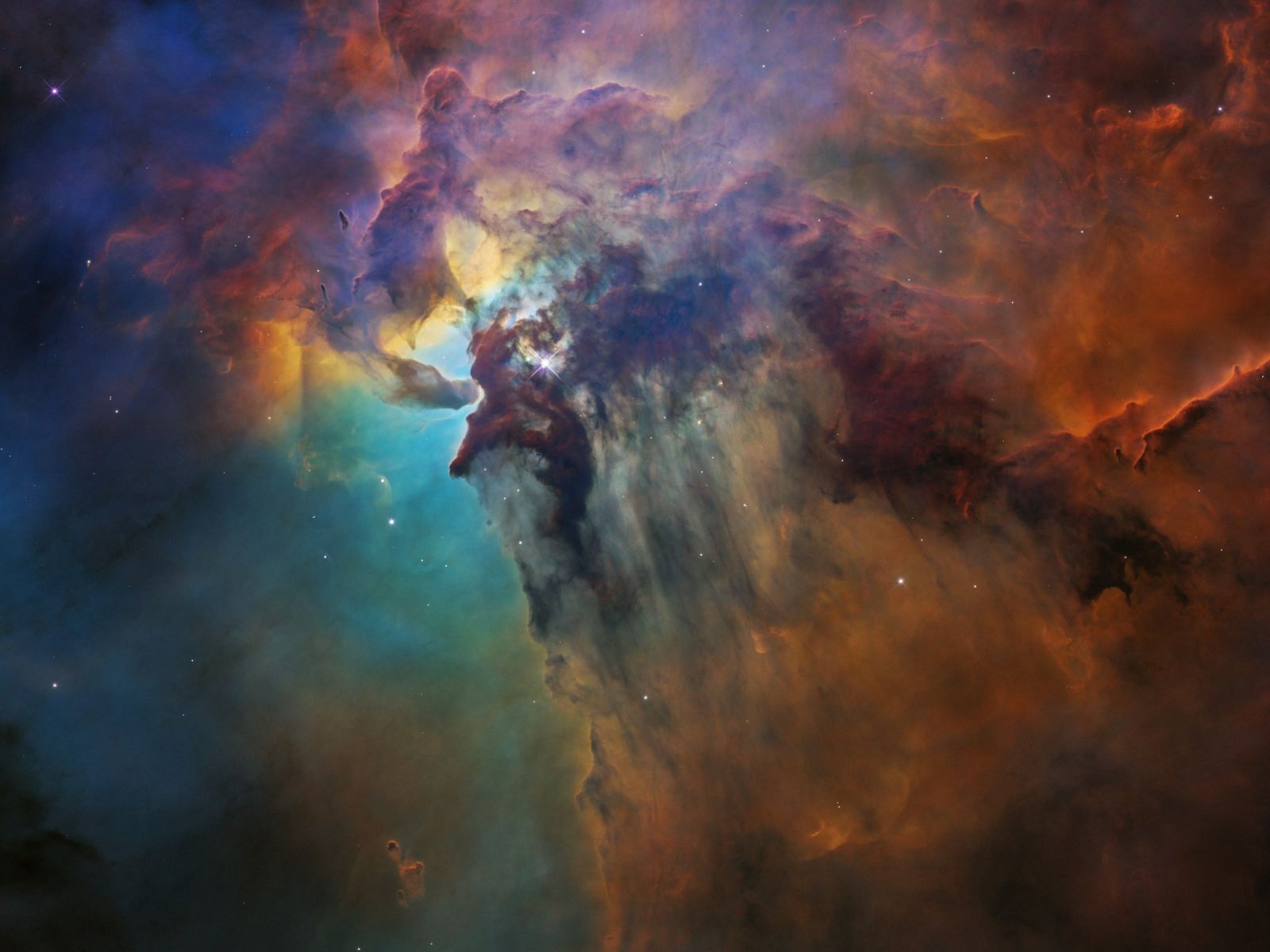
For many years, astronomers have made several discoveries in the universe, such as this exoplanet orbiting a red dwarf. But with the arrival of new devices, it is now possible to obtain new information about space structures previously observed.
This is what a team of astronomers from Florida has decided to do with the help of the James Webb Space Telescope. Indeed, they photographed the W51 star factory, also named Westerhout 51, which is one of the largest structures of its kind in our galaxy.
It was by using the infrared technology of this telescope that astronomers were able to see inside W51, and they discovered that its stars formed about 1 million years ago. In addition, they also observed very young stars that were previously invisible.
Indeed, the dust surrounding this region of the universe blocks the light emitted by these celestial objects, making them invisible to older telescopes, as Adam Ginsburg, a professor at the University of Florida, explains:
“With optical and ground-based infrared telescopes, we can’t see through the dust to see the young stars. Now we can.”
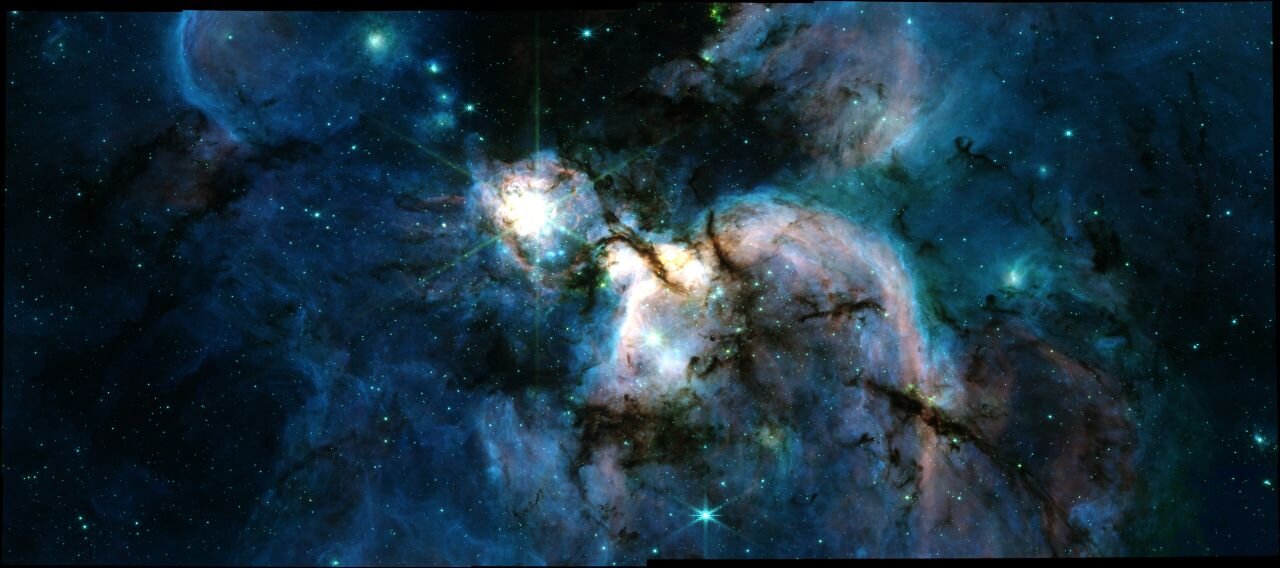
But that's not all, because according to astronomers, these new images also reveal massive shock waves caused by protostellar jets, as well as huge gas bubbles. Thus, further studies could help astronomers better understand star formation and its stages. However, although this image reveals unique details, many other stars remain invisible and must be studied with radio observations.
Source(s)
 Add as a preferred source on Google


