




Artemis II proceeds with Moon flight despite unexpected alarm
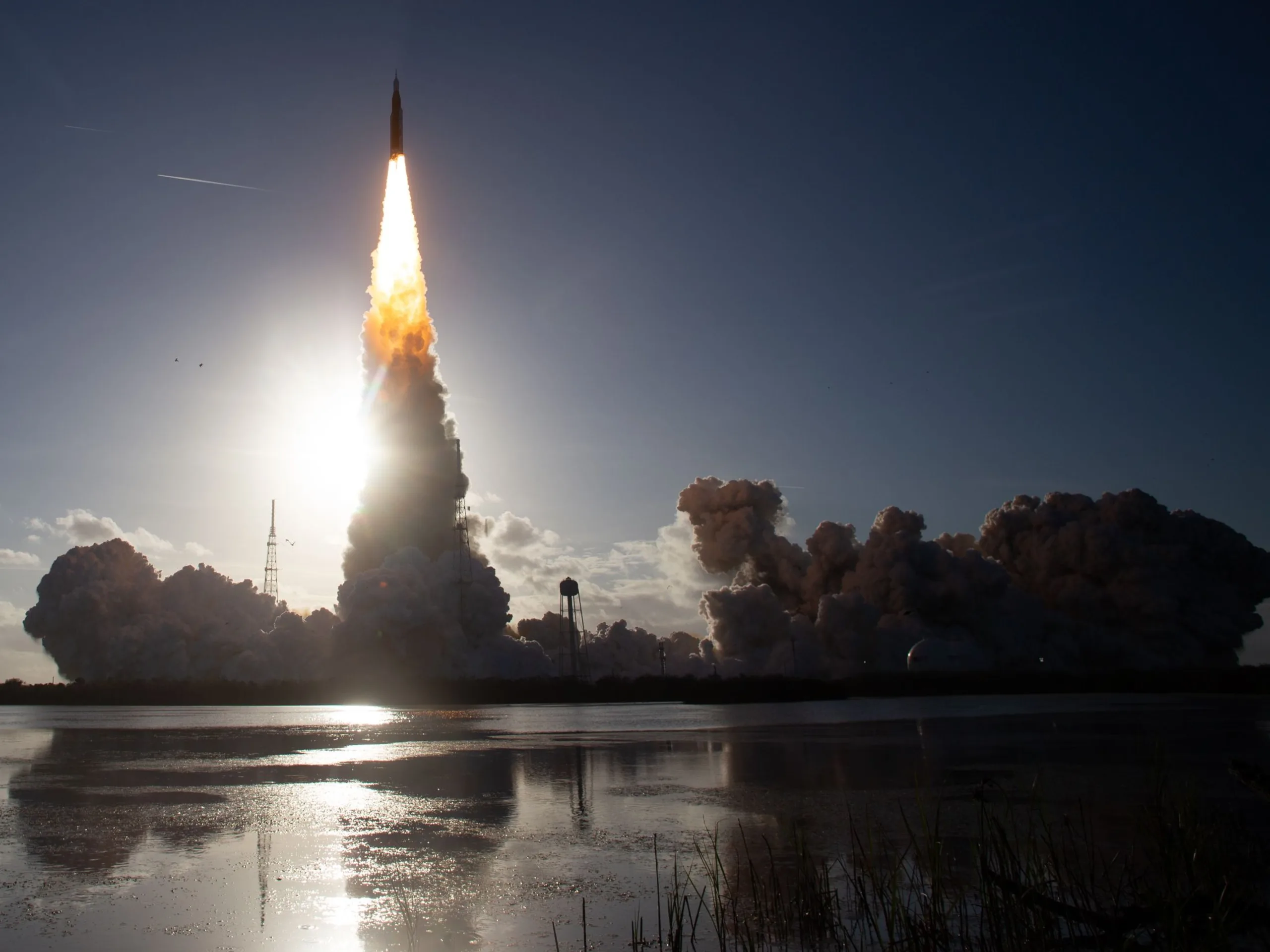
After more than five decades, humanity is once again on its way to its silvery neighbour, the Moon. With a mighty roar, the Artemis II mission blasted off from the Kennedy Space Center in Florida, carrying four pioneers into the vastness of space. On board the Orion capsule are Commander Reid Wiseman, Pilot Victor Glover and Mission Specialists Christina Koch and Jeremy Hansen.
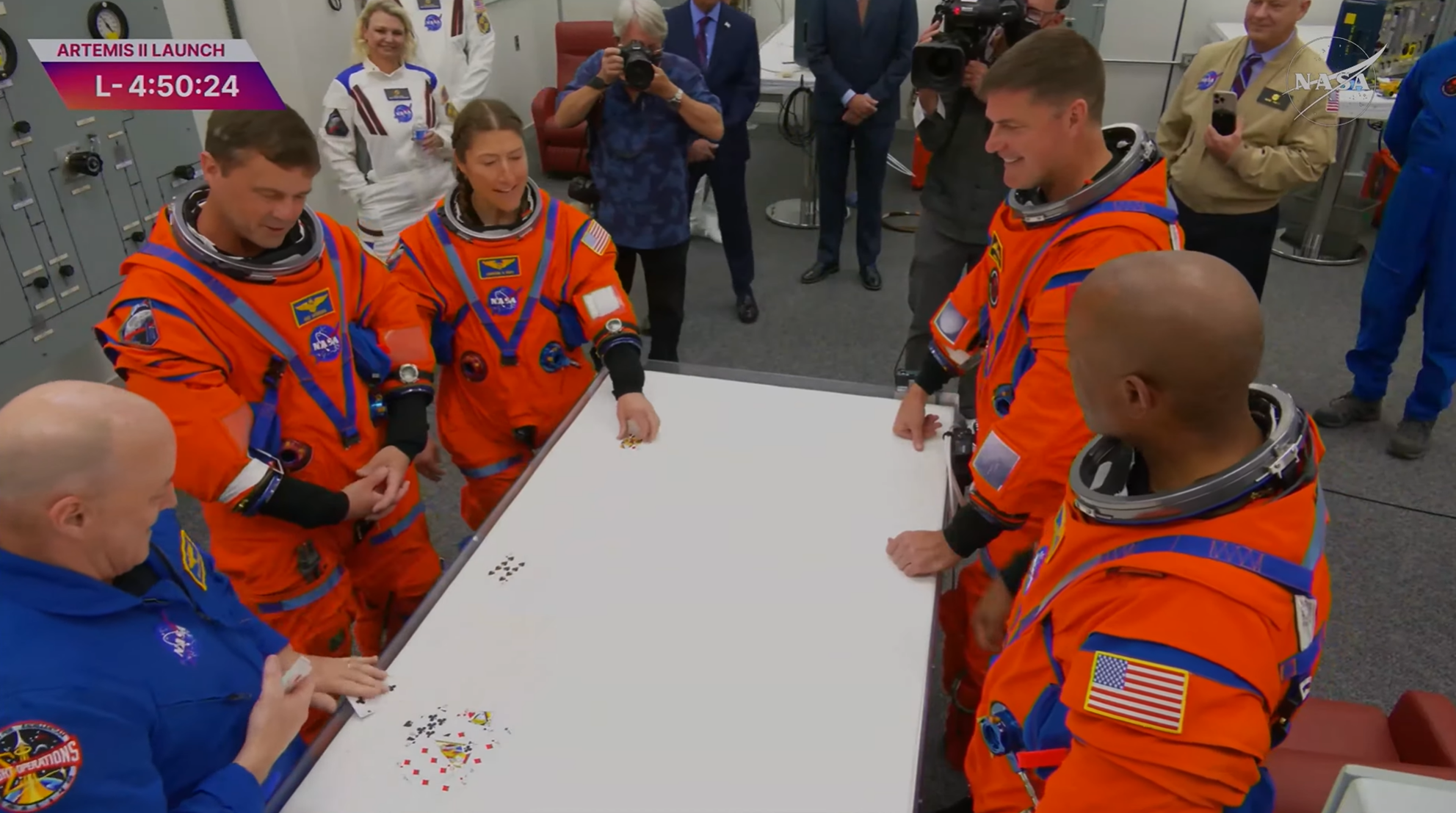
However, before heading into the sky, the crew performed a curious ritual: in accordance with a long-standing tradition, the astronauts played cards until the commander lost. The aim of this game is to "exhaust" the commander's bad luck, leaving only good fortune for the mission itself.
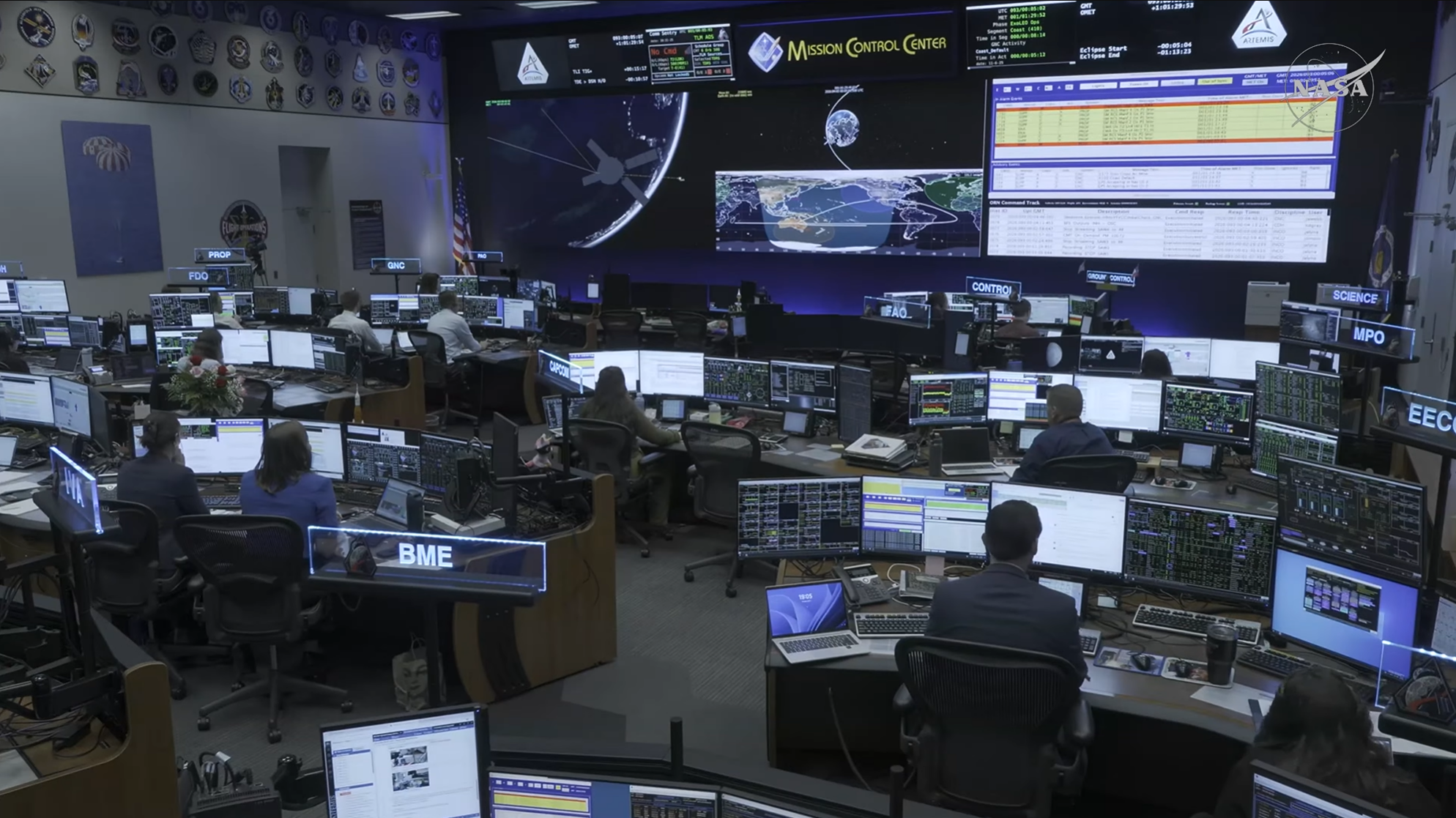
In Houston and in Earth's orbit, many held their breath when the Artemis II crew were confronted with an unexpected warning message shortly before their most critical manoeuvre. Just moments before the engine was due to be ignited for the course change, the onboard computer sounded an alarm indicating a potential leak in the cabin.
In a spacecraft operating in the hostile environment of deep space, such a report is potentially critical. However, the astronauts and Mission Control in Houston reacted with professional calm. After quickly checking all system data, they found that all cabin pressures and temperatures were normal. As there was no actual danger, the decision was made to continue the lunar flight as planned.
Shortly thereafter, the translunar injection was successfully completed. During this manoeuvre, the spacecraft accelerates out of its Earth orbit to gain enough speed to overcome Earth's gravity and swing onto a trajectory towards the Moon. The necessary thrust was provided by the European Space Agency's (ESA) Service Module. The engine fired for a full five minutes, delivering 26.7 kN of thrust — enough to accelerate an SUV from 0 to 100 km/h in just 2.7 seconds.
The four astronauts are now in the quiet phase of their journey, heading towards the Moon, and are expected to set a new record for the greatest distance travelled from Earth. The entire mission is scheduled to last ten days, and the world is eagerly awaiting the crew's safe arrival at their destination and return to Earth.
NASA is providing a live stream of the entire journey via YouTube. Occasionally, the mission's CAPCOM, Jenni Gibbons, also checks in. She is the primary communicator between the astronauts and the ground station, and was designated as the backup for Canadian astronaut Jeremy Hansen. Should communication fail, she will represent the crew's interests on Earth.
 Add as a preferred source on Google


