




Vera C. Rubin Observatory has discovered over 11,000 asteroids in our solar system
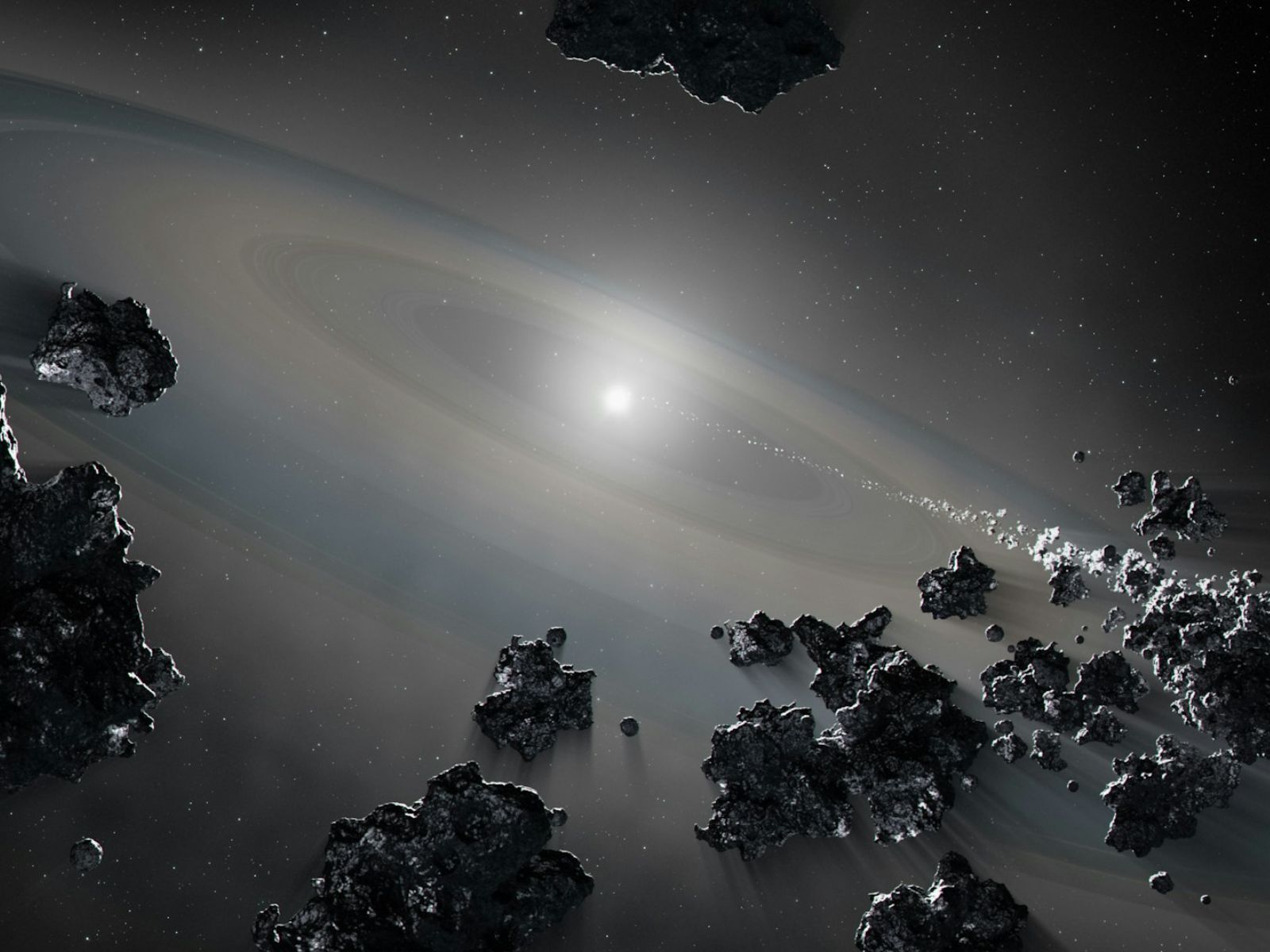
Located in Chile and launched in June 2025, the Vera C. Rubin Observatory is a device capable of detecting numerous celestial objects in the universe. And thanks to preliminary data, astronomers have been able to identify more than 11,000 new asteroids in our solar system. And that’s not all, as over a million observations have been made, notably on more than 80,000 asteroids that are already known but still mysterious.
Among the many objects discovered, 33 are near-Earth objects, and the largest has a diameter of 500 meters. But there’s no need to worry, as they pose no threat to Earth. However, other asteroids have been discovered, such as 380 trans-Neptunian objects, which are icy bodies orbiting beyond Neptune.
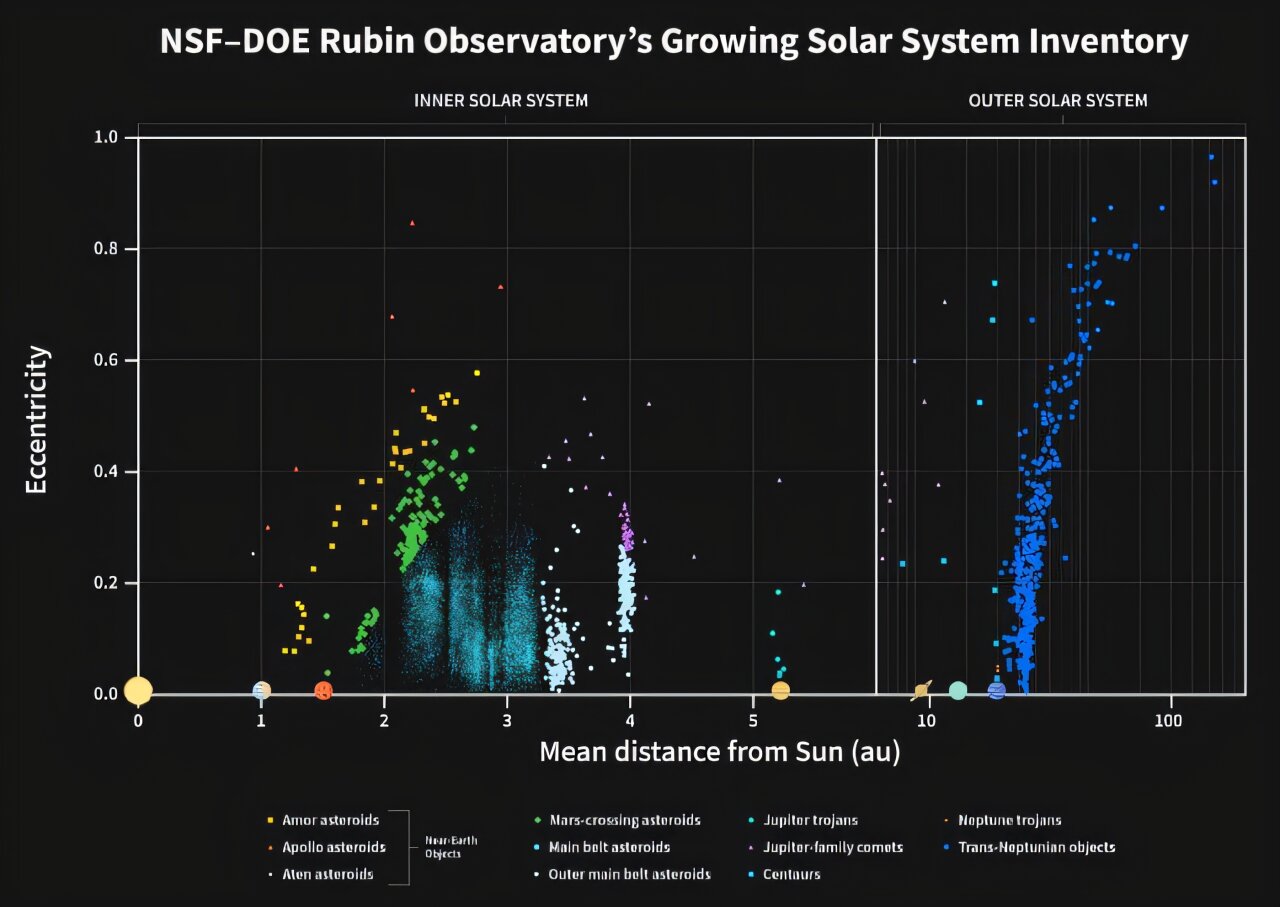
Thus, the discovery of these 11,000 asteroids is an excellent start for the Vera C. Rubin Observatory, as Ari Heinze of the University of Washington explains:
"We built it, and it works. Even with just early, engineering-quality data, Rubin discovered 11,000 asteroids and measured more precise orbits for tens of thousands more. It seems pretty clear this observatory will revolutionize our knowledge of the asteroid belt.”
In addition, according to estimates, this observatory could detect more than 90,000 new asteroids in the coming years. This will lead to a better understanding of our solar system, as well as the universe. Not to mention that the discovery of new asteroids also allows scientists to study and analyze potential threats to Earth, as was the case with 2024 YR4.
Source(s)
Image source: NASA Hubble Space Telescope - Unsplash / NSF–DOE Vera C. Rubin Observatory / NOIRLab / SLAC / AURA. Acknowledgement: PI: Mario Juric (University of Washington)
 Add as a preferred source on Google


